Selection points and precautions of glue viscometer
A glue viscometer is an instrument for measuring the viscosity of glue, usually used for quality control and research in glue manufacturing and industrial applications. Choosing the right glue viscometer can help ensure product quality and process stability. The following are the key points and precautions for choosing a glue viscometer:
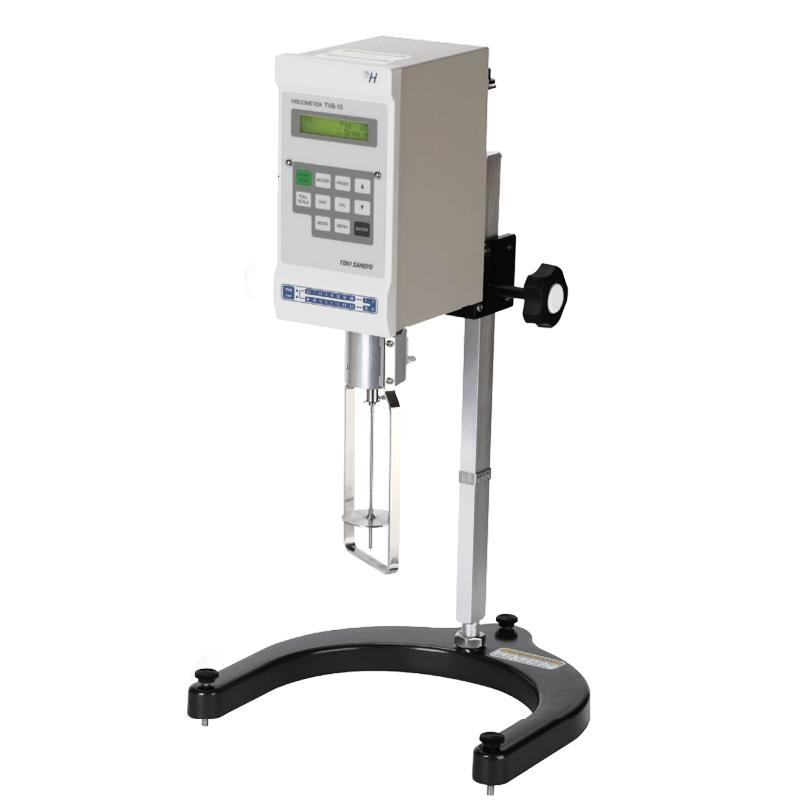
Select points:
Measuring range: When choosing a glue viscometer, make sure it can measure the glue viscosity range you need. In general, the wider the range of the viscometer, the wider the range of use.
Accuracy: The accuracy of a viscometer is very important because even small errors can adversely affect the production process and product quality. In general, the higher the precision, the more accurate the measured data.
Measurement time: The measurement time refers to the time required for the measurement. Generally, the shorter the measurement time, the higher the productivity, but at the same time, the accuracy of the measurement needs to be considered.
Temperature control: Temperature has a great influence on glue viscosity, so it is very important to consider whether the glue viscometer can perform temperature control and temperature compensation.
Ease of Operation: Choosing a glue viscometer that is easy to operate can help improve productivity and accuracy.
Precautions
The appropriate viscometer should be selected according to the specific glue viscosity. Different glue viscometers have different viscosity measurement ranges and accuracy.
To understand the working principle and usage of the viscometer, follow the manufacturer's instructions to avoid errors caused by incorrect operation.
Pay attention to the maintenance and maintenance of the glue viscometer, and keep the instrument in good working condition to ensure measurement accuracy and reliability.
When choosing a glue viscometer, factors such as the use environment, frequency of use, accuracy requirements, and measurement range should be considered to choose a glue viscometer that suits your needs.


- 1Viscosity of polypropylene (PP) amide measured by NDJ Viscometer
- 2Which Viscometer to Choose for Licorice Extract Viscosity Testing? How to Test?
- 3Application of Rotational Viscometer in juice viscosity test
- 4Working Principle, Classification and Application of Capillary Viscometer
- 5Principle, Characteristics and Application of Dial Viscometer
- 6Basic Principle and Application of Ceramic Viscometer
- 7Principle, Characteristics and Application of QND Viscometer
- 8Determination of epoxy resin viscosity by Rotational Viscometer
- 9Rotational viscometer selection suggestions


