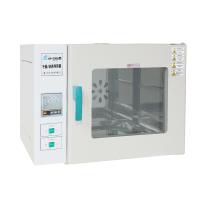
Selection method of laboratory Incubator
A laboratory Incubator is a device commonly used in laboratories to maintain and control a specific temperature, humidity and gas environment to promote the growth and reproduction of cells and microorganisms. The following are the key points and precautions for the selection of laboratory Incubators:
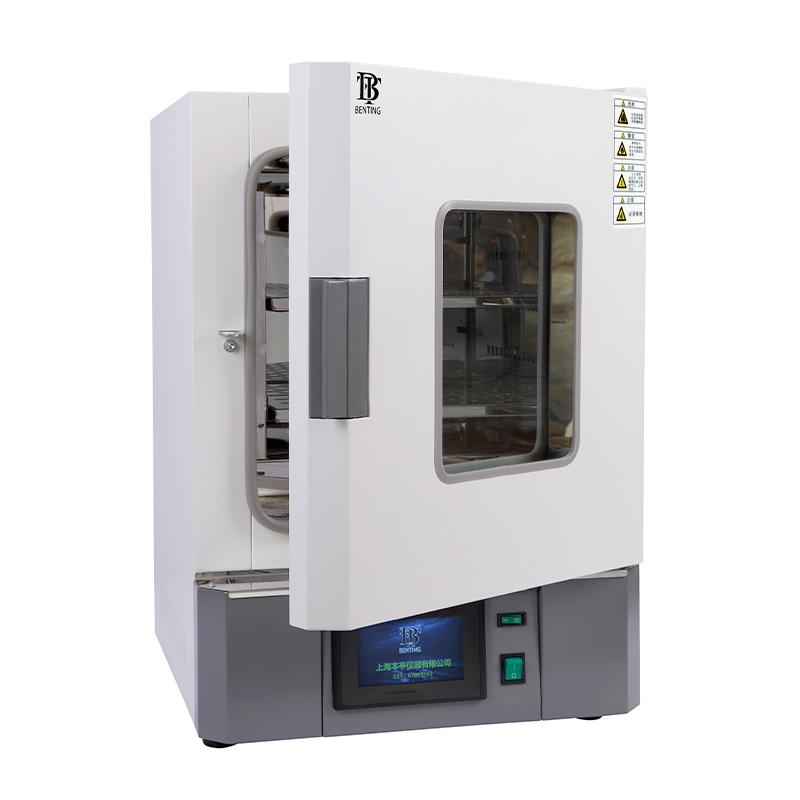
select points
Temperature control range: The laboratory Incubator should have a sufficiently wide temperature control range to accommodate different types of biological cultures.
Temperature control accuracy: The temperature control accuracy of the laboratory Incubator should be high enough, usually 0.1°C or better.
Humidity Control: A laboratory Incubator should have adjustable humidity control to meet the needs of a particular experiment.
CO2 control: For the cultivation of cells or microorganisms that require a specific CO2 concentration, the laboratory Incubator needs to have a CO2 control function.
Space size: When choosing a laboratory Incubator, it is necessary to choose the appropriate size according to the experimental needs and the size of the laboratory space.
Safety function: The laboratory Incubator should have safety functions, such as overheat protection, overload protection, etc., to ensure the safety of the laboratory.
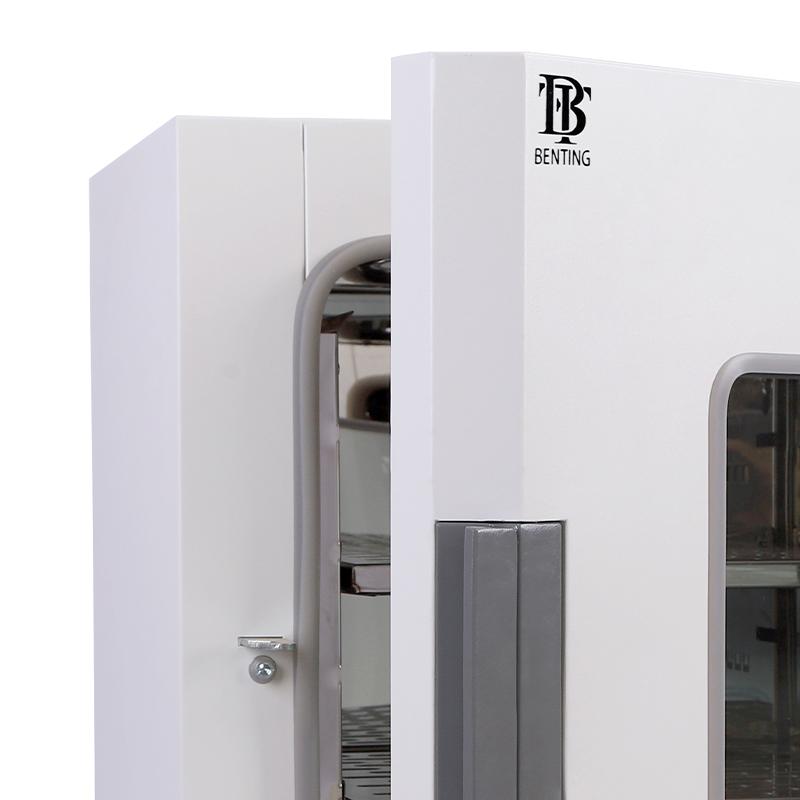
Precautions
Maintenance and Maintenance: Laboratory Incubators require regular maintenance and maintenance to ensure their proper functioning and longevity.
Cleaning and Disinfection: Laboratory Incubators require regular cleaning and disinfection to prevent contamination and cross-infection.
Operating specifications: When using a laboratory Incubator, it is necessary to abide by the operating specifications and laboratory safety specifications to ensure laboratory safety.
After-sales service: When selecting a laboratory Incubator, after-sales service and support need to be considered to ensure the reliability and timely maintenance of the equipment.
- 1Principles and selection methods of various laboratory Incubators
- 2Principle and Application of Constant Temperature and Humidity Chamber Biochemical Incubator
- 3Introduction to the principle, characteristics and application scenarios of shock Incubator
- 4What are the FAQs for laboratory Incubators? How to solve them?
- 5Constant Temperature and Humidity Incubator FAQ and Its Solution
- 6Constant Temperature and Humidity Incubator FAQ and its solutions
- 7How to use and maintain the light Incubator correctly? (specific operation)
- 8Mold Incubator specific operation method steps
- 9Some introduction to light Incubators