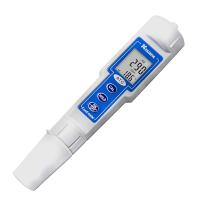
How to choose a microcomputer conductivity meter?
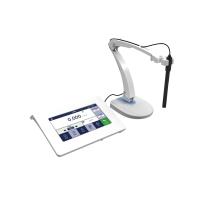
The microcomputer conductivity meter is an instrument used to test the conductivity of liquids, which can be widely used in water quality testing, environmental monitoring, chemistry, medicine and other fields. The following are the selection points and precautions of the microcomputer conductivity meter:
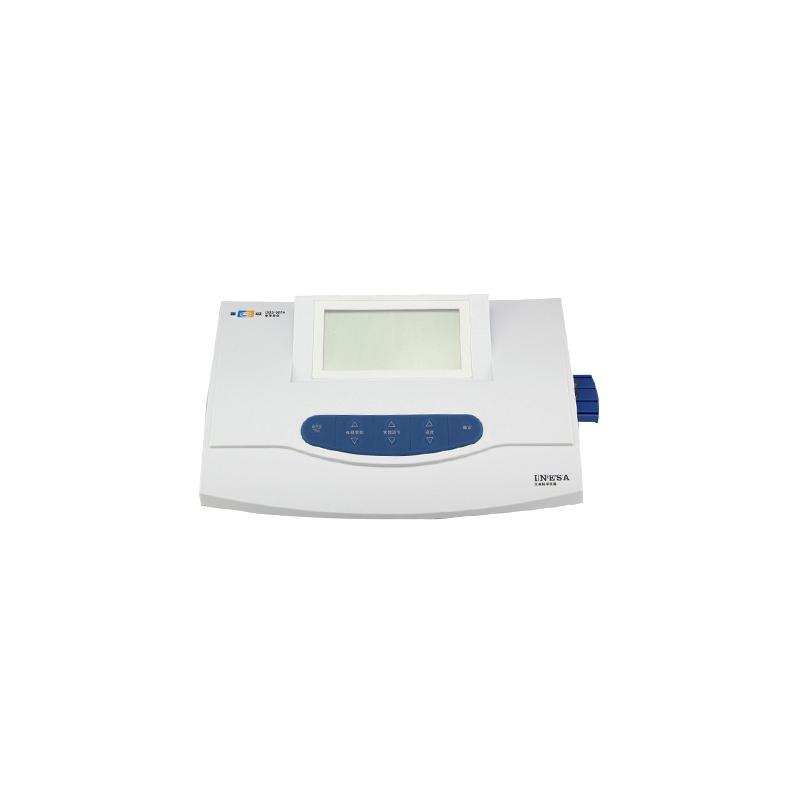
select points
Measuring range: choose the appropriate measuring range according to actual needs. Common measurement ranges are 0-20mS/cm and 0-200mS/cm.
Measurement accuracy: Accuracy is an important indicator to evaluate the quality of an instrument. Generally speaking, the accuracy of a microcomputer conductivity meter should reach 0.5% or higher.
Temperature compensation function: temperature has a great influence on the conductivity measurement results, so a good microcomputer conductivity meter should have temperature compensation function, which can automatically compensate according to temperature changes.
Automatic calibration function: The automatic calibration function can improve the accuracy and stability of the measurement. Generally speaking, it is better to choose a microcomputer conductivity meter with automatic calibration function.
Display and ease of operation: Choose a microcomputer conductivity meter with a large screen display and easy operation, which can improve the efficiency and accuracy of use.
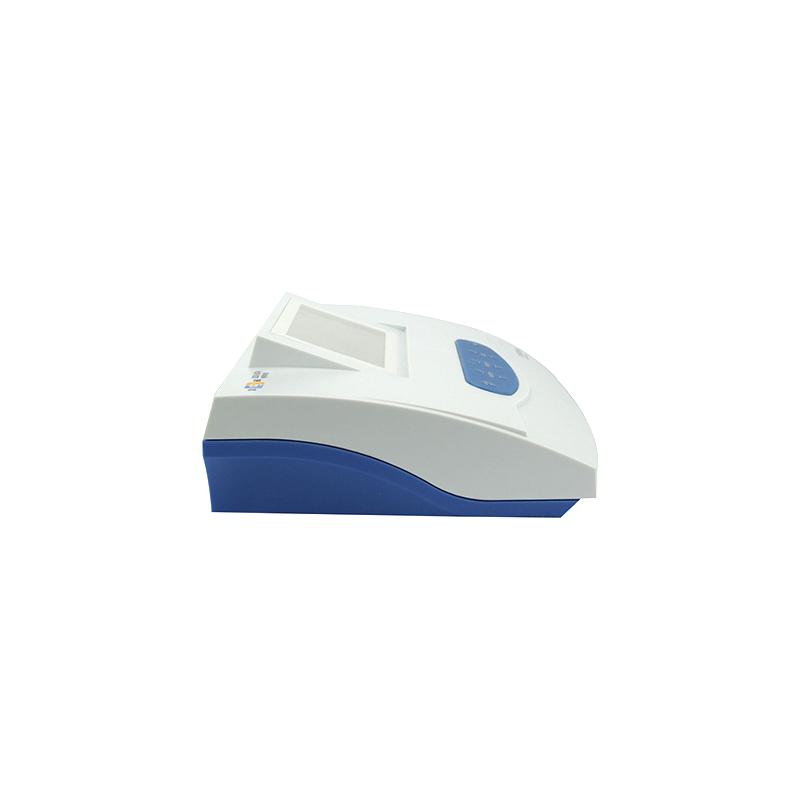
Precautions
Before measurement, the electrodes should be cleaned to avoid impurities affecting the measurement results.
Pay attention to the placement position and depth of the electrodes during measurement, so as not to affect the measurement results.
The time for the electrode to soak in the liquid should not be too long or too short. It is generally recommended that the electrode be soaked in the liquid for 30 seconds to 1 minute.
After measurement, the electrode should be cleaned and maintained in time to avoid corrosion and damage.
When not in use for a long time, the electrode should be stored in a protective solution to avoid damage.


- 1The Working Principle of Gel Conductivity Meter Has Been Detailed
- 2Detection Principle and Application Analysis of Conductivity Meter
- 3Principle of Conductivity Analyzer
- 4Several common electrode types for Conductivity Meters
- 5Differences between three STIP-scans: pH Meter, Conductivity Meter, and Dissolved Oxygen Meter
- 6Conductivity Meter and Ion Meter specific differences
- 7Common types and application differences of STIP-scan
- 8How to detect the conductivity of lithium battery coating slurry?
- 9How to choose a high-precision conductivity meter?