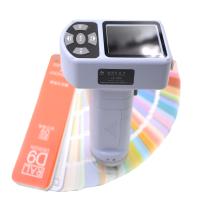
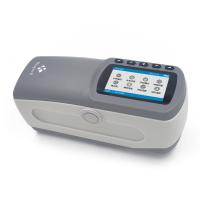
Several selection points about food Colorimeters
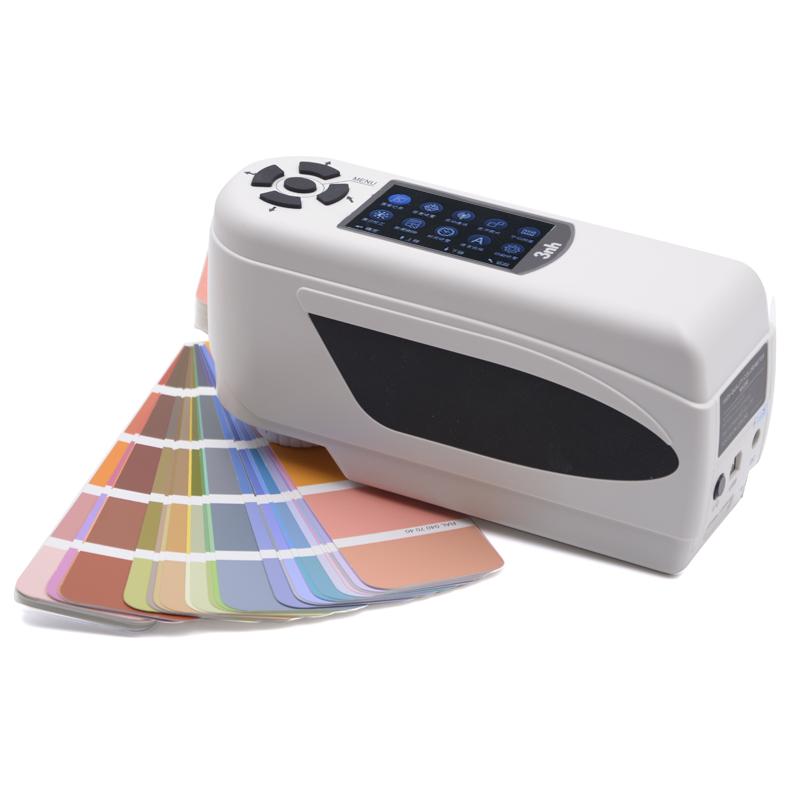
Food color measuring instrument is an instrument used to measure the color of food, widely used in food, beverage, tobacco, cosmetics and other industries. The following is a detailed introduction of the key points and precautions for the selection of food color measuring instruments:
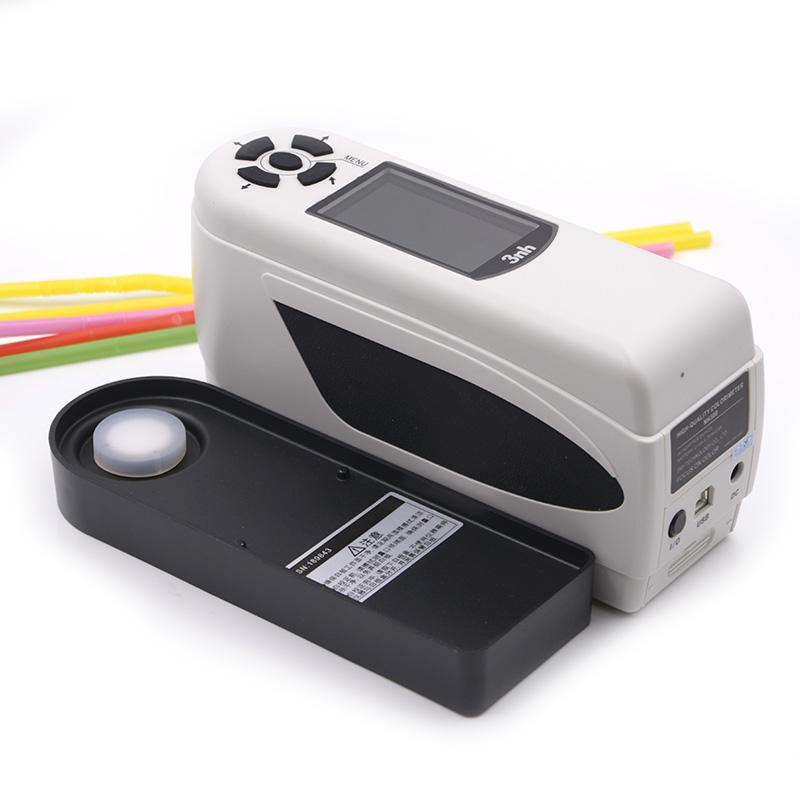
select points
1. Measuring range: When choosing a food color measuring instrument, it is necessary to consider whether its measuring range meets the range of the substance to be measured. Generally speaking, the measurement range of the Colorimeter should be in the range of 400-700nm.
2. Accuracy: Accuracy is one of the important factors in choosing a food color measuring instrument. In food color detection, the accuracy usually requires measurement when ΔE is less than 1, so it is necessary to select an instrument with high accuracy.
3. Light source: There are many types of light sources for food color measuring instruments, including incandescent lamps, fluorescent lamps and LEDs. Among them, the LED light source has high brightness and high color accuracy, and has better stability and lifespan.
4. Display screen: The quality of the display screen has a great influence on the accuracy and readability of the measurement results. Therefore, when choosing a food color measuring instrument, parameters such as brightness, contrast, and resolution of the display screen need to be considered.
5. Operability: The operation interface of the food color measuring instrument should be simple and easy to use, and at the same time have certain automation functions, such as automatic calibration, automatic data storage, etc.
Precautions
1. Maintenance: Food color measuring instruments need frequent maintenance, regular cleaning of the measuring head and inspection of the condition of the light source. At the same time, it is also necessary to ensure that the storage environment of the instrument is dry, dustproof, and shockproof, so as to ensure its long-term stability and accuracy.
2. Standard calibration: When using a food color measuring instrument, it is necessary to use a standard calibration plate for calibration to ensure the accuracy of the measurement results.
3. Sample processing: When measuring food color, the sample needs to be properly processed to ensure the consistency of its optical properties. For example, for samples to measure the color of fruit juice, it is necessary to stir the sample first to ensure its uniform color.
4. Operating skills: The use of food color measuring instruments requires certain operating skills, such as placing samples correctly, selecting the correct measurement mode and parameters, etc. Before using the food color measuring instrument, you need to be familiar with the instructions
- 1What is the difference between tristimulus Colorimeter and Colorimeter?
- 2How does Colorimeter detect particulate matter (PM) color differences?
- 3Application of Colorimeters in paint&Coating color difference detection
- 4Selection points of portable Spectrophotometer
- 5Non-contact Colorimeter selection considerations
- 6Color Measurement Challenges Faced by Manufacturers in the Metals Industry
- 7CS-810 Desktop Spectrophotometer Application Case Cleaner Color Detection
- 8How to calibrate Spectrophotometer s and Colorimeters?
- 9What is the difference between a Colorimeter and a Spectrophotometer ?
-
![KINGWELL JZ-300 general Colorimeter 8mm diameter, plastic, lame plating, Eletroplating, printing industry special]()
-
![CHNSPEC CRX-50 Online Colorimeter, Non-Contact Colorimeter]()
-
![CHNSPEC CRX-51 Non-Contact Colorimeter]() CHNSPEC CRX-51 Non-Contact Colorimeter$ 11243.00
CHNSPEC CRX-51 Non-Contact Colorimeter$ 11243.00 -
![CHNSPEC CRX-52 Automotive Paint Online Colorimeter]()
-
![INESA WSC-2S Colorimeter touch screen control, multi-interface output]()
-
![JZ-630 High Precision Colorimeter Suitable for Textile, coating powder industry color difference detection measurement diameter 14mm]()