Some introduction to shellac and shellac paint
The main component of shellac is shellac resin, is a kind of low molecular weight resin, and average molecular weight is about 1000, and on average each molecule contains at least one free linking group, one aldehyde group and five hydroxyl groups. This chemical composition determines that shellac resin has a strong hydrogen bond structure, so it has strong cohesion and adhesion. Although the molecular weight is not high, it can also form a strong connecting film, and synthetic polymers with a molecular weight of less than 10000 can form There are not many paint films. However, the free base in shellac resin has become an obstacle to its use with polyester paint.
Avoid contact with water during the use of polyurethane paint, because water can react with isocyanate groups in the polyurethane paint first component to release carbon dioxide gas, forming pinholes (ie bubbles) in the paint film. Similarly, organic compounds containing radicals can also produce the same effect as water, and the free carbon dioxide gas produced will inevitably weaken or even destroy the adhesion between the interfaces, resulting in peeling off of the paint film.
What's the difference between shellac, shellac flakes, and shellac varnish?
Shellac is the secretion -gum. Because it contains a lot of impurities, it needs to be washed to remove pigment and impurities, ground, heated to dissolve and filtered, and rolled into orange flakes, which is shellac. Sheet-shaped shellac cannot be directly used for painting. Alcohol is needed to dissolve the shellac sheet into a liquid shellac varnish, commonly known as bubble water.
Shellac varnish is characterized by fast drying, bright colors, hard and bright paint film, good adhesion and strong sealing. It is a good base material for wood products, furniture, etc. The disadvantage is that it is easy to turn white when it encounters water or moisture.
Since shellac resources can not meet the needs, resins have been used to make synthetic shellac, which is superior to natural shellac in performance and is being vigorously promoted.
Ordinary shellac paint is darker in color, how to bleach it?
Ordinary shellac is dark in color. Always use a bleached shellac solution when wood requires a light or ecru clear paint finish. The operation process of shellac bleaching is as follows:
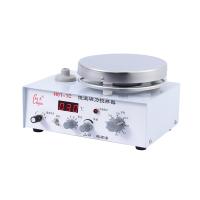
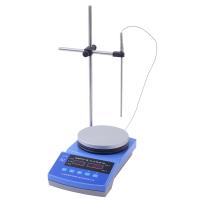
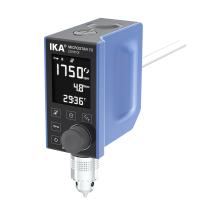
Take bleaching 100 grams of shellac as an example, first add 500 grams of water and 8 grams of soda ash (Na2C03) to the container and heat until dissolved, then add 100 grams of shellac, heat, stir continuously, and dissolve (the evaporated water must be added continuously) ), stop heating, move into another marked container (pre-add the same amount of water as the shellac alkali solution), and slowly add (or add in several times) sodium hypochlorite solution (concentration is 10 degrees) under constant stirring. Baume). At this time, the color of the shellac alkali solution gradually fades until the desired color and luster is reached, add an equal amount of water, stir (recommended instrument: magnetic stirrer), and leave it for 30-60 minutes; filter and cool to 26-28°C , while stirring, slowly add 20% dilute sulfuric acid to neutralize, and the bleached shellac will precipitate out thereupon (the amount of sulfuric acid added is based on the complete precipitation of the shellac, and it is added until the solution is acidic, and the pH is 2~ 5). Then filter the solution, and wash the bleached shellac with boiling water for many times until the residual acid and salts are washed away, then put it in hot water and knead it into the desired strip, and finally put it in cold water and store it in a sunny place. Save (the storage period is only 1~2 months, otherwise it will deteriorate and insoluble). The standard white glue obtained in this way contains a certain amount of moisture, and can be dried at a low temperature (about 40℃.) to make dry-work standard white shellac.