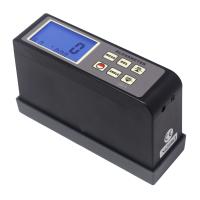
How to choose a 45 ° gloss meter? Selection points
The 45° gloss meter is a device for measuring the reflected lightness of the surface of a material. It is often used to evaluate the quality of the surface gloss of coatings, plastics, paper, ceramics and other materials. The following is a detailed introduction to the selection points and precautions of the 45° gloss meter:
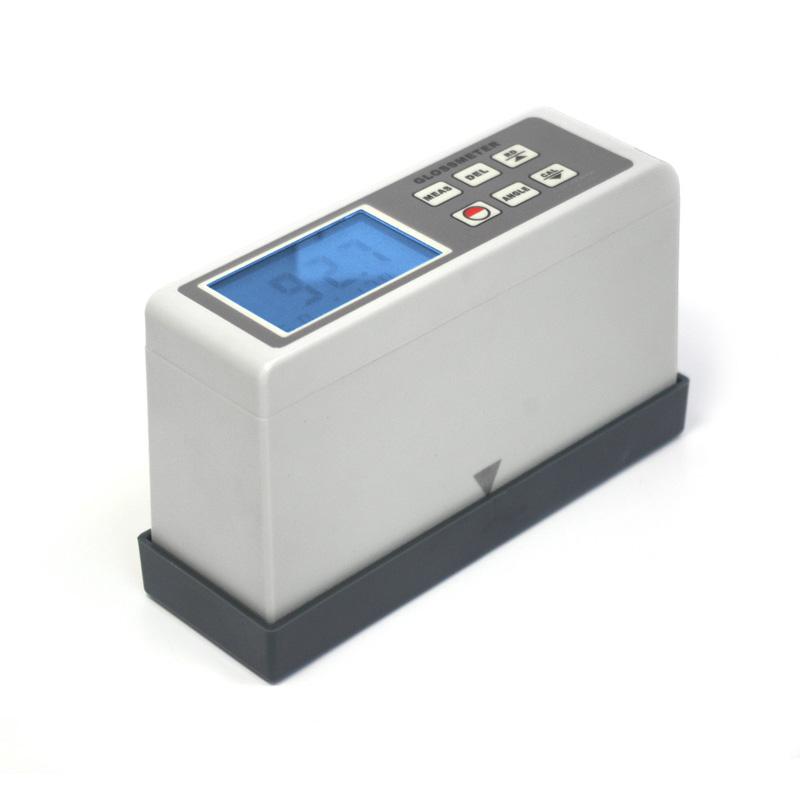
select points
1. Measuring range: Different models of 45° gloss meters may have different measuring ranges, and it is necessary to select an appropriate measuring range according to actual needs.
2. Accuracy: The accuracy of the 45° gloss meter is usually within 0.1GU. For applications that require precise measurement, it is necessary to choose a higher-precision instrument.
3. Measurement angle: The 45° gloss meter usually measures 45°, but there are also other angle options, which need to be selected according to actual needs.
4. Light source: The quality and stability of the light source will directly affect the accuracy of the measurement results. It is necessary to choose a stable light source with good light quality.
5. Display screen: The display screen should be clear and easy to read, easy to operate and view data.
Precautions
1. The use of the standard plate: Before the measurement, it is necessary to use the standard plate to calibrate the instrument to ensure the accuracy of the measurement results.
2. Sample treatment: The surface of the sample needs to be cleaned and treated before measurement to avoid the influence of external factors on the measurement results.
3. Measurement environment: It is necessary to measure in an environment that avoids interference, and avoid interference from external light and vibration on the measurement results.
4. Selection of samples: Different materials have different gloss characteristics, and it is necessary to select a 45° gloss meter suitable for the sample, otherwise the measurement results may be inaccurate.
5. Measurement angle: The 45° gloss meter usually measures 45°, but in some cases it may be necessary to adjust the angle, which needs to be selected according to actual needs.
-
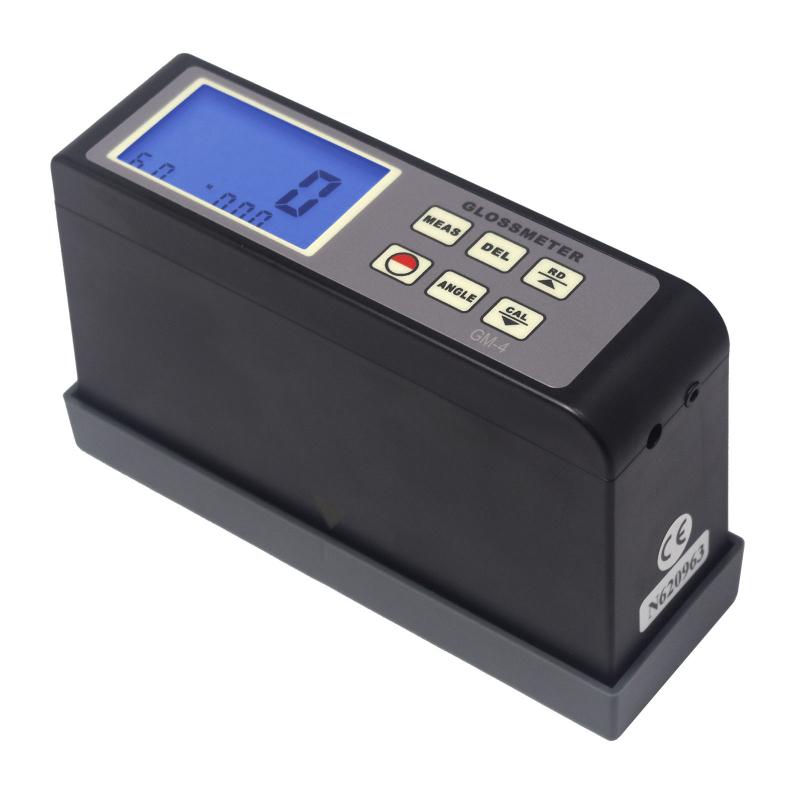
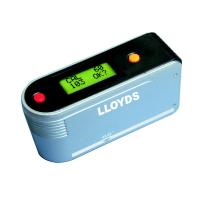
![LANDTEK GM-4 45 ° Glossiness Meter]() LANDTEK GM-4 45 ° Glossiness Meter$ 355.00
LANDTEK GM-4 45 ° Glossiness Meter$ 355.00