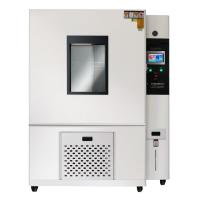
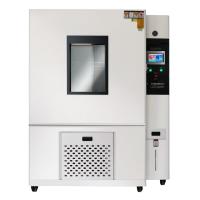
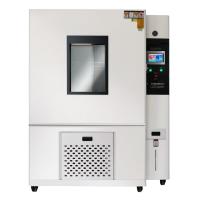
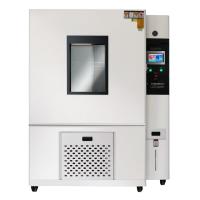
Moist heat box selection method and precautions
Humidity chamber is a kind of temperature regulating equipment widely used in laboratories, and it is often used in the thermal humidity stability test of various materials.
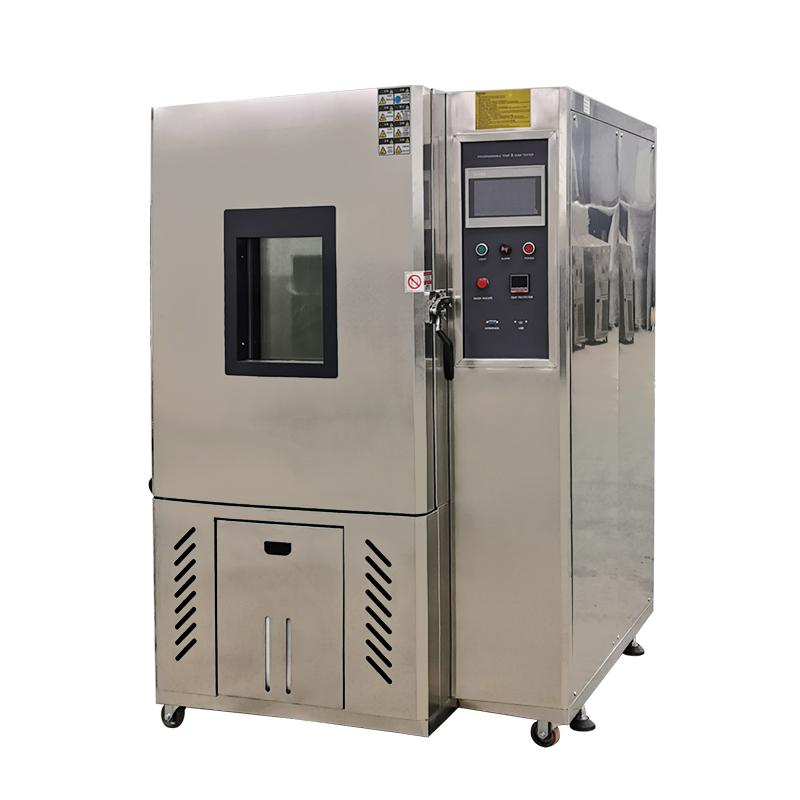
Here are the key points and considerations to consider when choosing a humid heat chamber:
Temperature range: Humidity chambers need to have a wide temperature range to suit different testing needs. Need to choose a wide temperature range, usually room temperature ~ 200 ℃.
Humidity range: Humidity chambers also need to have a wide range of humidity to meet the requirements of different materials and tests. It is necessary to choose a humid heat chamber with a higher humidity range, usually 10%~98%RH.
Stability and precision: The Humidity Chamber needs to have high stability and precision to ensure the reliability of test data. It is necessary to choose equipment with higher control precision and response speed.
Operation control: The humid heat chamber needs to have an easy-to-operate control system, such as digital display, multiple control methods, automatic adjustment, etc., to improve operating efficiency and convenience.
Safety: The use of humid heat chamber involves high temperature and high humidity, so it is necessary to choose equipment with safety protection devices, such as over-temperature protection, overload protection, etc.
Brand and service: Choosing a reputable and well-known brand can further ensure the quality and performance of the equipment. At the same time, the after-sales service of the brand is also very important, and can provide timely technical support and maintenance services.
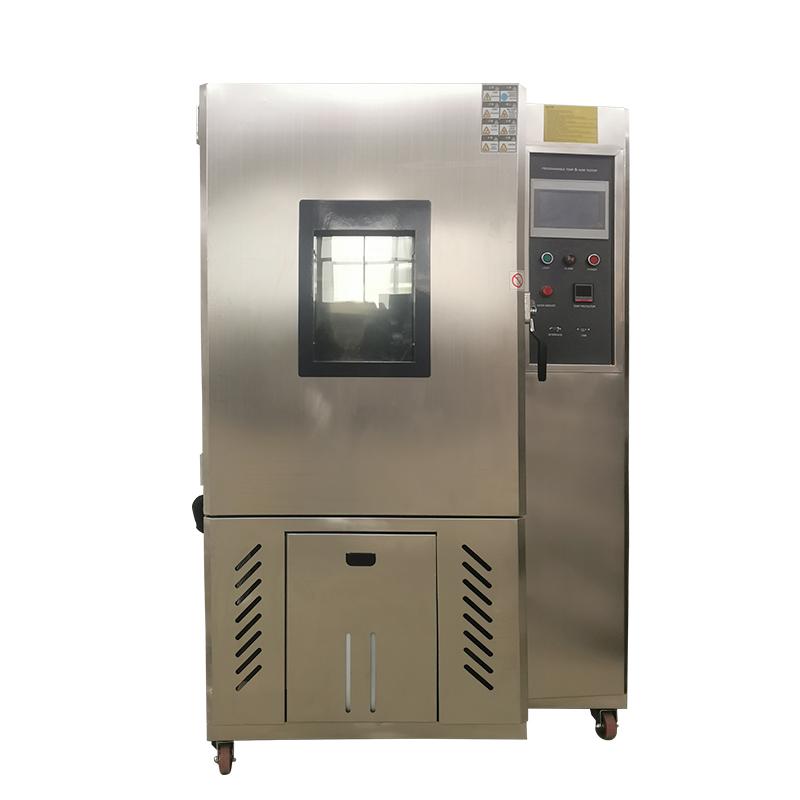
When using the humid heat box, you also need to pay attention to the following points:
Before use, it is necessary to check whether the various parts of the equipment are in good condition, such as heaters, humidity controllers, sensors, etc.
When conducting the test, it is necessary to select the appropriate temperature and humidity parameters and keep them stable.
When heating and cooling, it is necessary to pay attention to controlling the speed to avoid temperature fluctuations caused by too fast or too slow heating.
After the test, it is necessary to clean up the equipment in time, and keep the equipment dry and ventilated to prolong the life of the equipment.
If there is any abnormal situation or failure during use, it should be stopped and checked in time, so as not to affect the safety and service life of the equipment.
- 1What are the reasons why the high-low temperature alternating heating and Humidity Chamber cannot be thermostatic?
- 2Heating and Humidity Chamber FAQ and solutions
- 3Selection points and precautions for low temperature constant damp heat box