How does temperature affect viscometer measurements?
The influence of temperature on viscometer measurement results is very significant. Viscosity refers to the degree of internal resistance of a fluid, which is greatly affected by temperature. Generally speaking, an increase in temperature will lead to a decrease in viscosity, because the increase in temperature will reduce the interaction force between molecules, the movement of molecules will become more intense, and the viscosity of the fluid will decrease.
Influencing factors
Specifically, as the temperature increases, the viscometer measurement results will have the following effects:
Decrease in the accuracy of measurement results: Due to the influence of temperature, the measurement results of the viscometer will have a large deviation, which will affect the accuracy of the measurement results.
Reduced repeatability of measurement results: Due to temperature fluctuations, large variations in measurement results at the same temperature may occur, resulting in reduced repeatability of measurement results.
Decreased reliability of measurement results: Since the temperature has a great influence on the measurement results of the viscometer, it is necessary to strictly control the temperature to ensure the reliability of the measurement results.
Therefore, in order to ensure the accuracy and reliability of viscosity measurement results, strict control and correction of temperature is required.
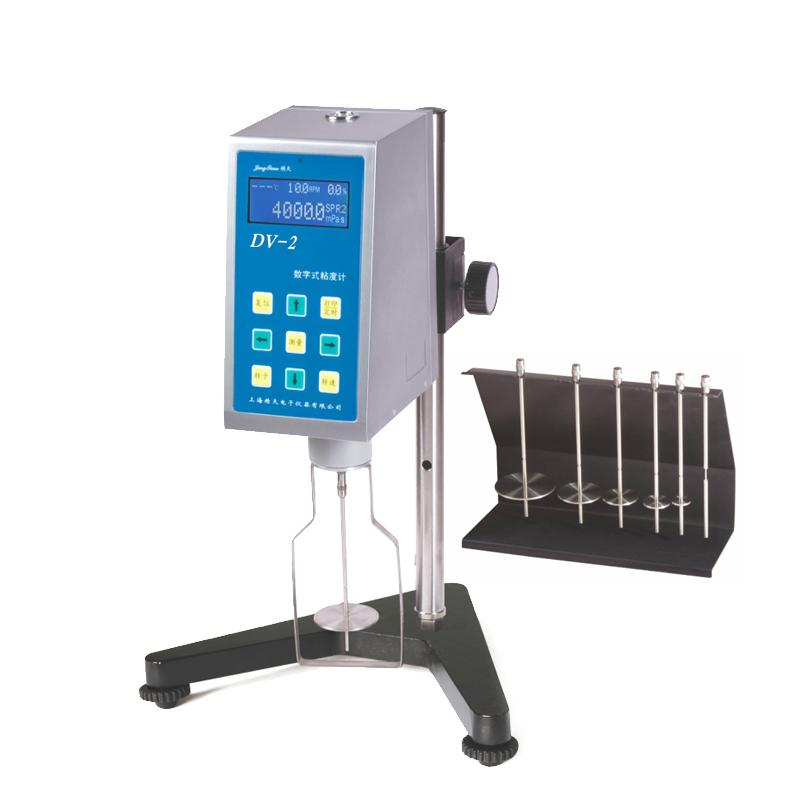
temperature correction
Correcting for temperature effects on viscometer measurements usually requires the following steps:
Use an instrument such as a thermometer or temperature sensor to accurately measure the temperature of the fluid. It is recommended to measure the temperature of the fluid before, during and after taking viscosity measurements.
According to the temperature measurement value and the corresponding temperature-viscosity relationship, the correction coefficient is calculated, and the measured viscosity value is multiplied by this coefficient to obtain the corrected viscosity value.
Try to keep the temperature as stable as possible during the measurement. Devices such as a thermostat can be used to control the temperature and ensure that it remains constant throughout the measurement.
The measurement results and temperature data are recorded and the corrected viscosity values are evaluated and analyzed. Measurements can be repeated if necessary to ensure accuracy and reproducibility of results.
Correcting for the effect of temperature on viscosity may need to be customized for the specific fluid and viscometer model. Therefore, the operating manual of the viscometer should be carefully read and operated and calibrated according to the manufacturer's recommendations.

The role of the constant temperature bath
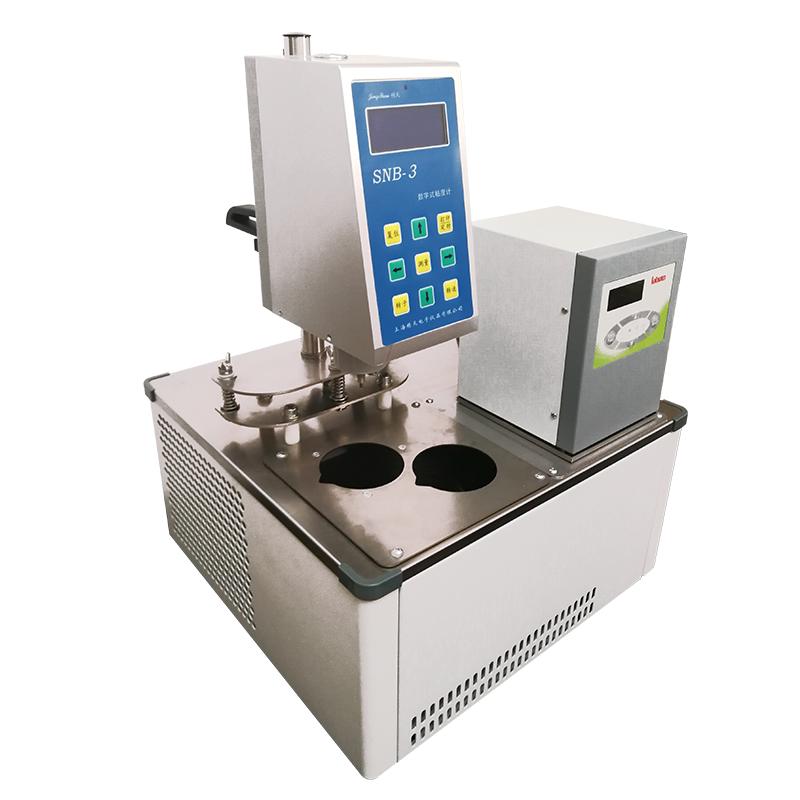
The constant temperature bath plays a very important role in the viscometer test. A viscometer determines the viscosity of a fluid by measuring its resistance, and temperature is an important factor affecting viscosity. The constant temperature bath can maintain the temperature of the fluid within a certain period of time, thereby reducing the influence of temperature on viscosity measurement and improving the accuracy and repeatability of the measurement.
Specifically, the constant temperature bath can achieve the following functions:
Maintain stable fluid temperature: The constant temperature bath can place the fluid in a constant temperature environment, ensuring that the fluid remains at the same temperature throughout the measurement process. This can reduce the influence of temperature fluctuations on the measurement results, and improve the accuracy and reliability of the measurement results.
Eliminate the Effects of Ambient Temperature Changes: In a laboratory, the ambient temperature may vary with time and season. Using a constant temperature bath isolates the measurement from the effects of ambient temperature, making the results more stable and repeatable.
Suitable for measurement at different temperatures: Different fluids have different viscosities at different temperatures. Measurements at different temperatures are possible using a thermostatic bath to determine the temperature dependence and temperature-viscosity relationship of fluids.
NBCHAO reminds you: the performance and control accuracy of the constant temperature bath have a great influence on the viscosity measurement results, so before the viscosity measurement, the constant temperature bath needs to be calibrated and verified, and the temperature during the measurement process should be monitored and recorded.
- 1Viscosity of polypropylene (PP) amide measured by NDJ Viscometer
- 2Which Viscometer to Choose for Licorice Extract Viscosity Testing? How to Test?
- 3Application of Rotational Viscometer in juice viscosity test
- 4Working Principle, Classification and Application of Capillary Viscometer
- 5Principle, Characteristics and Application of Dial Viscometer
- 6Basic Principle and Application of Ceramic Viscometer
- 7Principle, Characteristics and Application of QND Viscometer
- 8Determination of epoxy resin viscosity by Rotational Viscometer
- 9Rotational viscometer selection suggestions


