Types, Principles and Applications of Coating Thickness Gauges
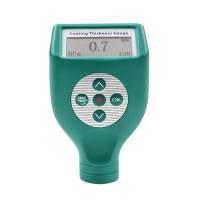
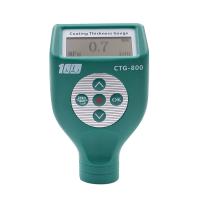
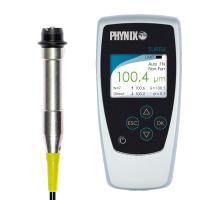
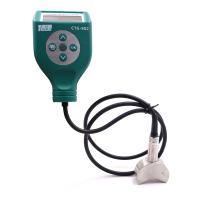
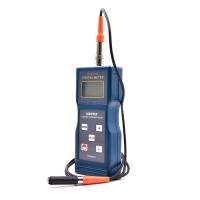
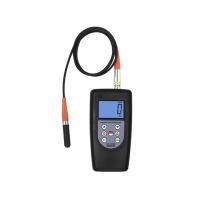
The coating Thickness Gauge is an instrument for measuring the coating thickness on the surface of an object. According to different principles and applications, the coating Thickness Gauge can be divided into magnetic induction, eddy current, ultrasonic and optical.
magnetic induction
Principle: This type of coating Thickness Gauge is based on the principle of magnetic induction, using a magnetic field and a Detector to measure the thickness of the coating. This instrument is suitable for measuring the thickness of non-magnetic coatings on metal surfaces, such as paint, rubber and plastics.
Application: Mainly used to measure non-magnetic coatings on steel surfaces, such as paint, plastic, rubber, etc. Suitable for fast and accurate coating measurement on the production line.
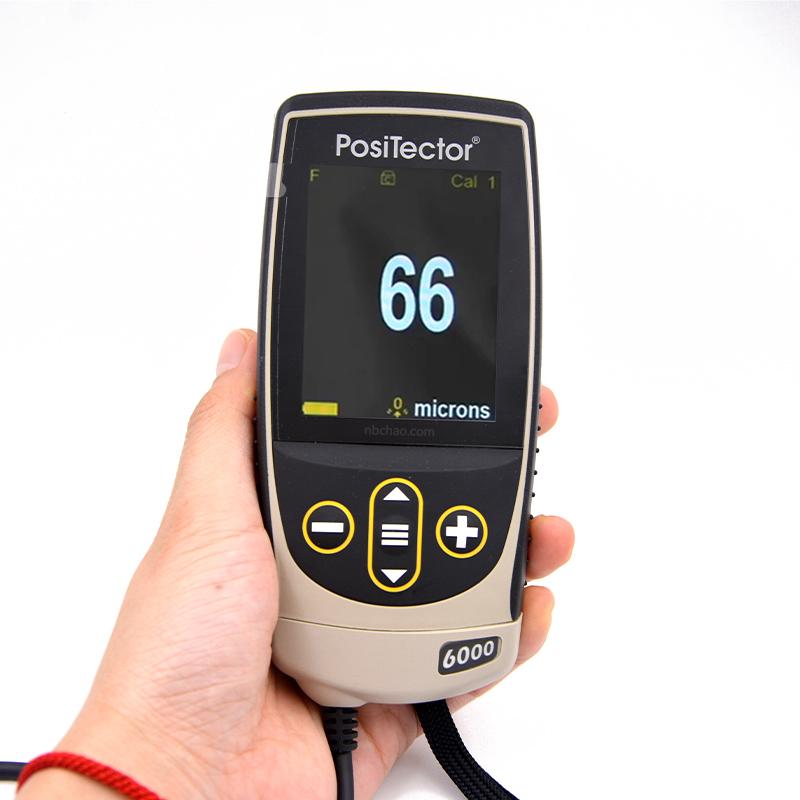
Vortex
Principle: The eddy current coating Thickness Gauge is also an electromagnetic Thickness Gauge, which measures the coating thickness through the principle of electromagnetic eddy current. When electromagnetic waves meet the surface of a conductor, eddy currents are generated, which cause changes in the reflection and absorption of electromagnetic waves. Using these changes, the size of the coating thickness can be determined.
Application: Mainly used to measure the thickness of conductive coatings, such as metal coatings, anodized films, etc. Suitable for field and laboratory measurements.

ultrasound
Principle: Ultrasonic coating Thickness Gauge is an instrument that measures coating thickness by ultrasonic waves. It uses the propagation speed and reflection characteristics of ultrasonic waves to measure the distance between the coating and the substrate, and calculate the thickness of the coating from it. Ultrasonic coating Thickness Gauges are suitable for measuring non-metallic coatings and metallic coatings.
Application: Mainly used to measure various types of coatings, such as plastic, paint, rubber, etc., and to measure the corrosion depth under the coating on the metal surface. Suitable for field and laboratory measurements
Optical
Principle: Optical coating Thickness Gauge is an instrument that measures coating thickness through optical principles. It uses the principle of optical interference or scattering to measure the thickness and color of the coating and calculate the thickness of the coating. Optical coating Thickness Gauges are suitable for measuring clear coats, paint films, coatings and films, etc.
Application: Mainly used to measure optical films, glass, coatings, etc. Suitable for laboratory measurements.
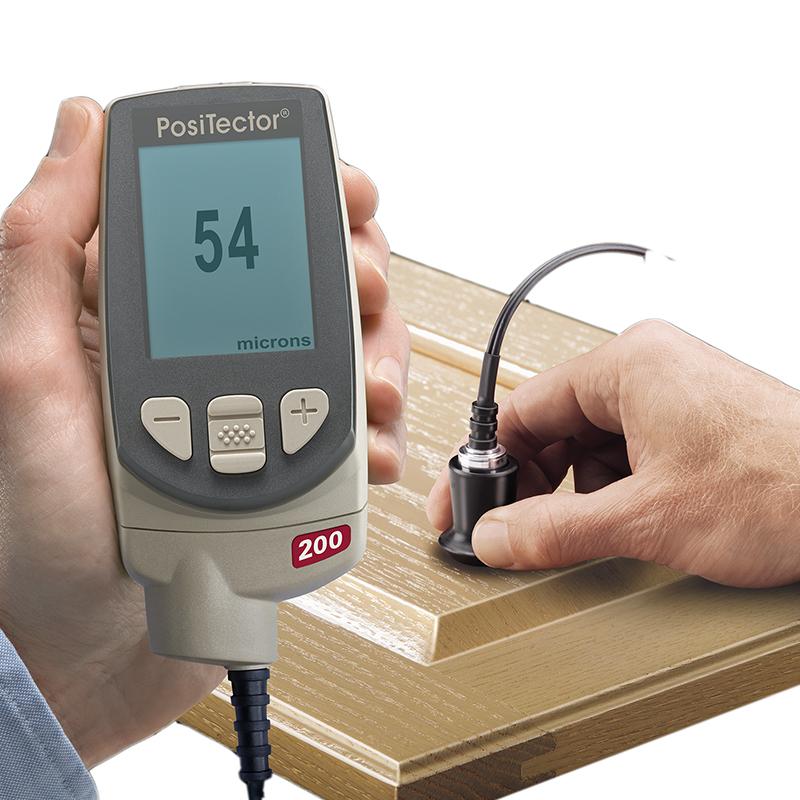
In addition, the following aspects need to be paid attention to when measuring coating thickness:
Choose the appropriate coating Thickness Gauge according to the nature of the coating. Different types of coatings require measurements using coating Thickness Gauges with different principles.
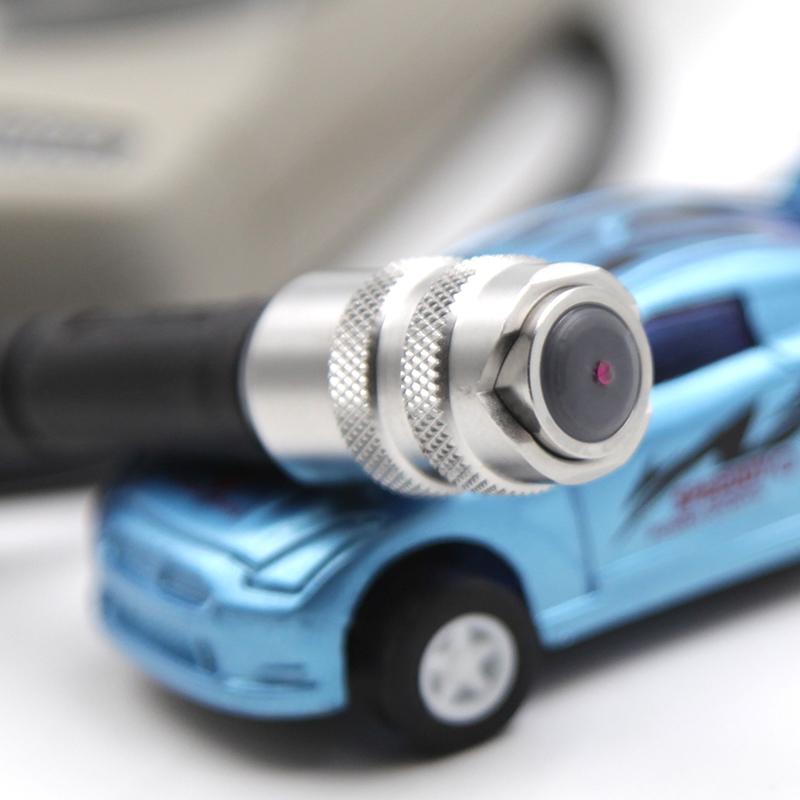
Choose an appropriate probe. Different coating Thickness Gauges usually require different types and sizes of probes. The probe should choose a model suitable for measuring the shape and surface roughness of the object.
Make sure the surface of the measurement area is clean, flat and dry. Impurities, oil, dust, etc. will affect the measurement accuracy of the coating Thickness Gauge.
Coating Thickness Gauges should be calibrated prior to measurement. Different types of coating Thickness Gauges have different calibration methods and should be calibrated according to the operation manual.
Measurements should be made perpendicular to the coating surface. If the measurement angle is not perpendicular, it may cause inaccurate measurement results.
Take multiple measurements and take the average. There may be slight unevenness in coating thickness, so multiple measurements should be taken and averaged to improve measurement accuracy.
Record measurement data and analyze it. After the measurement, the measurement data should be recorded in time, and the measurement results should be analyzed to ensure the quality and consistency of the coating.

- 1Nondestructive measurement Coating thickness
- 2Principle, application and selection of traffic coatings Coating Thickness Gauge
- 3Principle, Application and Selection of Eddy current Coating Thickness Gauge
- 4Principle, Application and Type Selection of Electronic Coating Thickness Gauge
- 5Explore the principle, application and selection of phosphating layer Coating Thickness Gauge
- 6Principle, Application and Type Selection Analysis of Chrome Coating Thickness Gauge
- 7Principle, Application and Selection of Coating Thickness Gauge for inner wall of small pipe
- 8Basic principle and application scenario of steel Coating Thickness Gauge
- 9Principle and Application Analysis of Coating Thickness Gauge