How to choose a steel plate Thickness Gauge? You need to know these 5 skills.
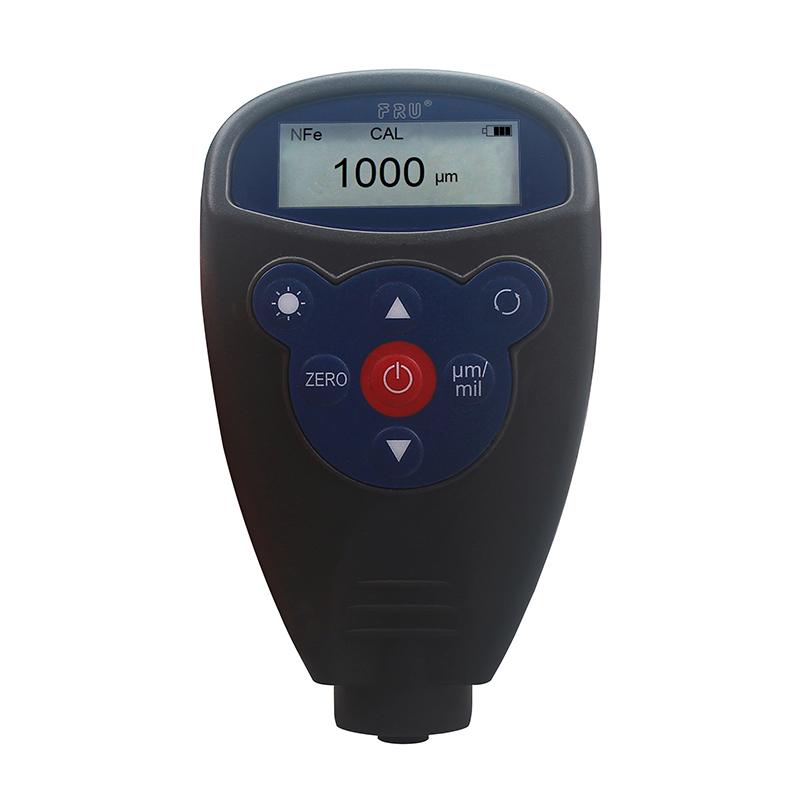
Steel plate Thickness Gauge is an instrument used to measure the thickness of metal materials. When choosing a steel plate Thickness Gauge, you need to pay attention to the following points and precautions:
select points
Measuring range: Different steel plate Thickness Gauges have different measuring ranges. Generally speaking, the wider the measuring range, the wider the applicable range. Therefore, when choosing an instrument, you need to choose the appropriate measurement range according to your actual needs.
Measurement accuracy: Accuracy is an important index to measure the performance of the steel plate Thickness Gauge, which directly affects the accuracy of the measurement results. Therefore, when choosing an instrument, you need to pay attention to the accuracy of the instrument, and choose the appropriate accuracy according to your actual needs.
Instrument stability: The stability of the steel plate Thickness Gauge is also an important indicator, which affects the stability and reliability of the measurement results. Therefore, it is necessary to pay attention to the stability of the instrument when selecting an instrument, and choose an instrument with better stability.
Ease of use of the instrument: The steel plate Thickness Gauge should be simple and easy to use, which can reduce the user's learning cost and be more effective in work. Therefore, when choosing an instrument, it is necessary to pay attention to the ease of use of the instrument, and choose an instrument with simple operation, complete functions, and humanized design.
Instrument brand and after-sales service: When choosing a steel plate Thickness Gauge, you should choose an instrument that is familiar with the brand and understand its after-sales service. In this way, when problems are encountered during use, timely technical support and maintenance services can be obtained.
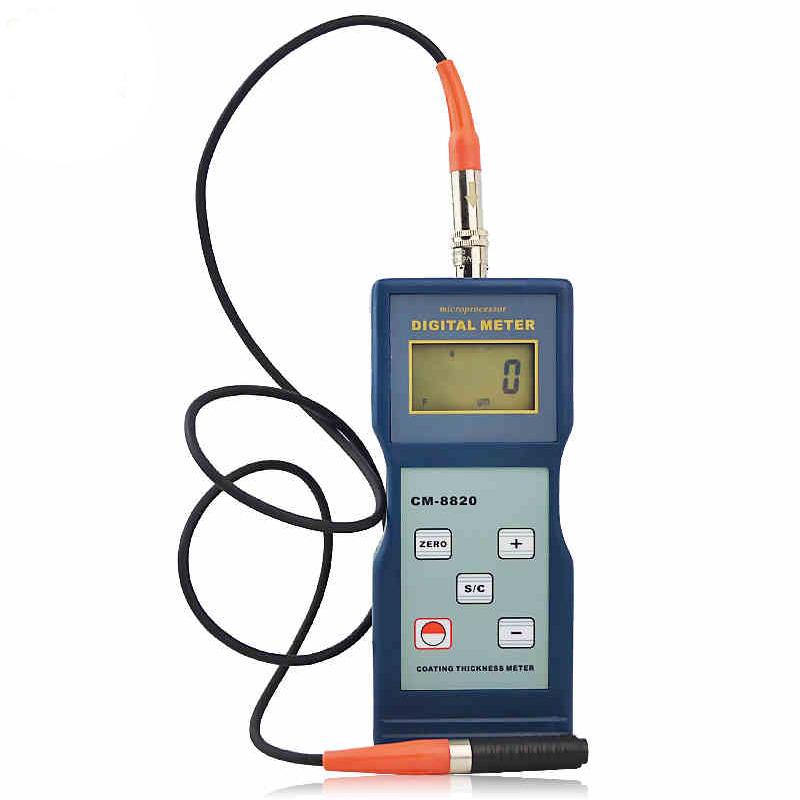
Precautions
Before using the steel plate Thickness Gauge, you should first understand how to use the instrument and operate it in accordance with the instructions to avoid damage to the instrument or inaccurate measurement data due to misoperation.
During use, care should be taken to avoid exerting excessive force on the instrument to avoid damage to the instrument.
The instrument should be kept dry and clean, free from coating, dust and other pollutants.
Before using the instrument, the instrument should be calibrated to ensure the accuracy of the measurement results.
During use, care should be taken to prevent the instrument from being subjected to vibrations and collisions, so as to avoid adverse effects on the use of the instrument.

- 1Study on common control technology of color coated steel film thickness
高兴昌;宋成革 - 《本钢技术》
- 2What are the factors affecting the color difference of coil coatings?