How to choose a logarithmic Thickness Gauge?
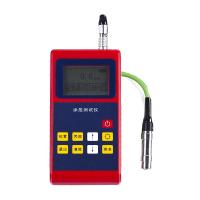
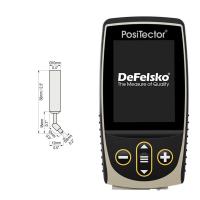
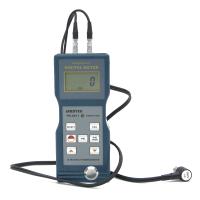
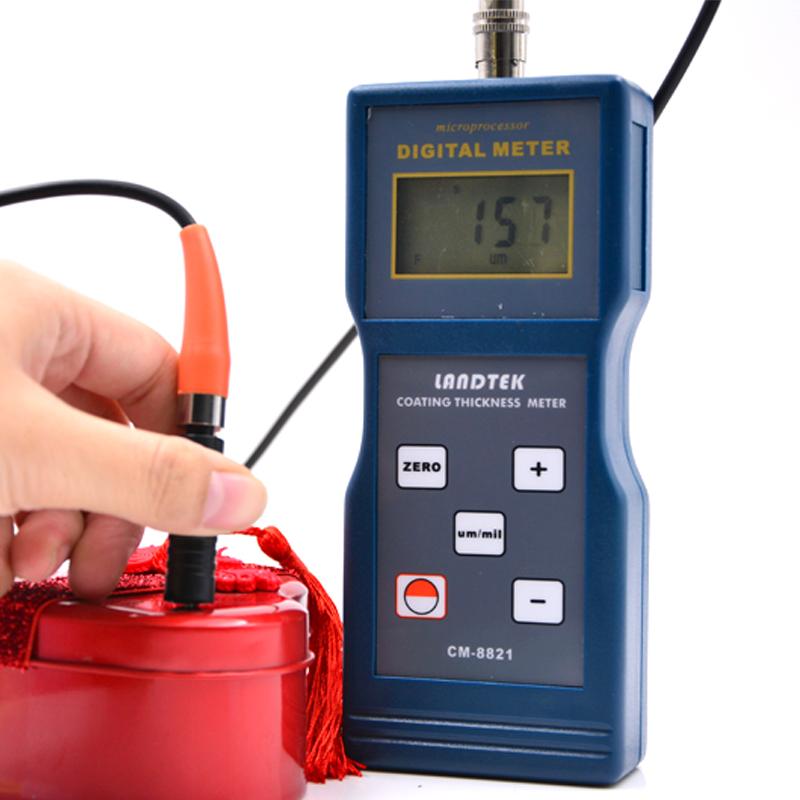
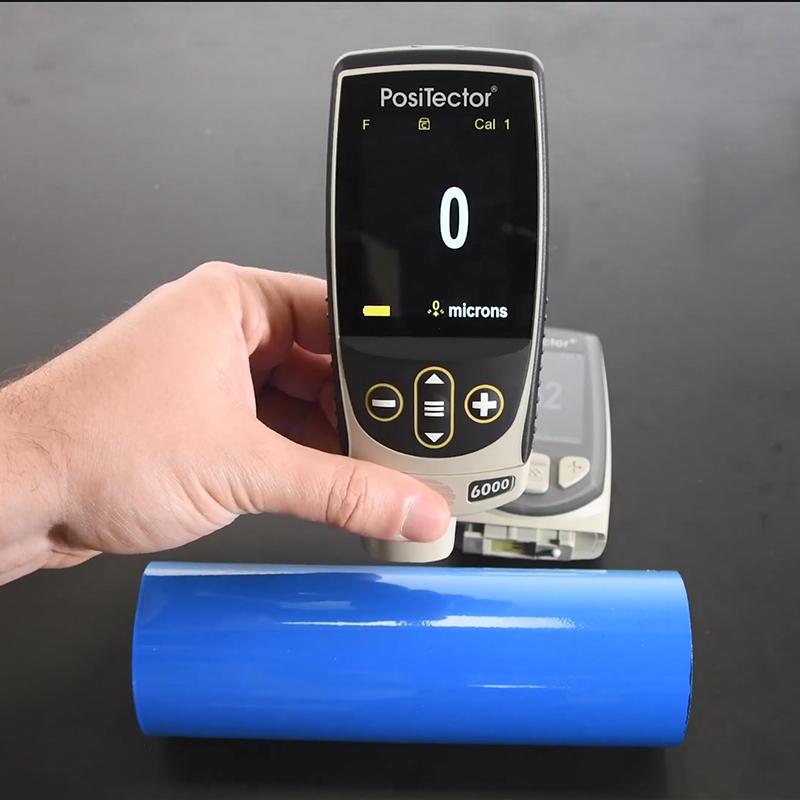
Digital Thickness Gauge is an instrument that can measure the thickness of various materials (such as metal, plastic, ceramics, etc.). It uses a high-frequency oscillating circuit and an induction coil to determine the material thickness and displays the result on a digital display. The following are the selection points and precautions of the digital display Thickness Gauge:
select points
Measuring range: Select the measuring range of the digital display Thickness Gauge according to actual needs. Different models of instruments have different measurement ranges, and an instrument suitable for the measurement object should be selected.
Resolution: Resolution refers to the smallest unit displayed by the instrument. Choosing an instrument with a higher resolution can improve the measurement accuracy. However, higher resolution instruments are usually more expensive.
Accuracy: Choosing a digital Thickness Gauge with high precision can improve the accuracy of the measurement results. Different models of instruments have different accuracy.
Display screen: Selecting a clear display screen can make operation easier. The large screen improves readability, making it easier to read measurement results.
Data storage and transmission function: Some digital display Thickness Gauges have data storage and transmission function, which can store the measurement results in memory or transmit them to computers or other devices. If long-term storage or further analysis of data is required, choose an instrument with this capability.
Precautions
Preparation before measurement: Before measurement, please ensure that the surface of the material to be measured is clean and smooth, and that the measuring head is clean.
Keep stable during measurement: During the measurement process, keep the instrument stable and avoid external interference (such as vibration, electromagnetic interference, etc.).
Selection of measurement range: Selecting an appropriate measurement range can improve measurement accuracy. Selecting a range that is too large or too small may result in loss of accuracy.
Instrument maintenance: When using a digital display Thickness Gauge, attention should be paid to maintenance, regular cleaning and calibration to ensure its accuracy and stability.
Environmental conditions: The digital display Thickness Gauge is suitable for measurement at room temperature. In high temperature, low temperature, humidity or other extreme environments, measurement accuracy may be affected, so use under these conditions should be avoided.
- 1Anmiao AC-110B-CN Coating Thickness Gauge operating instructions
- 2Anmiao AC-112H-CN Anticorrosive Coating Thickness Gauge Operation instructions
- 3Anmiao AC-110AS-CN-F Coating Thickness Gauge operating instructions
- 4Anmiao AC-110A-CN Coating Thickness Gauge operating instructions
- 5Anmiao AC-110AS-CN-N Coating Thickness Gauge operating instructions
- 6What is the effect of matrix material on the detection results of magnetoresistive Coating Thickness Gauge?
黄敏 - 《基体材质对磁阻式涂层测厚仪检测结果的影响》
- 7Talking about the particularity of the measurement of the cladding Thickness Gauge and the choice of the substrate when calibrating
张国恒 - 《覆层测厚仪测量时的特殊性及校准时的基体选择》