Working principle and application of spin coater
What is a Spin Coater?
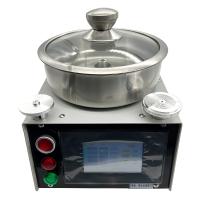
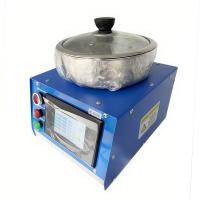
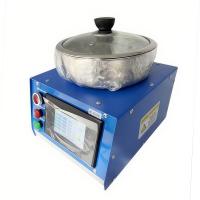
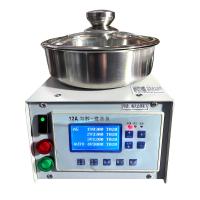
A Spin Coater is an experimental device used to prepare thin films, and is often used in research in the fields of semiconductors, optoelectronics, and biomedicine.
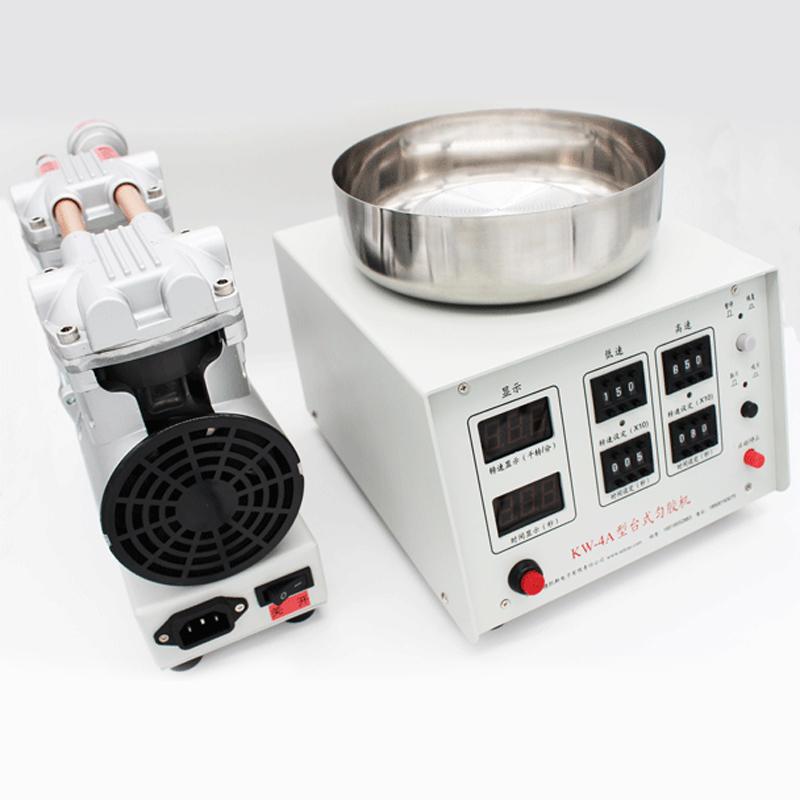
working principle
Its working principle is to add a liquid sample on the surface of the rotating substrate, and the sample is evenly distributed on the surface of the substrate by centrifugal force, finally forming a uniform film. A Spin Coater usually consists of a rotary table, a control system, a nozzle, and a motor. During operation, the user needs to pour the sample on the substrate, place the substrate on the rotating platform, and then control the rotation speed and rotation time, so that the sample is evenly coated on the surface of the substrate while rotating. Typically, the higher the spin speed, the thinner the film.
In detail, the Spin Coater evenly coats the liquid sample on the surface of the rotating substrate through centrifugal force to form a uniform film. Specifically, the Spin Coater is composed of a rotary table, a control system, a nozzle and a motor, and the operation steps are as follows:
Pour the liquid sample to be applied onto the substrate surface;
placing the substrate on the turntable;
Start the rotary table, the rotation speed is usually between several thousand revolutions per minute to tens of thousands of revolutions per minute, the faster the speed, the thinner the film thickness;
Simultaneously start the nozzle to evenly spray the liquid sample on the surface of the rotating substrate;
After a certain rotation time, the rotation is stopped, and the film is air-dried or dried.
During the spin coating process, centrifugal force can quickly and evenly distribute the liquid sample on the substrate surface, thus forming a uniform film. In addition, factors such as the rotation speed and the viscosity and surface tension of the liquid sample also affect the film formation and thickness.

Application field
Spin Coaters are widely used in research and manufacturing in the fields of semiconductors, optoelectronics and biomedicine, including the following aspects:
Preparation of semiconductor devices: Spin Coaters can be used to prepare electrodes, dielectrics and sensitive layer materials for semiconductor devices such as transistors, solar cells, and photovoltaic devices.
Manufacturing of optoelectronic devices: spin coating equipment can be used to prepare thin film materials for optoelectronic devices such as liquid crystal displays, OLED displays, and LED devices.
Manufacturing of biomedical sensors: Spin Coaters can be used to prepare sensitive materials for biomedical sensors, such as proteins, DNA and cells.
Spin Coaters are widely used in the preparation of semiconductor devices, optoelectronic devices, and biomedical sensors. It can prepare uniform thin films, and the preparation process is simple and fast, so it is widely used.
Preparation of nanomaterials: Spin coating equipment can be used to prepare materials such as nanoparticles, nanowires and nanofilms. The preparation process has a certain control effect on the structure and morphology of materials.
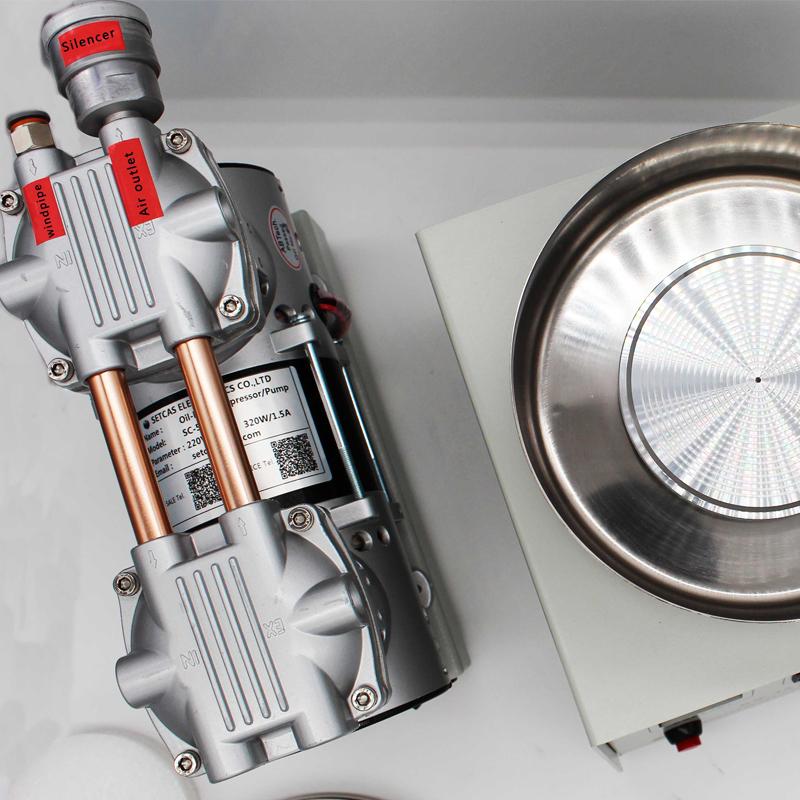
In summary, the Spin Coater can prepare uniform thin films, and the preparation process is simple and fast, so it is widely used in scientific research and industrial production.
-
![SETCAS KW-4A Spinning Coater Manual]() SETCAS KW-4A Spinning Coater Manual$ 1246.00
SETCAS KW-4A Spinning Coater Manual$ 1246.00
- 1Application of Spin Coater in preparation of Bi1.5MgNb1.5O7 film
- 2Automatic Film Applicator and spin coating spin coater: Key technologies and applications in industrial production
- 3Comparison of advantages and disadvantages of preparing large area perovskite films by doctor blade Spreader method and spin coating method
- 4Two Methods of Preparative Anti-oxidation polymer Encasement Film
- 5Three Methods of Preparative Unsupported Adhesive Film on Plastic Plate
- 6Five different methods of prepative inks
- 7Common Problems and Maintenance Measures of Spin Coater of Gluer
- 8Three small suggestions for improving the effect of spin coating
- 9Detailed operation steps schematic diagram of the glue leveler