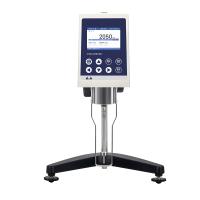
How to measure the viscosity of excipient hydroxypropyl methylcellulose?
Excipient hypromellose is a polymer compound widely used in pharmaceutical, food, cosmetics and other fields. It is a semi-synthetic compound prepared by chemical modification of natural cellulose, which has excellent properties such as thickening, moisturizing, stable emulsification, and increasing viscosity. Excipient hypromellose is usually used as a coating agent, binder and thickener for pharmaceutical preparations, and can also be used as a thickener, stabilizer and moisturizer in food and cosmetics.
The chemical name of the excipient hypromellose is hydroxypropyl methylcellulose (Hydroxypropyl Methylcellulose, abbreviated as HPMC). It is a white to slightly yellow powder, tasteless and odorless, easily soluble in water. Due to its many excellent physical and chemical properties, the excipient hypromellose has become an important auxiliary in the fields of pharmacy, food and cosmetics.
Methods of Measuring Viscosity
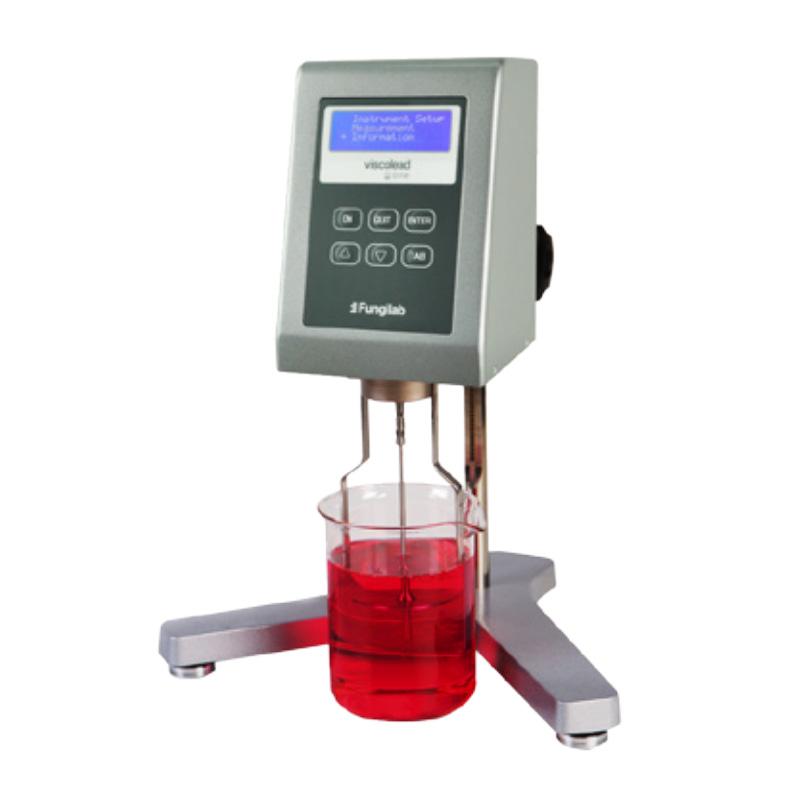
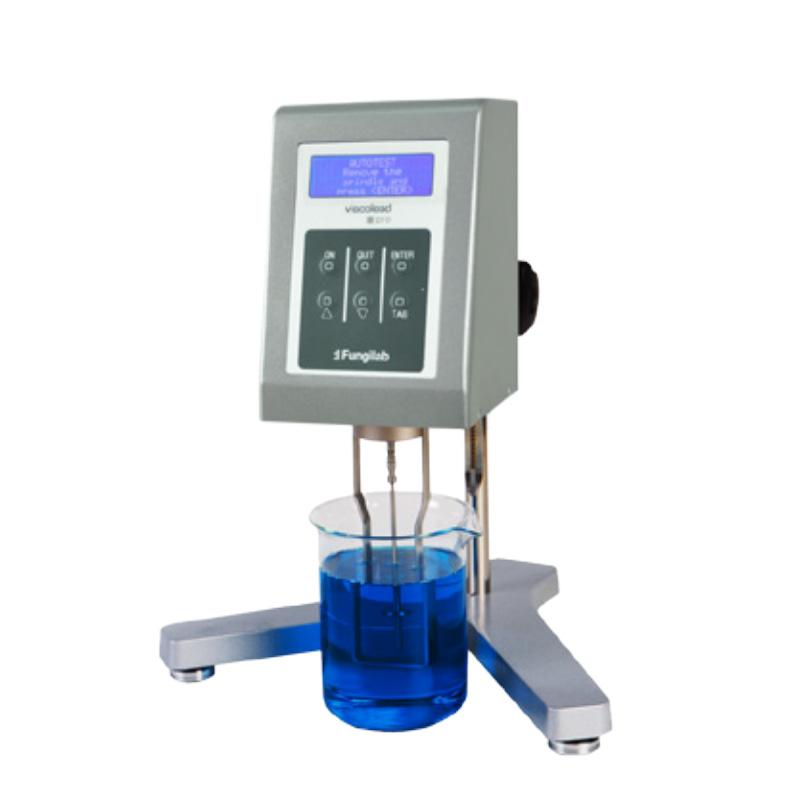
Measuring the viscosity of the excipient hypromellose usually requires the use of a Rotational Viscometer. Here are some measurement steps:
Prepare the sample: add a certain amount of excipient hypromellose powder to a certain amount of solvent (usually water). Stir the sample mixture until the sample is completely dissolved.
Prepare the Rotational Viscometer: Place the Rotational Viscometer in a constant temperature Water Bath and adjust the temperature to the desired temperature.
Place the sample: inject the sample into the sample tank of the Rotational Viscometer.
Measuring Viscosity: Turn on the Rotational Viscometer and start measuring. A viscometer measures the viscosity of a sample and outputs a reading. At a stable reading, record the viscometer reading.
Clean the sample tank: After the measurement is completed, use solvent to clean the sample tank and Rotational Viscometer for the next measurement.
Note that the measurement process can be influenced by many factors such as temperature, sample concentration and type of Rotational Viscometer. Before making measurements, it is recommended to read the relevant literature and understand the experimental conditions in order to obtain accurate results.
- 1Rotational viscometer - principle, classification, application and calibrating
- 2Application of NDJ-8S digital Rotational Viscometer in viscosity measurement of cosmetic raw materials
- 3NDJ-5S digital Rotational Viscometer accurate measurement of natural oil viscosity
- 4Viscosity of polypropylene (PP) amide measured by NDJ Viscometer
- 5Application of HBDV-1H swirl/spin High Temperature Viscometer in Viscosity Determination of Plastic Particles
- 6Rotational viscometer selection guide: How to choose the right viscosity equipment for you?
- 7Principle, type and accuracy control of Rotational Viscometer
- 8Which Viscometer to Choose for Licorice Extract Viscosity Testing? How to Test?
- 9Application of Rotational viscometer in Waterborne Polyurethane Adhesive