How to Test Sugar Viscosity with a Viscometer
Measuring the viscosity of sugars requires a viscometer.
Rotational viscometer: A Rotational Viscometer is a commonly used viscosity measuring instrument that measures the viscosity of a liquid by rotating a cylinder. This instrument is suitable for measuring the viscosity of fluids, usually capable of testing the range of 0.1-1000000mPa·s. For sugar samples, more accurate measurement results can be obtained by using a Rotational Viscometer.
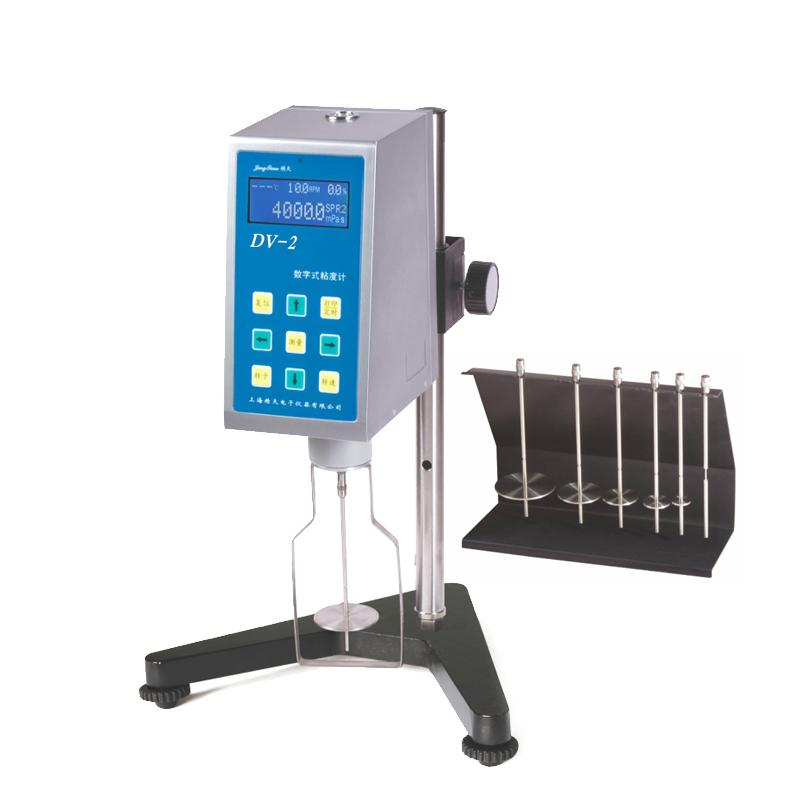
Here are the steps to measure the viscosity of sugars using a common Rotational Viscometer:
Prepare the sample: accurately weigh the sugar sample to be tested, and dissolve it in an appropriate amount of water until it is completely dissolved. When dissolving, it needs to stir well to make the sample dissolve evenly.
Adjust the temperature: put the sample in a constant temperature Water Bath to keep the temperature between 20°C and 25°C. Since the viscosity of sugars usually changes with temperature, it needs to be tested at a fixed temperature.
Adjust the viscometer: Adjust the viscometer to the appropriate measurement range. Generally, the rotation speed of the viscometer can be adjusted between 0.3-60 rpm, and the appropriate speed should be selected according to the characteristics of the sugar sample.
Measure the viscosity of the sample: put the adjusted viscometer into the sample, and turn on the viscometer for measurement. During the measurement process, attention should be paid to avoid air bubbles entering the sample, so as not to affect the test results. After the measurement is complete, the viscometer readings can be recorded for data processing and analysis.
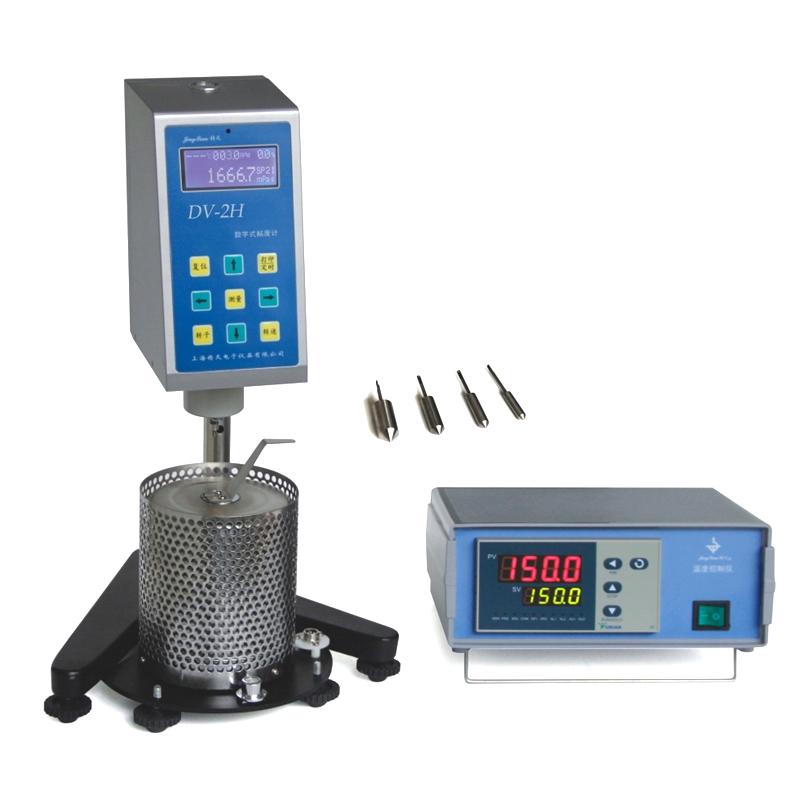
North and South Chao reminds you: different types of sugars show different characteristics in the viscosity test, so it is necessary to fully understand the characteristics of the sample before testing to determine the appropriate test conditions. In addition, it is also necessary to pay attention to the use and maintenance of the viscometer to ensure the accuracy of the test results.

- 1Viscosity of polypropylene (PP) amide measured by NDJ Viscometer
- 2Application of SNB-1 + L0 digital swirl/spin Viscometer in Oil Industry
- 3Which Viscometer to Choose for Licorice Extract Viscosity Testing? How to Test?
- 4Application of Rotational Viscometer in juice viscosity test
- 5Working Principle, Classification and Application of Capillary Viscometer
- 6Principle, Characteristics and Application of Dial Viscometer
- 7Basic Principle and Application of Ceramic Viscometer
- 8Principle, Characteristics and Application of QND Viscometer
- 9Determination of epoxy resin viscosity by Rotational Viscometer


