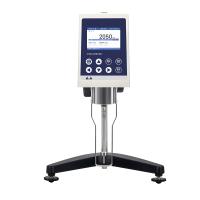
Significance and method of cement slurry viscosity test
Meaning of measurement
The purpose of measuring the viscosity of cement slurry is to evaluate the flow performance and process performance of cement slurry. Here are some reasons for measuring grout viscosity:
Control the fluidity of the grout: The grout needs to be able to flow freely during construction to ensure that every part of the concrete structure is fully filled and compacted. By measuring the viscosity of the cement slurry, its fluidity can be determined and corresponding adjustments can be made to meet the construction requirements.
Ensuring Concrete Strength and Quality: The strength and quality of concrete is affected by the grout. By measuring the viscosity of cement slurry, its viscosity and fluidity can be determined, so as to determine a better concrete ratio to ensure the strength and quality of concrete.
Ensure the stability of the grout: The grout needs to be stable during the construction process to avoid problems such as deposition, delamination, and condensation. By measuring the viscosity of the grout, its stability can be determined and, if necessary, adjusted accordingly.
Detect the quality of cement slurry: the viscosity of cement slurry is related to its quality. Whether the quality of the cement slurry meets the standard requirements can be judged by measuring the viscosity.
Therefore, measuring the viscosity of cement slurry is very important to ensure the strength and quality of concrete structures and the smooth progress of construction.
Measurement methods
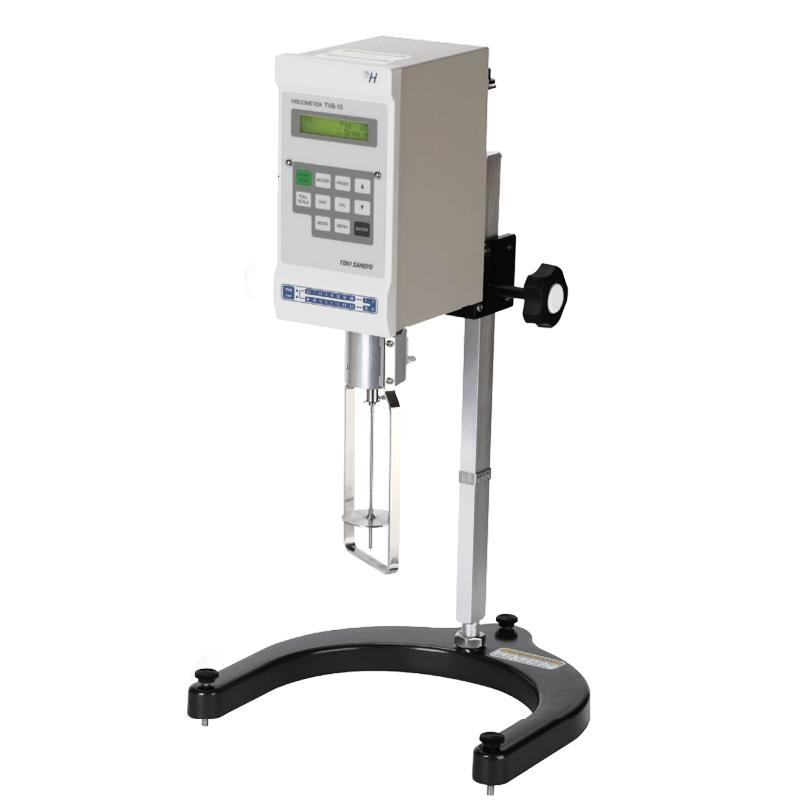
The viscosity of grout can be tested using a rotary viscometer. Here are some test steps:
Prepare test equipment: Rotational Viscometer, grout sample, measuring cup, timer, and thermometer.
Add a certain amount of cement slurry sample into the measuring cup and place it on the test stand of the rotary viscometer.
Slowly dip the probe of the Rotational Viscometer into the cement slurry sample until fully submerged and stationary.
Start the Rotational Viscometer and record the measurement time and rotational speed.
Stop the test for a preset time and record the measurement results.
Calculate the viscosity of the cement slurry according to the test results, and record the results.
North and South Tide remind you: the viscosity of cement slurry is affected by many factors, such as cement type, slurry ratio, mixing method, etc. Therefore, when testing, it is necessary to ensure that standardized test methods are used and comparisons are made under the same test conditions.
- 1Rotational viscometer - principle, classification, application and calibrating
- 2Application of NDJ-8S digital Rotational Viscometer in viscosity measurement of cosmetic raw materials
- 3NDJ-5S digital Rotational Viscometer accurate measurement of natural oil viscosity
- 4Viscosity of polypropylene (PP) amide measured by NDJ Viscometer
- 5Application of SNB-1 + L0 digital swirl/spin Viscometer in Oil Industry
- 6Application of HBDV-1H swirl/spin High Temperature Viscometer in Viscosity Determination of Plastic Particles
- 7Rotational viscometer selection guide: How to choose the right viscosity equipment for you?
- 8Principle, type and accuracy control of Rotational Viscometer
- 9Which Viscometer to Choose for Licorice Extract Viscosity Testing? How to Test?