Precautions for car repair scratches and scratches
When repairing car scratches and scuffs, pay attention to the following:
When modifying slight traces, if you use a polishing machine to modify, you need to clean the wool fleece cover with thinner, and you cannot polish it with a dry wool cover to prevent hair marks from affecting the effect.
When using manual polishing to modify minor scratches, first use a new towel dipped in sand wax to rub repeatedly until the paint film generates heat, and the white marks can easily restore the original paint color. After the color is restored, use flannel or cotton to polish the wax and throw it away light.
For the repair of scratches penetrating the finish paint, try not to expand the area when polishing, so as to prevent wear marks after repairing the paint. When grinding, you can wrap the fine emery cloth or sandpaper on the pad of the index finger of the right or left hand, and use the pad of the index finger to press the emery cloth carefully to polish it.
For the repair of scratches penetrating the primer, when polishing the bottom layer, the burrs or edges of the trace must be smoothed and flattened, especially for the part that penetrates the primer of the putty coating, because the edge of the coating is thicker, it must be more careful Grinding to eliminate flying edges, otherwise the edges are prone to cracks after the putty dries.
When scraping putty for leveling or painting in spraying, the coating area should be reduced as much as possible, but when reapplying topcoat and spraying spit water , the area should be enlarged as much as possible, otherwise the expected repairing effect will not be achieved.
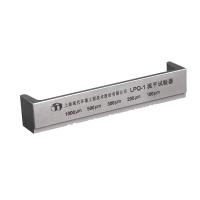
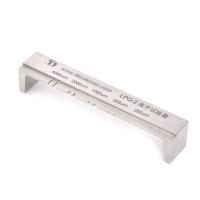
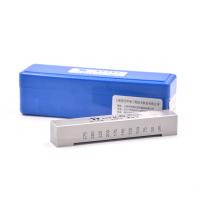
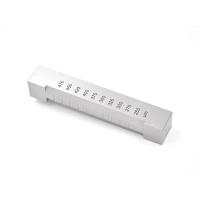
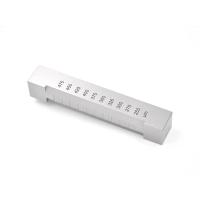
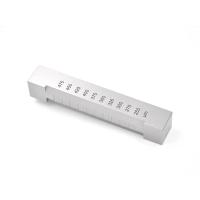
If there are adverse phenomena such as flow, sagging or obvious particles after repairing the topcoat (relevant instrument: Sag Tester), immediately use a clean cloth to soak the thinner to wipe off the topcoat, and then respray to ensure the quality .
- 1Sag problems and their solutions
- 2what is the coating Leveling and Sag resistance
- 3How to assess the sag resistance of paints and varnishes according to ISO 16862
- 4Why does the coating have orange peel defects? How to solve sagging and leakage?
- 5What is the interaction between flow and viscosity?
- 6Influence of Leveling on Rheological Phenomena of Coatings
- 7Wetting, coalescing and hanging of paint rheological phenomena
- 8What is leveling? What parameters affect leveling?
- 9The difference between ink fluidity and fluidity