Precautions for car small surface and whole surface refinish
When small surface bruises occur on the front and rear windshield glass or below the door glass, the glass and bead must be completely covered with paper before repainting to ensure cleanliness. Especially the plexiglass used in the car door must be covered tightly. If it is dirty, the organic solvent in the thinner will easily dissolve the plexiglass when it is cleaned with thinner, so special attention must be paid.
When the small surface bruise occurs on the car lamp or near the hardware, the lamp should be wrapped with double-layer paper and glued tightly, and the surface of the hardware can be coated with butter to prevent it from getting dirty.
When small surface bruises occur on the edge of the molding (both sides of the car body), before painting, use tape to straighten and stick to the lower edge of the edge, and then use paper and tape to cover the paint surface under the edge tightly. After the topcoat is sprayed, remove the adhesive tape, and after the touch-up paint is effectively dry, use a wool cover polisher to smooth the burr generated by removing the adhesive tape.
When small surface bruises occur on the surface of small-area moving parts (such as fuel tank doors, etc.), cover moving parts fully when spraying the top paint, which can not only ensure the quality, but also save spraying Slobbering procedure.
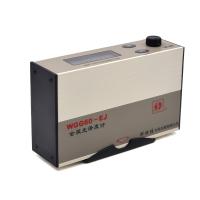
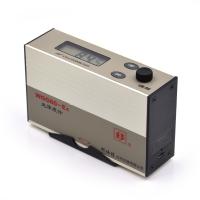
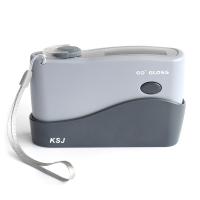
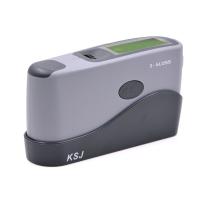
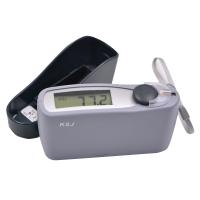
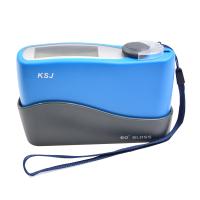
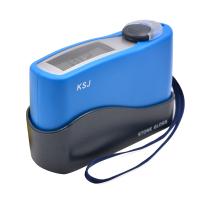
After the whole surface paint is repaired, since it is a new painting, if the gloss is high, it can be polished after the paint film is dry to make the gloss softer, so as to avoid obvious light difference. (Related instrument: gloss meter)
In order to prevent light difference after repairing the whole surface of the finish paint, before spraying the finish paint, add a small amount of automotive finish , and then spray again to prevent light difference.
When repairing the entire surface, if the bottom layer (referring to the base material) after the old paint is removed has good flatness, try to scrape the putty as little as possible to prevent pitting caused by too thick putty. For touch-up paint on small surfaces or scratches, when using spit water, you should pay attention to the spit water that is suitable for the drying and dissolving properties of the topcoat, so as to prevent the effect from being affected by the wrong type.

- 1Working Principle and Application of Metal Gloss Meter
- 2Coating coatings - Determination of surface gloss and Gloss meter
- 3Application of Glossmeter in paper surface gloss detection
- 4Glossmeter for paints film gloss detection
- 5How is Gloss Meter applied to copper gloss detection?
- 6Application of Glossmeter in wood gloss detection
- 7Application of Glossmeter in furniture paints gloss detection
- 8Application of Glossmeter in paint gloss measurement
- 9How to detect enamel gloss with Glossmeter?