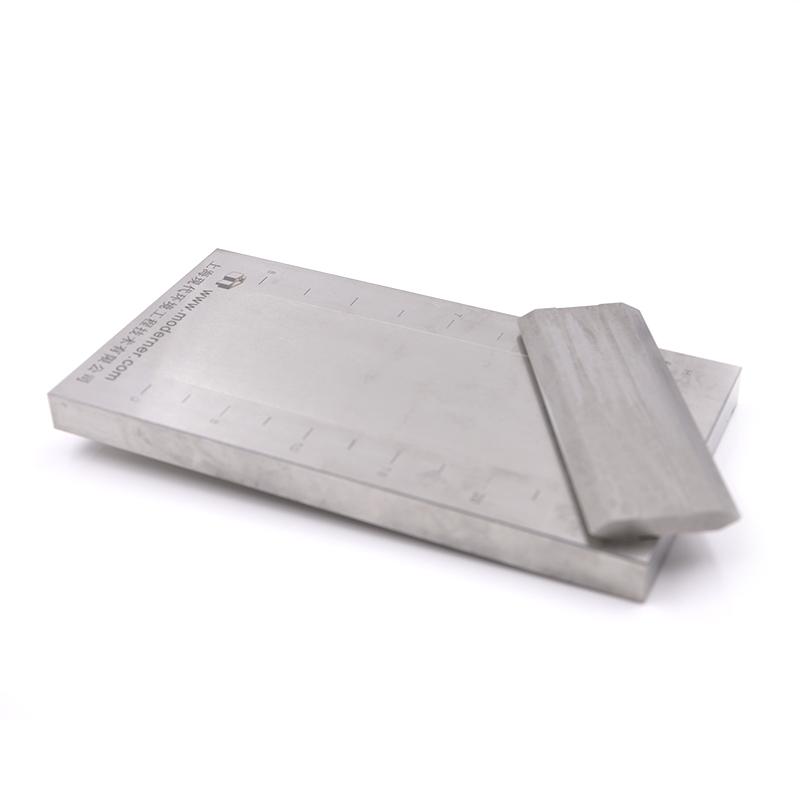
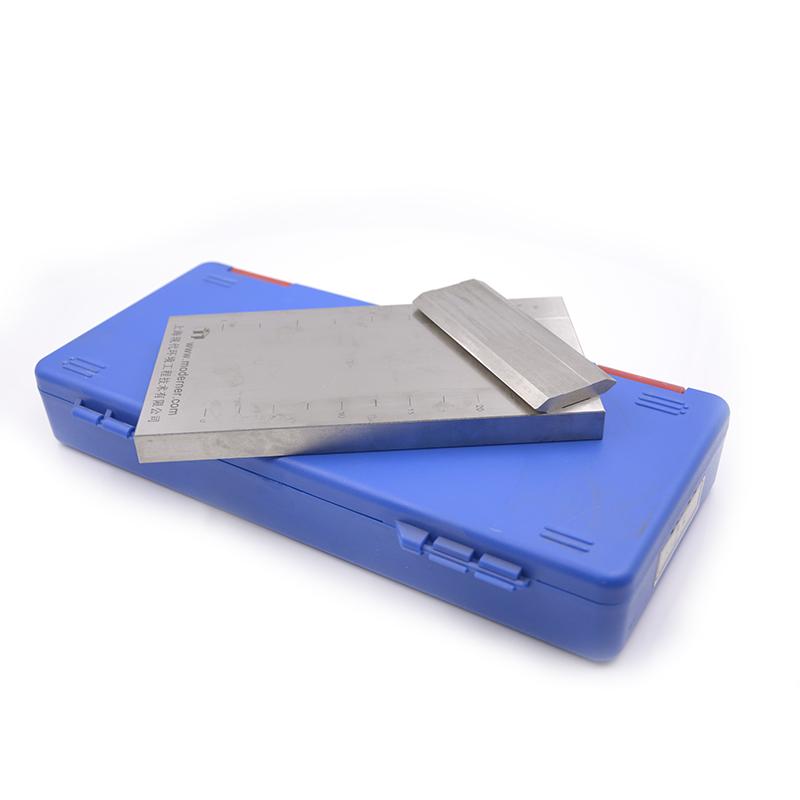

INKS Fineness gauge MODERNER QXD-100
SE QXD-100 (large wide-channel)

-
 TRUIT TR 1203/100 wide-channel Fineness gauge 0~100μm$ 189.00SE
 -
 TQC VF2107 single-channe grinding Fineness of Grinding Gauge 0~100μm with calibrated certificate$ 1123.00SE
 -
 Coating Fineness gauge MODERNER QXD-100
 -
 JINGKELIAN QXP 0-100um single-channe Fineness of Grind Gauge Fineness gauge 0~100μm$ 149.00SE
 -
 YONGLIDA QXP0-100 ISO Grindometer 10 μm scale$ 165.00SE





Moderner QXD-100 (large wide-channel) Large wide-channel Fineness gaugeSPEC
Moderner QXD-100 (large wide-channel) Large wide-channel Fineness gaugeDetails
Moderner QXD-100 (large wide-channel) Large wide-channel Fineness gaugePacking list

- SKU
- NB001418
- Scraper type
- Big wide-channel
- Number of grooves
- 1
- range
- 0 ~ 100µm
- Scale unit
- mm
- Scraper material
- Anti-corrosion stainless steel
- Scraper size
- 171.45*88.9*12.7mm
- Groove size
- 50.8*127mm
- Scraper material
- stainless steel
- Scraper size
- 95mm
- Graduation
- 5μm
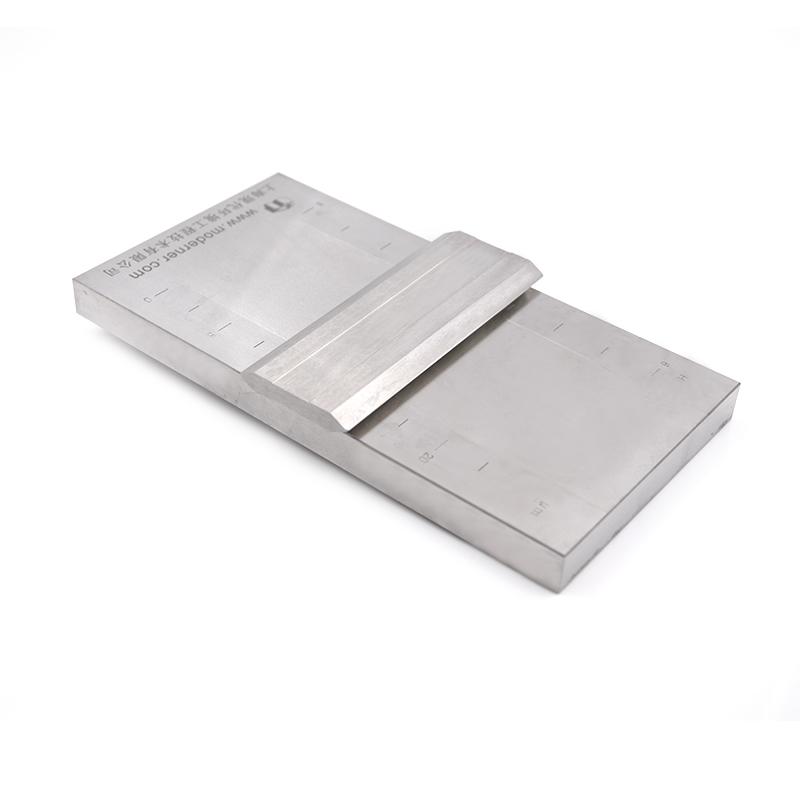
Introduction
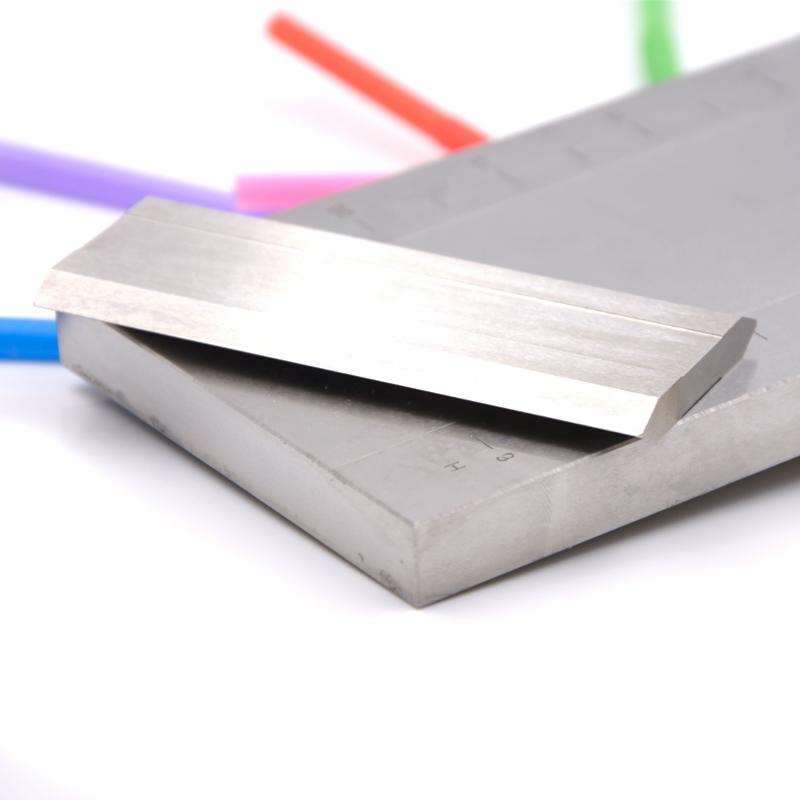
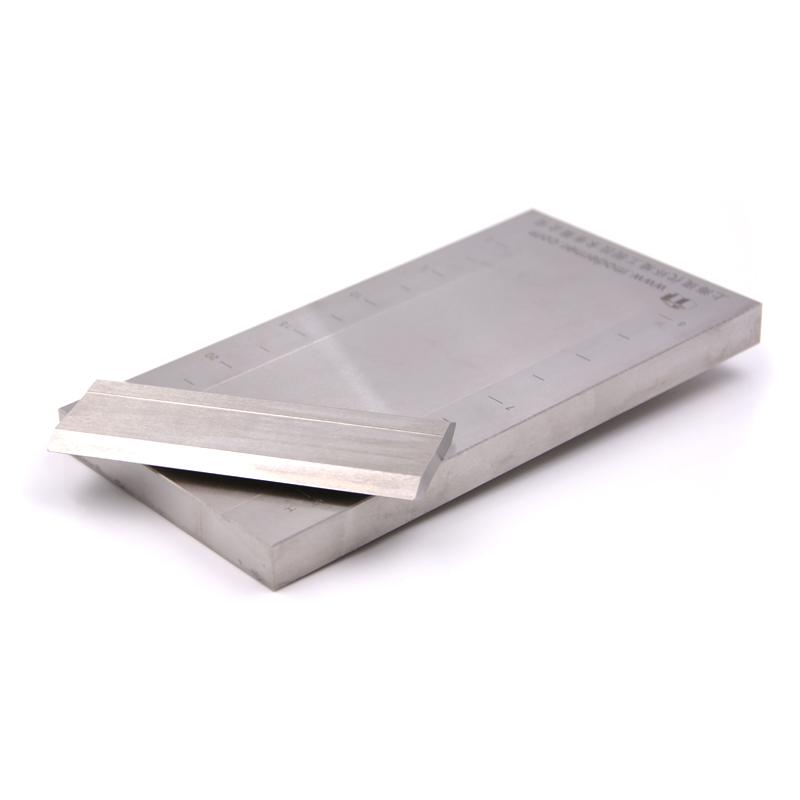
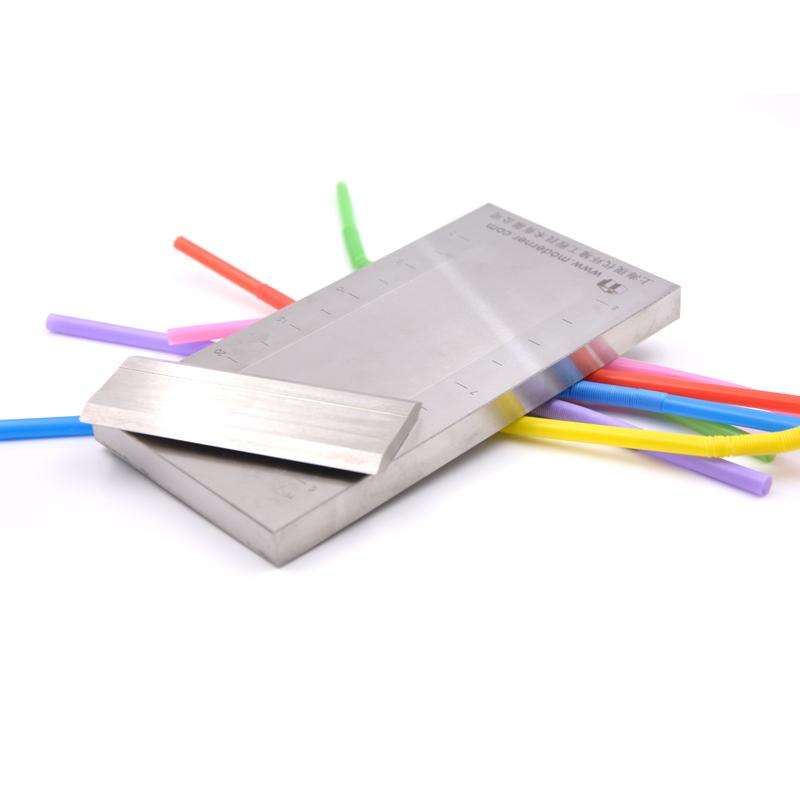
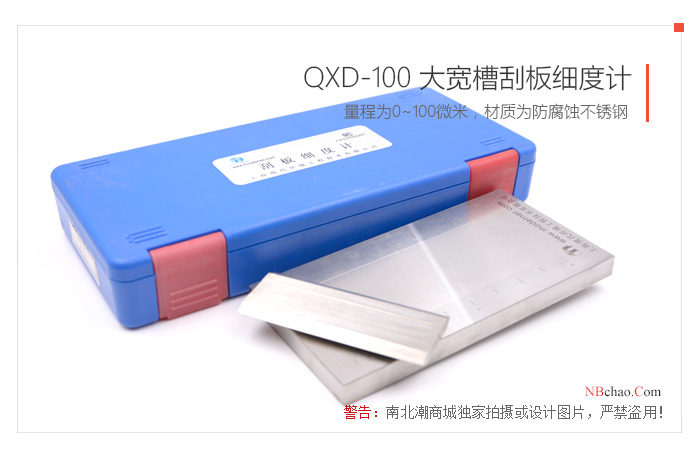
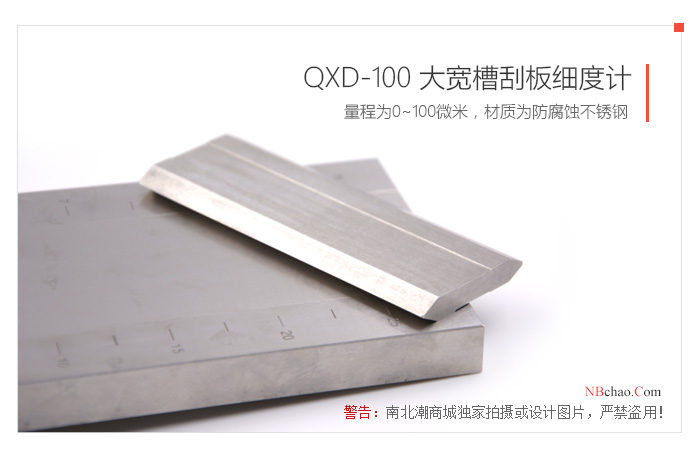
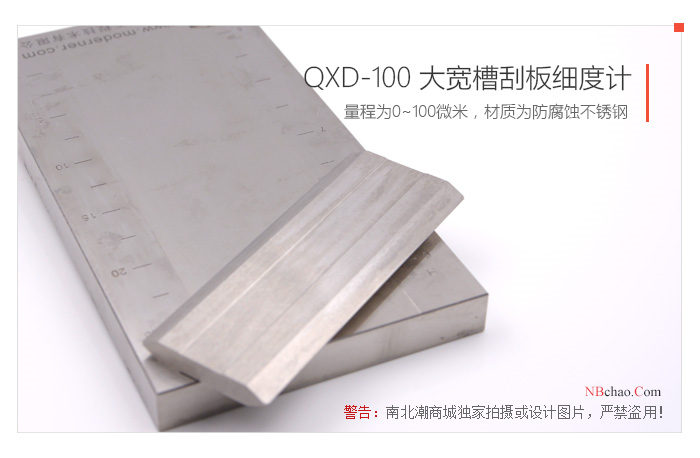
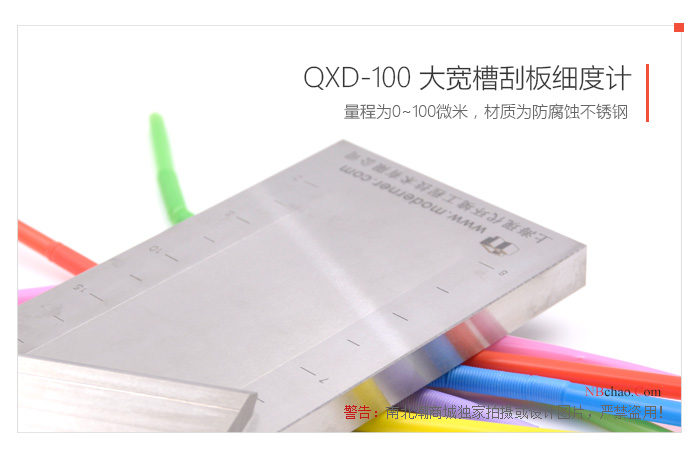
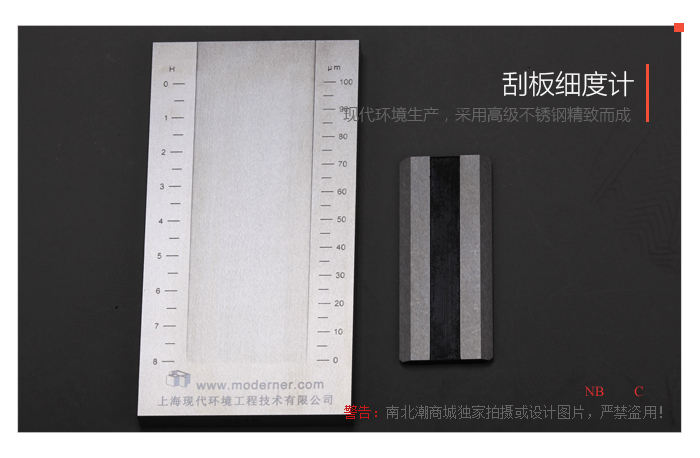
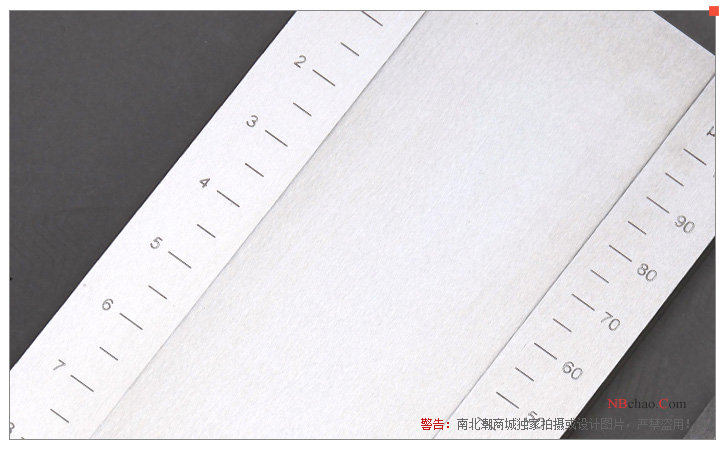
MODERNER QXD-100 ink Fineness of Grind Gauge is a large and wide slot Fineness of Grind Gauge suitable for ink, coating, paint and other industries. The width of the chute is 50.8mm. Design and produce according to the relevant industry standards of Fineness of Grind Gauge. The QXD-100 ink Fineness of Grind Gauge has a measuring range of 0~100 microns, only one groove, and the graduation value is 5mm. It is equipped with a 95mm scraper.
Features and advantages
1) The width of the larger chute is 50.8mm, and the specification of the supporting scraper is 95mm
2) The material is corrosion-resistant stainless steel
3) Application: It is mainly used to measure the particle size and degree of dispersion of pigments and impurities in paints, varnishes, inks and other liquids and slurries, expressed in microns or Hegman
4) Design standard: designed and manufactured according to JJG (chemical) 018-96 "Fineness of Grind Gauge" and GB/T1724 standard of the Ministry of Chemical Industry of the People's Republic of CHINA
Pictures
operation method
(1) Before using the QXD-100 ink Fineness of Grind Gauge, wash the scraper and the bottom with a suitable solvent, then dry it with cotton yarn, and stir the sample that meets the standard viscosity index of the product with an ink knife .
(2) In the deepest part of the groove of the QXD-100 ink Fineness of Grind Gauge , drop a few drops of the test sample, it is better to fill the groove with a little excess.
(3) Hold the scraper with the thumb, index, and middle fingers of both hands. Place it horizontally on the upper end of the wide groove Fineness of Grind Gauge, make the scraper perpendicular to the surface of the QXD-100 ink Fineness of Grind Gauge , pull the scraper from the deep part of the groove to the shallow part at an appropriate speed, so that the paint sample fills the groove and No excess paint is left on the slab.
(4) Immediately (not more than 5 seconds) after scraping, pinch the fineness plate horizontally and tilt it so that the line of sight is 15-30° to the groove plane and observe the scale value of the uniformly exposed particles in the groove. The reading value is The fineness value of the measured object.
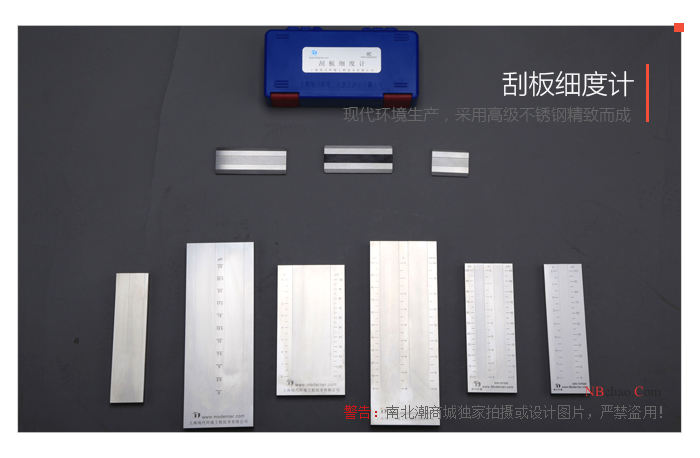
MODERNER Fineness of Grind Gauge series specification list
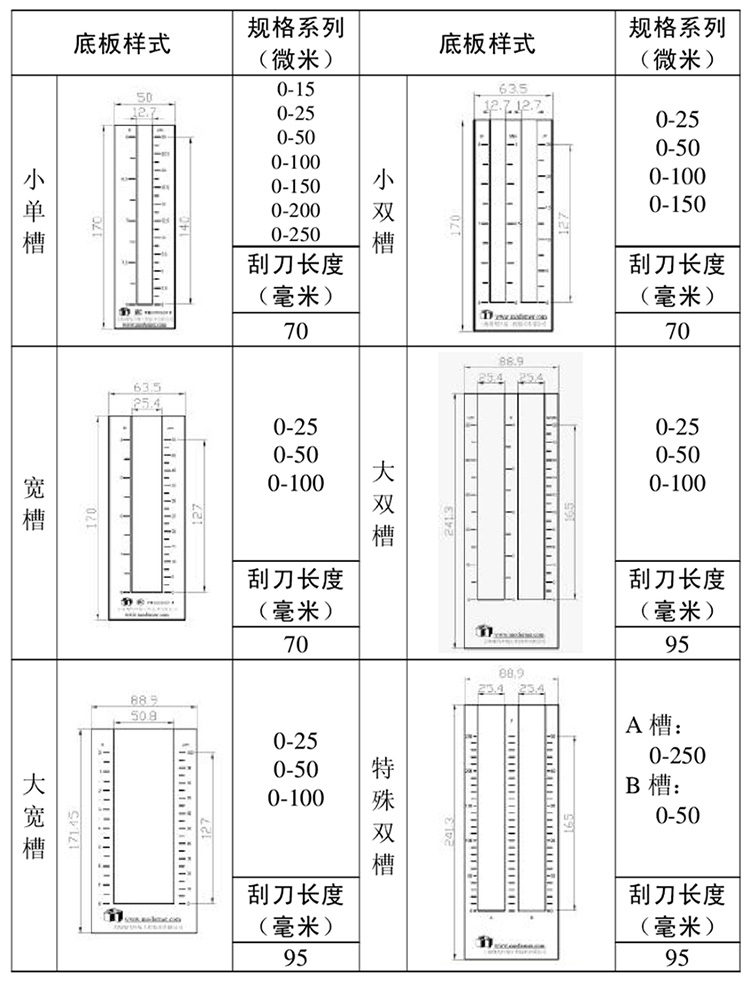
Series
| Specification | Range | Division value | Groove size | unit |
| small single slot | 0-15 | 0.75 | 12.7*140 | μm |
| 0-25 | 1.25 | Hegman/μm | ||
| 0-50 | 2.5 | |||
| 0-100 | 5 | |||
| 0-150 | 5 | μm | ||
| small double slot | 0-25 | 2.5 | Hegman/μm | |
| 0-50 | 2.5 | |||
| 0-100 | 5 | |||
| 0-150 | 5 | μm | ||
| wide slot | 0-25 | 1.25 | 25.4*127 | Hegman/μm |
| 0-50 | 2.5 | |||
| 0-100 | 5 | |||
| large wide groove | 0-25 | 2.5 | 50.8*127 | |
| 0-50 | 5 | |||
| 0-100 | 5 | |||
| Big double slot | 0-25 | 2.5 | 25.4*165 | Hegman/μm/NPIRI |
| 0-50 | 5 | |||
| 0-100 | 5 | |||
| Special double slot | 0-50 | 2 | μm | |
| 0-250 | 10 | μm |
- 1GB/T 12004.5-1992《Polyvinyl chloride plastsols.Determination of fineness of grind》
- 2GB/T 13217.5-2023《Inks drying inspection method》
- 3QB/T 4289-2012《Acrylic colour》
- 4TB/T 2260-1991《Technical conditions for supply of anti-rust primers for railway rolling stock》
- 5HG/T 5367.1-2018《Coatings for rail transit vehicles - Part 1: Waterborne coatings》
- 6HG/T 5183-2017《Water-based ultraviolet curing coatings for woodenware》
- 7HG/T 5175-2017《Water-based decorative coating for glass and ceramic products》
- 8HG/T 3369-2003《Micaceous ironoxide phenolic anticorrosive paint》
- 9ASTM D3794-2022《Standard Guide for Testing Coil Coatings》
- 10JTJ 275-2000《Corrosion Prevention Technical Specifications for Concrete Structures of Marine Harbour Engineering》