
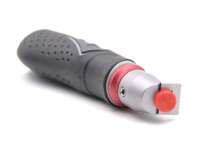
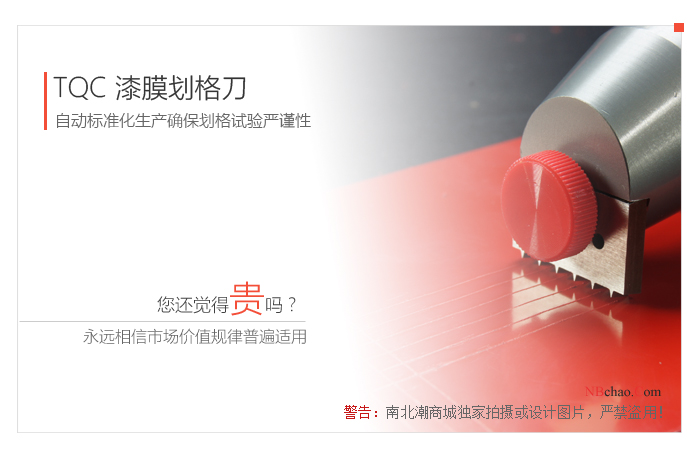
Paint film cross-cutter 6 teeth 1mm with swirl/spin pressure adjustment, replaceable ultra-high Hardness cross-cut blade
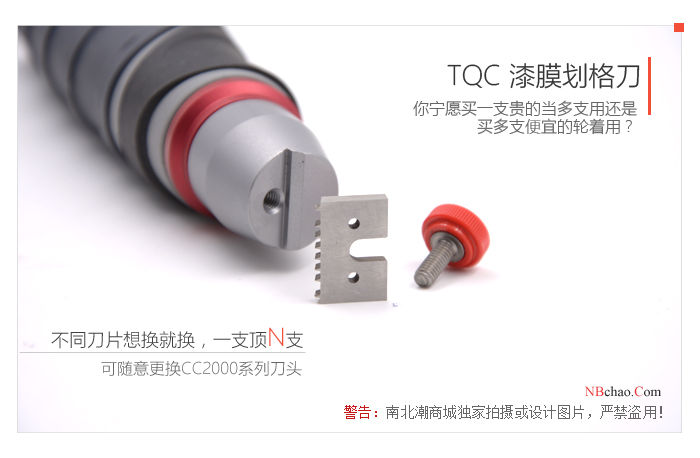
The difference between the paint film cross-cut instrument SP1660 and SP1690 is that the former is a single knife and the latter is sold as a set. Both belong to the CC2000 series paint film cross-cut instrument, with a specification of 6 teeth spacing of 1mm, equipped with pressure swirl/spin to reduce human error, blade Hardness reaches HRC 58 +/- 2
Model:

TQC sheen SPEC
TQC sheen Details
TQC sheen Packing list
- SKU
- NB001502
- Number of teeth
- 6 teeth
- Tooth spacing
- 1mm
- Application standard
- ISO2409、ASTM D3359
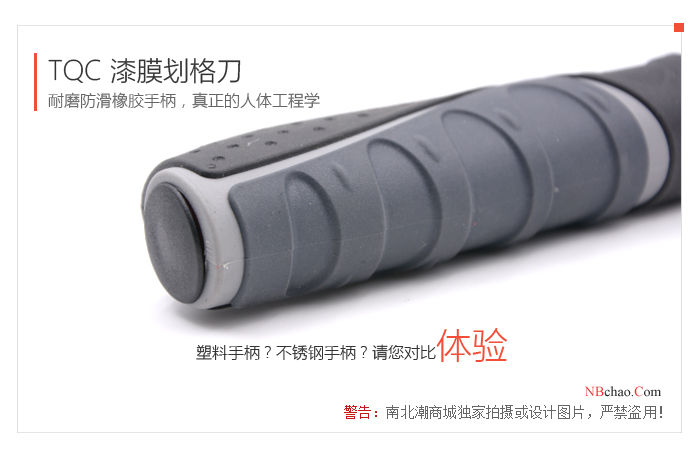
The SP1660 and SP1690 produced by TQC are both 6-tooth paint film scratchers that comply with ISO2409 and ASTM D3359 standards. The difference is that the SP1690 is in the form of a set. Compared with the SP1660, it adds 3M tape, a brush and a magnifying glass, making it more high-end in terms of packaging. .


FAQ
QIs the price listed on the website the final cost for overseas purchases?
ANo, it isn't. This is the ex-factory price of the product in the Chinese Mainland. In addition to this price, buyers from different countries need to account for additional costs such as shipping fees, tariffs, and others. For specific regional quotes, please consult our customer service or fill out a quotation form.
QWhat is the specific process for purchasing the product?
AFirst, please click on the quotation form on the website and fill in detailed information. Our customer service personnel will then send you a quotation based on your specific country and region, confirming payment and delivery methods. Following this, we proceed with contract signing, payment, and shipment. You can then await delivery.
QWhat should I do if the instrument I purchase needs repair?
AAfter-sales repair for overseas instruments is an unavoidable issue. Our repair terms stipulate that the sender is responsible for the shipping and insurance costs incurred for the repair. Repairs within the warranty period are free, while repair costs beyond the warranty period are determined based on the actual situation.
Standard
- 1JJF 2163-2024《Calibration Specification for Paint Film Scribers》
- 2SJ 20910A-2018《General specification for powder spraying coating》
- 3GB 10810.4-2012《Uncut finished spectacle lenses - Part 4: Specifications and test methods for anti-reflective coatings》
- 4HG/T 5299-2018《Optical polyethylene terephthalate(PET) transparent hardening film for indium tin oxide(ITO)》
- 5QJ 990.14-1986《Coating inspection method coating adhesion inspection method》
- 6GB/T 9286-1998《Paints and varnishes cross-cut test》