
Erichsen 290/I Coating Specific Gravity Cup Specific Gravity bottle/Density Cup
 erichsen 290/I

-
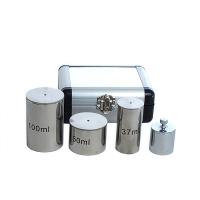 JINGKELIAN QBB-100 Coating Specific Gravity Cup 100ml, stainless steel$ 124.00SE
 -
 TQC VF2095 Pressure Density Cup Capacity 100ml$ 2730.00SE
 -
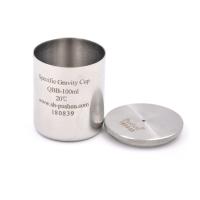 PUSHEN QBB-100 Coating Specific Gravity Cup Volume 100ml Stainless Steel$ 124.00SE
 -
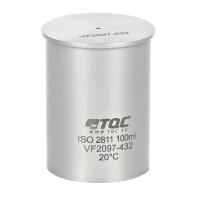 TQC VF2097 Specific Gravity Cup Aluminum Alloy Material 100ml$ 684.00SE
 -
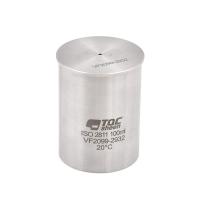 TQC VF2099 Specific Gravity Cup Stainless Steel Material 100ml$ 812.00SE





Erichsen erichsen 290/I Specific Gravity CupSPEC
Erichsen erichsen 290/I Specific Gravity CupDetails
Erichsen erichsen 290/I Specific Gravity CupPacking list
- SKU
- NB001718
- Cup Volume
- 100ml
- material
- Aluminum oxide
- Applicable standards
- DIN 53217 ASTM D 1475 VDA 621-103 ISO 2811
- Measuring temperature
- 20℃
- Certificate
- Without Certificate
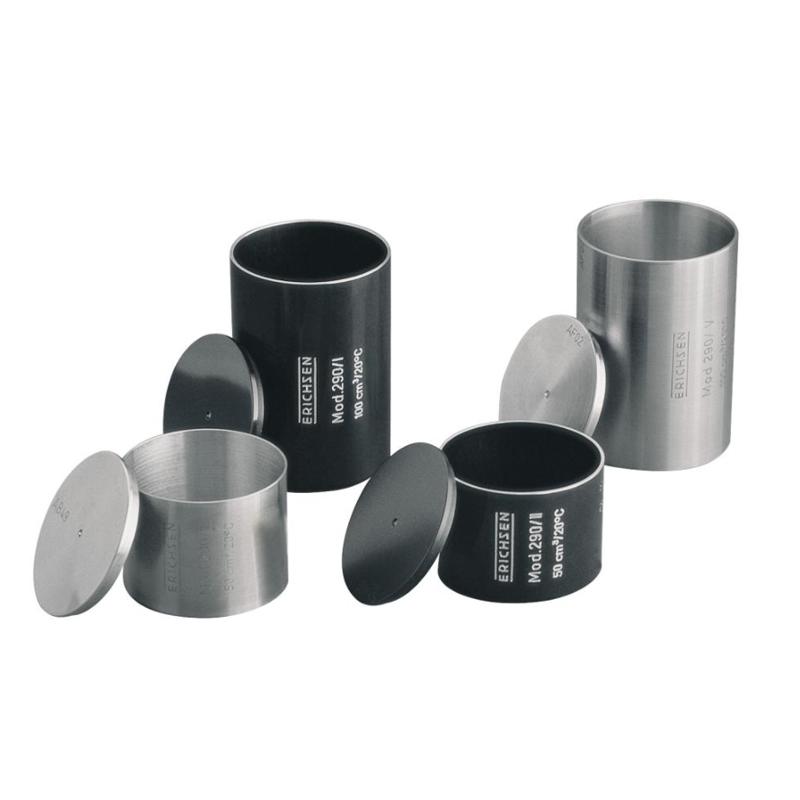
German Erichsen 290 gravity cup
Purpose and application: Gravity cups are used to measure the density of paints and other liquids and slurries.
Test principle
The density (p) of a substance is the ratio of its mass (m) to its volume (V):
Unless otherwise specified, the density of the paint is a value at 20°C, and the density at 20°C is expressed as p20°.
The density is measured by a specific gravity cup. The gravity cup is filled with liquid. The density can be calculated from the difference in the mass of the empty and full bottles and their internal volume.
Design & Utility Meter Lixin Gravity Cup consists of a container and a lid with an overflow hole. There are two different types of gravity cups:
Made of alumina
Made of stainless steel
The volume is 50cc or 100cc, respectively
A special version made of stainless steel with a volume of 83.2cc (per ASTM D 1475)
ceremonyThe error of Lixin gravity cup is 0.2%. Depending on the customer's individual requirements, the error of all instruments can be reduced to 0.1% and a certificate of comparison can be provided.
The 100cc gravity cup is a universal type. The 50cc gravity cup is mainly used for slurries as it is easier to handle in these situations.
Test the procedure
Once 20 °C is reached, weigh the pycnometer and add the sample material. Also at 20°C, allow the liquid level to reach the lower part of the highest edge, in this way to avoid air sealing inside. Gently close the lid and wipe off any excess material that has come out of the lid overflow hole. Weigh the pycnometer again. A special lid opening tool is also available as an accessory.
Please follow the formula in DIND53 217-Part 2.