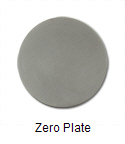
Defelsko STDZALM base plate, aluminum
 STDZALM

Defelsko STDZALM keynote boardSPEC
Defelsko STDZALM keynote boardDetails
Defelsko STDZALM keynote boardPacking list
- SKU
- NB018337
Introduction
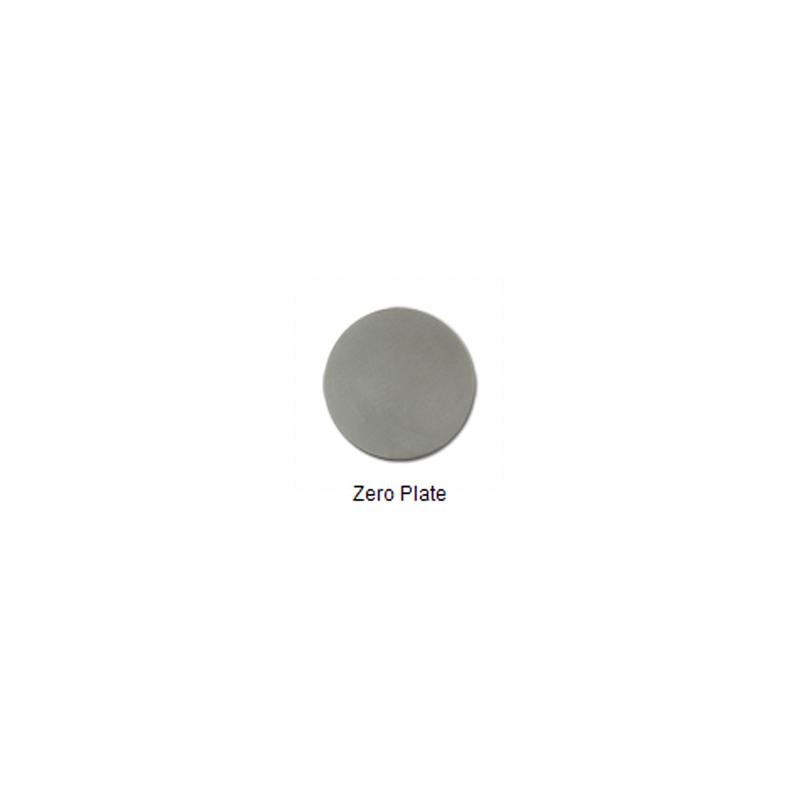
Defelsko Base Zero Plates are uncoated precision machined steel (1018 steel) or aluminum (6061-T6) plates.
Applications
1) withCoated metalCalibration plate standards are used in conjunction with each other
Coated metal calibration plates for magnetic and eddy current gauges typically include uncoated zero plates. For the first measurement, measure on the zero plate to verify that the gage is correctly measuring zero. If not, the electronic gage can usually be adjusted to "0" on the zero disk. After this adjustment, the strain gauge should be measured within the tolerances of the coating standard.
2) with calibration and noncalibrationThe plastic diaphragm and polystyrene blocks are used together
The Zero Plate provides a convenient base on which plastic gaskets and polystyrene blocks can be placed for verification. Check the zero, adjust to "0" if necessary, then place the spacer/block on the zero disc and measure.
3) As a substrate without a substrate material
Zero plates can be used to provide substrates that do not exist. Large sheets of material such as paper, plastic, fabric, and rubber can be measured with a coating thickness meter by placing the material on a zero plate. This is useful when the measurement item is too large to be accessed using a micrometer or other equipment. For example, the screen printing industry uses zero plates to measure the thickness of the "substrate" being printed.