
MODERNER ZWJ-1.5 low speed Stirrer frequency conversion speed regulation
 ZWJ-1.5

Moderner ZWJ-1.5 Low Speed Stirrer (Variable Frequency Speed Regulation)SPEC
Moderner ZWJ-1.5 Low Speed Stirrer (Variable Frequency Speed Regulation)Details
Moderner ZWJ-1.5 Low Speed Stirrer (Variable Frequency Speed Regulation)Packing list
- SKU
- NB018890
- Main motor
- 1.5 kW 940 rpm
- Pump motor
- 0.75 kW 1420 rpm
- Speed range
- 0~260rpm
- Impeller configuration
- Φ220mm
- Lifting stroke
- 280mm
- Dimensions
- 1200*600*1400mm
- Machine Weight
- 100kg
generalize
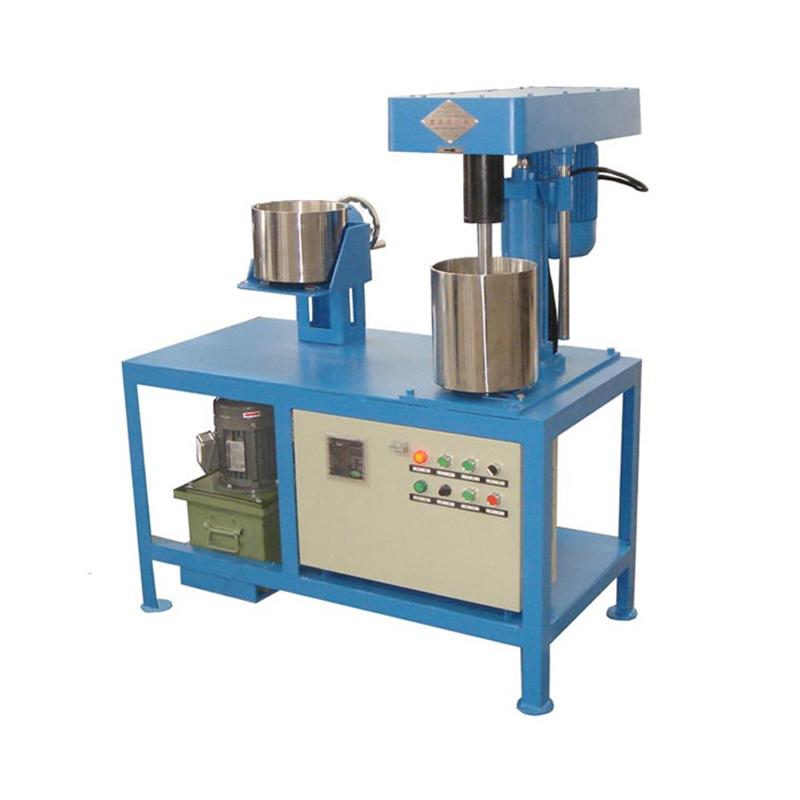
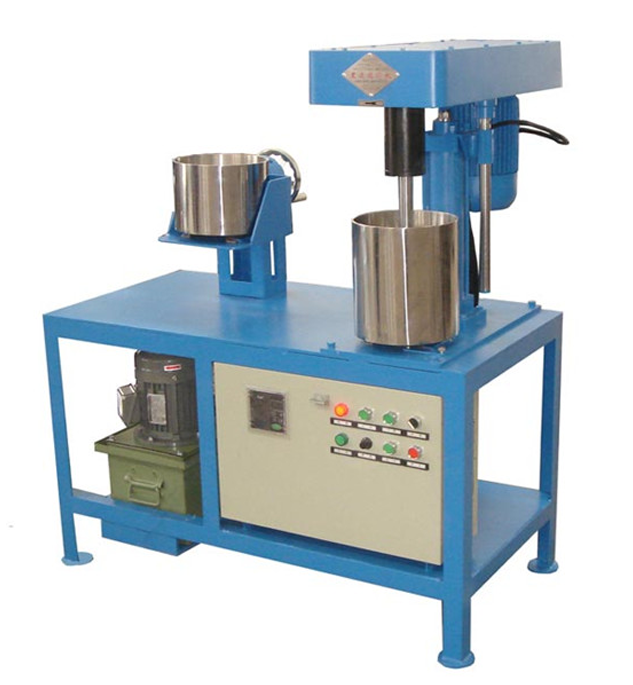
The ZWJ-1.5 low-speed mixer adopts a mixing shaft frequency conversion speed regulation, automatic hydraulic reciprocating, stainless steel stirring paddle (double-blade type) low-speed mixing structure, and is suitable for the synthesis and blending of liquid materials. This machine has the characteristics of simple structure and flexible use. It is especially suitable for use in pilot laboratories. It is also often used for small batch preparation of medium viscosity inks (such as UV inks).
This machine is used in the production process of chemical raw materials. Users should establish appropriate safety and protective measures and determine rules and regulations in accordance with relevant safety regulations before use. Safety issues related to contact with chemical raw materials should be established by the user and are beyond the scope of this manual.
Instructions
1. Inspection before work
Use the "up" and "down" buttons to make the oil cylinder move up and down several times to clear the air in the oil line to keep the oil cylinder running smoothly.
Turn the mixing shaft by hand to confirm that the mixing shaft rotates flexibly and without any obstruction.
2. Operation
The "Start" and "Stop" buttons are used to start and stop the stirring shaft. The stirring shaft speed is adjusted through the "speed adjustment" knob. The "Up" and "Down" buttons are used to manually raise and lower the stirring shaft. The "reciprocating" knob switch is used to start and stop the stirring shaft automatically reciprocating up and down (please confirm that the stirring shaft is in the lowest position before starting).
3. Automatic reciprocating operation instructions
The up and down automatic reciprocating movement of the mixing shaft of this machine is controlled by a timer. Therefore, it is necessary to ensure that the mixing shaft is in the lowest position before starting (to avoid the possibility of causing the blades to fly higher than the mouth of the material barrel). The automatic reciprocating stroke of the mixing shaft and the pause time at the lowest point are preset at the factory. If it is not suitable, it can be adjusted by adjusting the three time relays. After adjustment, please confirm that the ascending stroke and descending stroke should be consistent (otherwise, the starting and ending positions of the stroke will change greatly after multiple reciprocations, which may also cause the propeller blade to fly higher than the mouth of the material barrel).
The advantage of using the timer control method is that the original "rising stirring - falling stirring" cycle is changed into the current "bottom stirring - rising stirring - falling stirring" cycle, which is beneficial to improving the stirring efficiency.
maintenance
1. Keep the hydraulic oil clean and add and change the oil in a timely manner. Replacement depends on its cleanliness, usually once a year.
2. Keep each lubrication point lubricated. If the equipment is not used for a long time, maintenance work should be done.
3. When replacing the new triangle tape, make sure that the length is consistent to avoid uneven stress.