
Japan OSP S-16 wire brush Wire diameter 0.06mm
SE S-16
S-16

OSP S-16 Stainless steel brushSPEC
OSP S-16 Stainless steel brushDetails
OSP S-16 Stainless steel brushPacking list
- SKU
- NB021687
- Wire diameter
- 0.06mm
- number of rows
- 4 lines
- acupuncture point
- 62
- Film thickness
- 10mm
- pedestal width
- 17mm
- Pedestal length
- 235mm
- Bristle part width
- 12mm
- Bristle part length
- 75mm
- Bristle length
- 16mm
Introduction
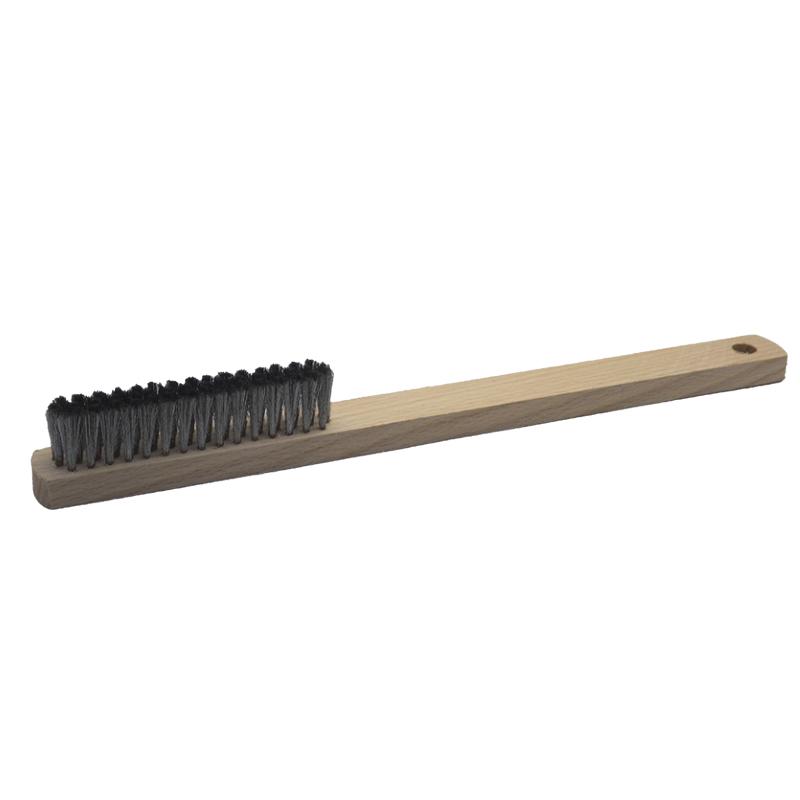
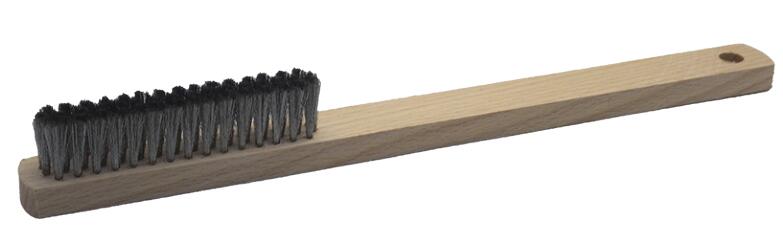
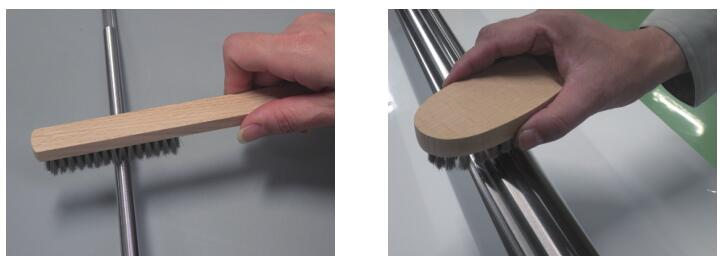
Japan OSP wire brush S-16 is used for laboratory cleaning of wire rods and production of anilox rollers. The wire brush is made of stainless steel wire with a Wire diameter of 0.06mm. The length of the bristles of S-16 is 16mm. The base of the S-16 wire brush is wooden.
main application
The anilox roller wire brush is used to clean the anilox roller, suitable for cleaning the anilox roller of the production machine, cleaning the laboratory coating wire rod, etc. The cleaning effect of the anilox roller wire brush is effective, and it does not damage the instrument
Features
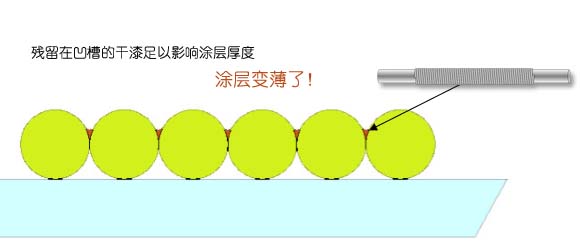
1. The stainless steel brush (anilox roller wire brush) sold on the market at present has the smallest Wire diameter of 0.07mm, and the Wire diameter of this anilox roller wire brush is only 0.06mm! Because it is fine, it can be cleaned more effectively.
2. Because the diameter of the steel wire is only 0.06mm, the bristles are super soft, which will not damage the roller surface while cleaning.
3. The anilox roller wire brush is produced in Japan. Each one is handmade by artisans with years of experience.
Instructions
1) After shutting down, first wash off the ink on the surface of the wire Bar Coater with clean water.
2) Spread the cleaning liquid directly on the surface of the anilox roller evenly, wait for about ten minutes, and then use the anilox roller wire brush to scrub the wire Bar Coater in a circular motion for 3 to 5 minutes, during which the cleaning liquid will produce some foam. After brushing, let the foam stay on the surface of the anilox roller for 3 to 5 minutes.
3) Finally, rinse off the cleaning solution with clean water. Pay attention to cleaning, do not leave cleaning fluid on the surface of the anilox roller.
4) If the wire Bar Coater is seriously blocked: Prolong the residence time of the cleaning solution and the brushing time, or repeat the above steps.