
ERICHSEN243/II-6mm Viscosity Cup
SE ERICHSEN243/II-6mm



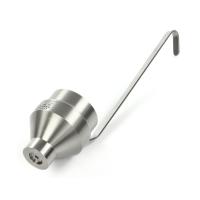

Erichsen ERICHSEN243/II-6mm Viscosity cupSPEC
Erichsen ERICHSEN243/II-6mm Viscosity cupDetails
Erichsen ERICHSEN243/II-6mm Viscosity cupPacking list

- SKU
- NB021752
- Viscosity range
- 22~2000cSt
- flow hole diameter
- 6mm
- Cup body material
- Aluminum anodic oxidation
- Filter material
- stainless steel
- Applicable standards
- Approximate DIN 53211

Introduction
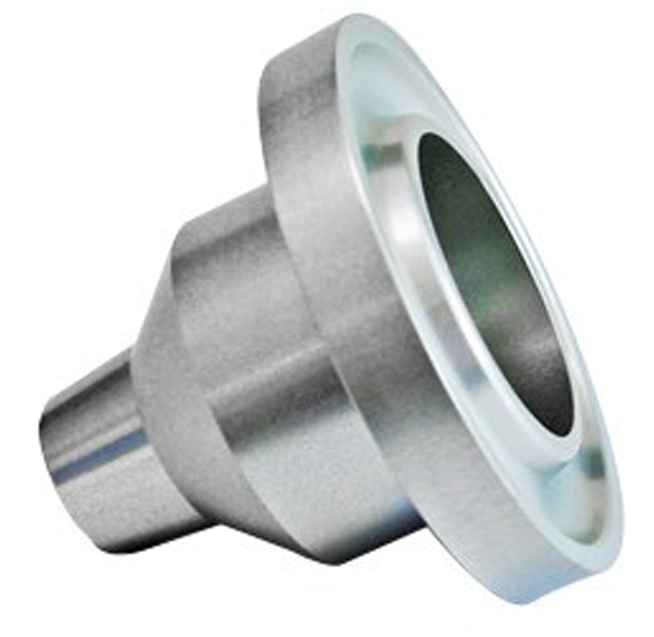
The flow-out cup is still an important measuring instrument for determining the consistency of liquids in the laboratory and in production simply and quickly. However, they are only suitable for low-viscosity liquids, but not for high-viscosity substances such as slurries, etc. Accurate results are obtained in liquids with Newtonian behavior. Usually, the spout cup itself is made of anodized aluminum, while the nozzle is usually made of stainless steel. Based on DIN 53 211
Operating Principle:
* Negotiate the level with the level
*Place the Viscosity Cup on a lab rack or in a thermostatic bath
*Close the mouthpiece
* Fill with fluid
*Scrape the glass plate along the edge of the Viscosity Cup to scrape off excess fluid and cover the glass plate over the Viscosity Cup.
* Open the nozzle
*Remove the glass plate horizontally and start the stopwatch at the same time.
* When the flow of fluid is interrupted for the first time, stop the stopwatch timer and record the time.
Details are provided in each standard. Note: The Viscosity Cup is only calibrated within the specified range and at the specified time.
Ordering Information:
Model | standard | Nozzle diameter | Measuring range (mm/s) |
243/I (phenolic) | Quite DIN53211 standard | 2mm 4mm 6mm 8mm | 22-55 90-682 300-1200 500-2000 243/II |
243/I (Aluminum anodizing) | Quite DIN53211 standard | 2mm 6mm 8mm | 22-55 300-1200 500-2000 |
243/II/4 (Aluminum anodizing) | DIN53211 SUV37110 SIS184115 | 4mm | 90-682 |
243/III (Aluminum anodizing) | ASTMD1200 | No.2 (2.5mm) No.3 (3.4mm) No. 4 (4.1mm) No. 5 (5.2mm) | 32-118 31-215 59-367 217-1185 |
243/VII (Aluminum anodizing) | ISO 2431 DIN EN ISO 2431 | 3mm 4mm 5mm 6mm | 8-42 34-135 91-325 188-684 |
- 1How to Use a Viscosity Cup for a Simple and Accurate Viscosity Test
- 2Decryption paints original juice viscosity cup, principle, application and selection
- 3Measurement accuracy and efficiency of viscosity cup