
INESA WKL-722 Dust Morphology Dispersion Tester with domestic (CN) Microscope
SE WKL-722

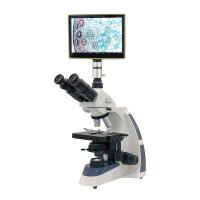
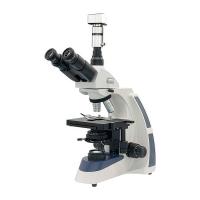
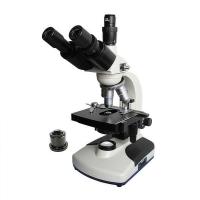
INESA WKL-722 Dust morphology dispersion TesterSPEC
INESA WKL-722 Dust morphology dispersion TesterDetails
INESA WKL-722 Dust morphology dispersion TesterPacking list
- SKU
- NB028007
- Measurement range
- 0.1~3000μm
- Total Magnification
- 8000 times
- Maximum resolution
- 0.1 micron/pixel
- Repeatability
- Error ≤ +/- 1%
- Digital Camera (CCD)
- 5 million pixels
- data storage
- Computer with additional
- communication interface
- USB
- Operating system
- Windows 98/XP/7/8/10
- Power Supply
- AC220V ±10% 200W
- Dimension
- 270mmX410mmX440mm
- Net Weight of instrument
- 15kg
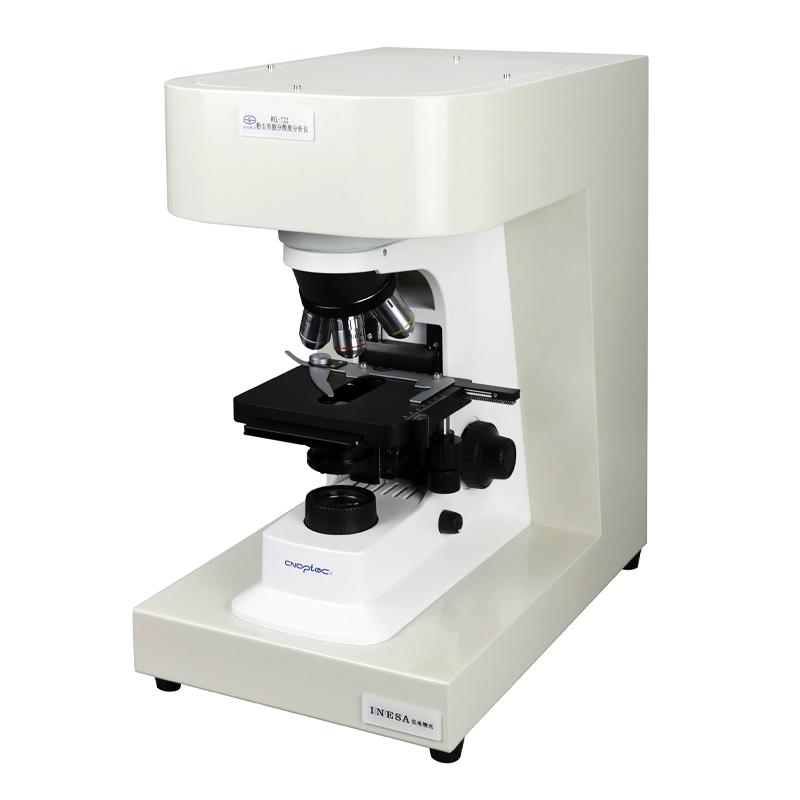
Combining traditional microscopic measurement methods with modern image processing techniques, it consists of an optical microscope, a CCD camera, a touch computer, and particle image processing and analysis software. The system transmits the image to the computer through a special digital camera, and analyzes and processes the image through the special particle image processing and analysis software, which has the characteristics of intuitive, vivid, accurate, fast and wide measurement range.
1. A variety of image processing methods: image enhancement, image overlay, local extraction, contrast, brightness adjustment, automatic segmentation and other dozens of functions.
2. The size, shape, circumference, area and uniform distribution of dust particles can be directly calculated and analyzed, and the particle size distribution is defined into four regions in full accordance with the national standards, namely: ≤2um, 2um~5um, 5un~10um, >10um, and the test report can be directly output, and custom classification can also be carried out according to user requirements. The operation method is simple, practical and fast, and the calculation results are accurate.
3. Through professional camera technology, not only can the prototype of dust particles be maintained, but also the image segmentation technology is used in the treatment method of overlapping dust, which is a qualitative leap in the determination of dust dispersion.
Serial models
| Model | name of article | disposition |
| WKL-702 | Particle image analyzer | Configuration 1: Chinese microscope |
| Configuration 2: Imported microscope | ||
| WKL-708 | Smart particle image analyzer | Configuration 1: Chinese microscope |
| Configuration 2: Imported microscope | ||
| WKL-722 | Dust topography dispersion Tester | Configuration 1: Chinese microscope |
| Configuration 2: Imported microscope | ||
| WKL-728 | Intelligent dust topography dispersion Tester | Configuration 1: Chinese microscope |
| Configuration 2: Imported microscope |