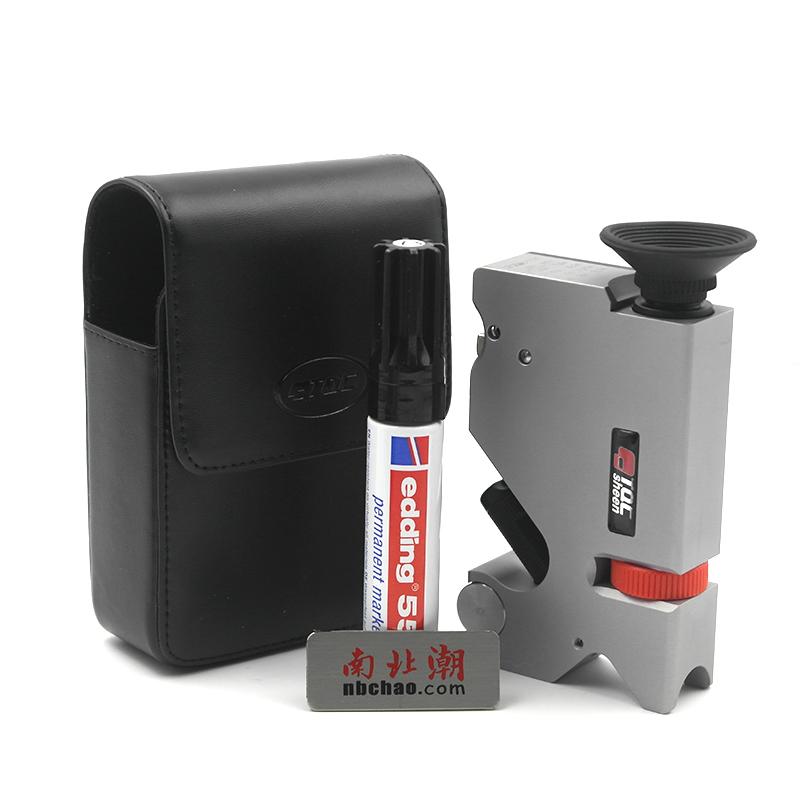
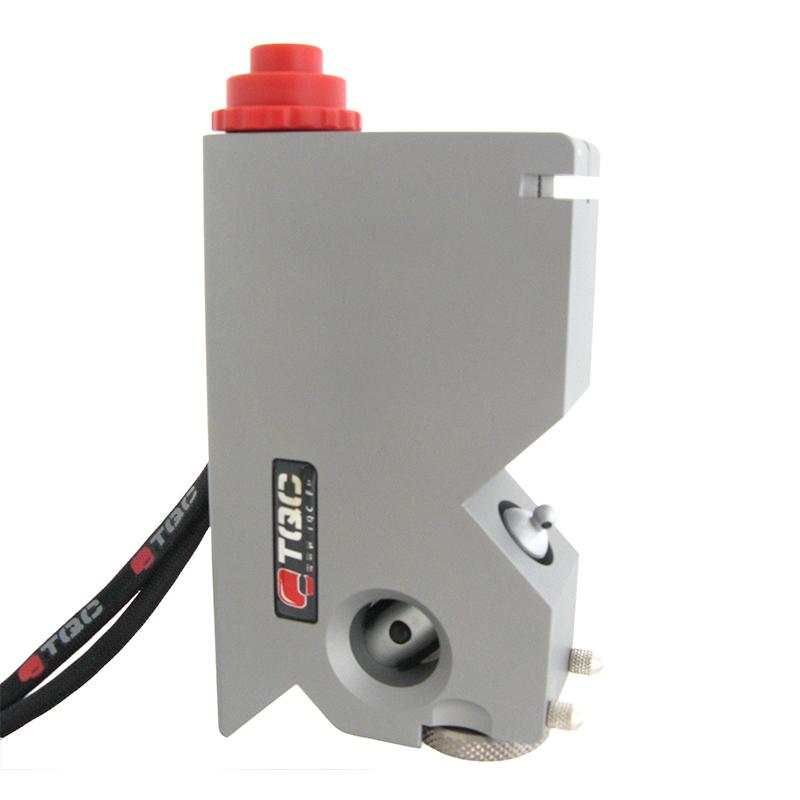

TQC SP1100 Destructiveness Thickness Gauge, destructive coating thickness Detector
SE SP1100

TQC sheen SP1100 Thickness GaugeSPEC
TQC sheen SP1100 Thickness GaugeDetails
TQC sheen SP1100 Thickness GaugePacking list

- SKU
- NB000322
- Measurement principle
- destructive
- Measurement range
- 2~1800μm
- Power
- 4 * AA 1.5V battery
- Standards
- ISO 2808、ASTM D4138-0
- Machine size
- 25*110*65mm
- Microscope
- 50X scale Microscope
- Shell material
- Titanium, aluminum anodic oxidation

Introduction
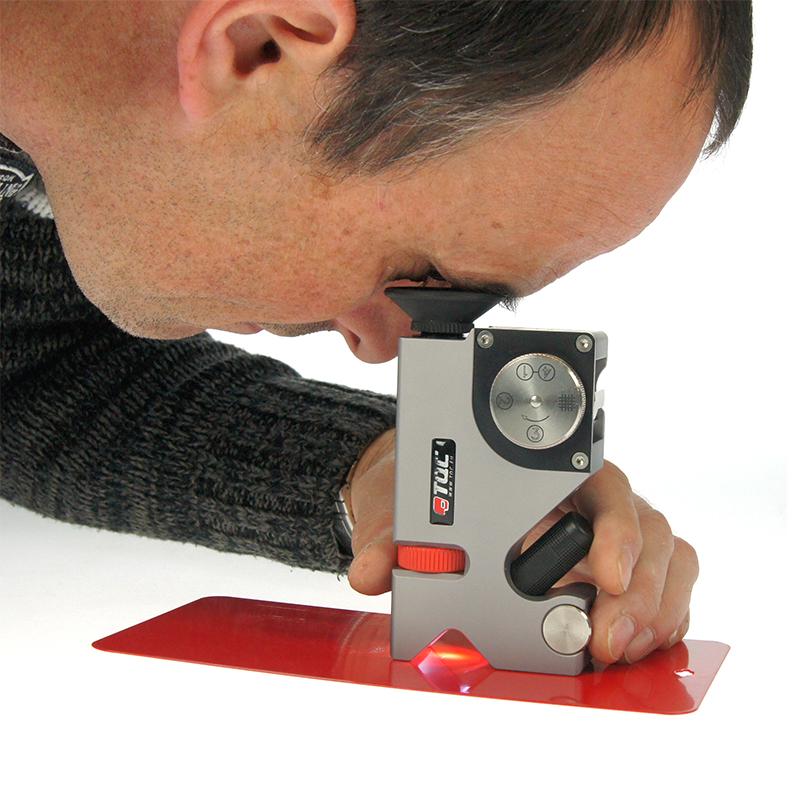
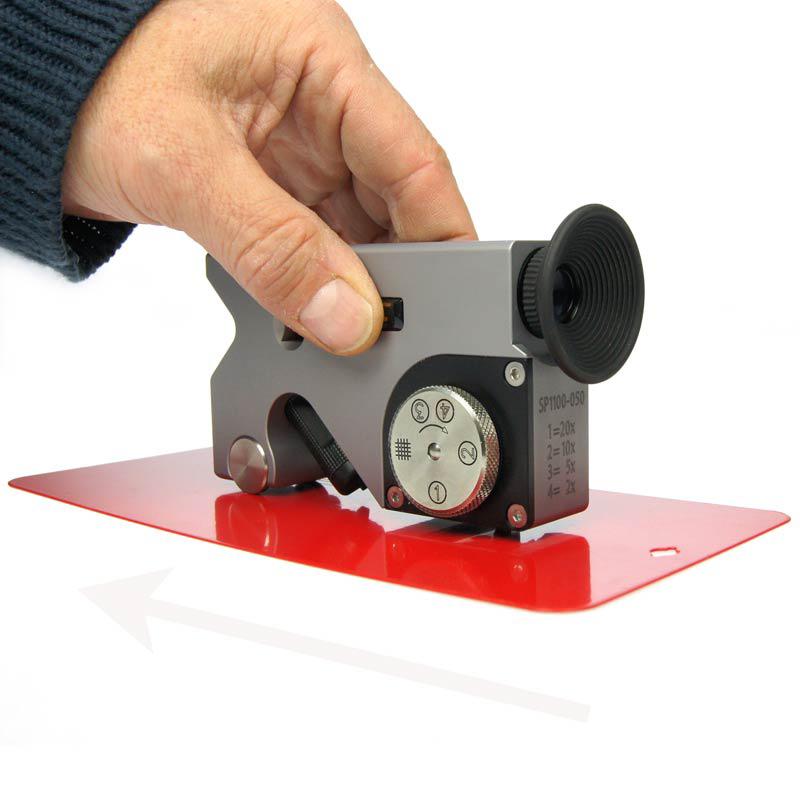
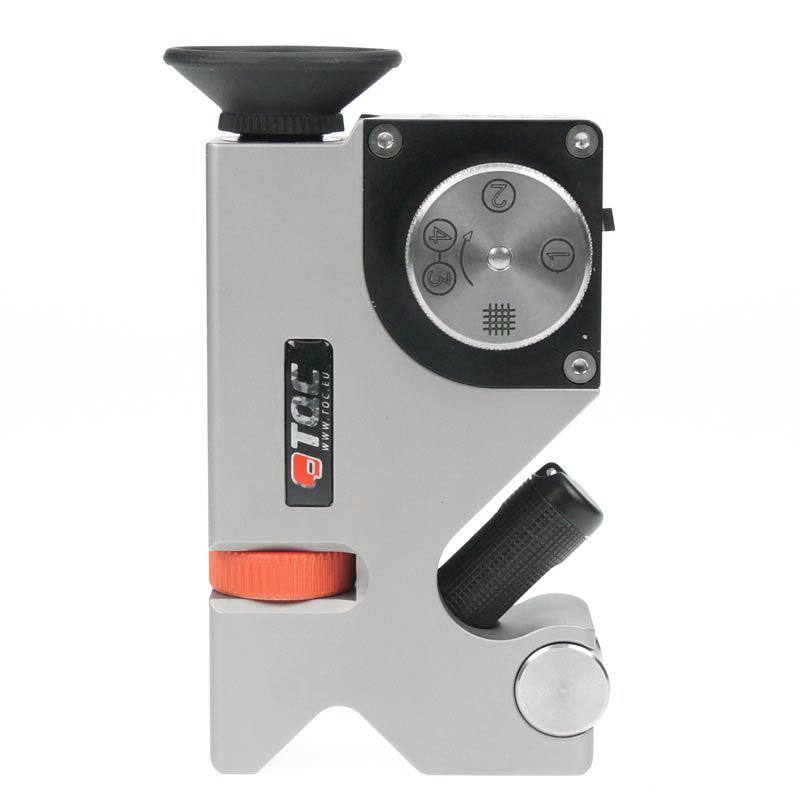
The TQC SP1100 destructive Thickness Gauge can be used on almost all substrates. The method of use is very simple. You only need to cut a small opening in the coating and use the built-in microscope to observe the data of the network cable. The TQC SP1100 Destructive Thickness Gauge is a very stable instrument that also has a good focusing microscope. The microscope operates on dual scales (millimeters, inches) and can calculate down to microns and mils. It is better to observe in a weak natural light environment, because when observing through the microscope through the specimen, you will have a better focus effect on the specimen.
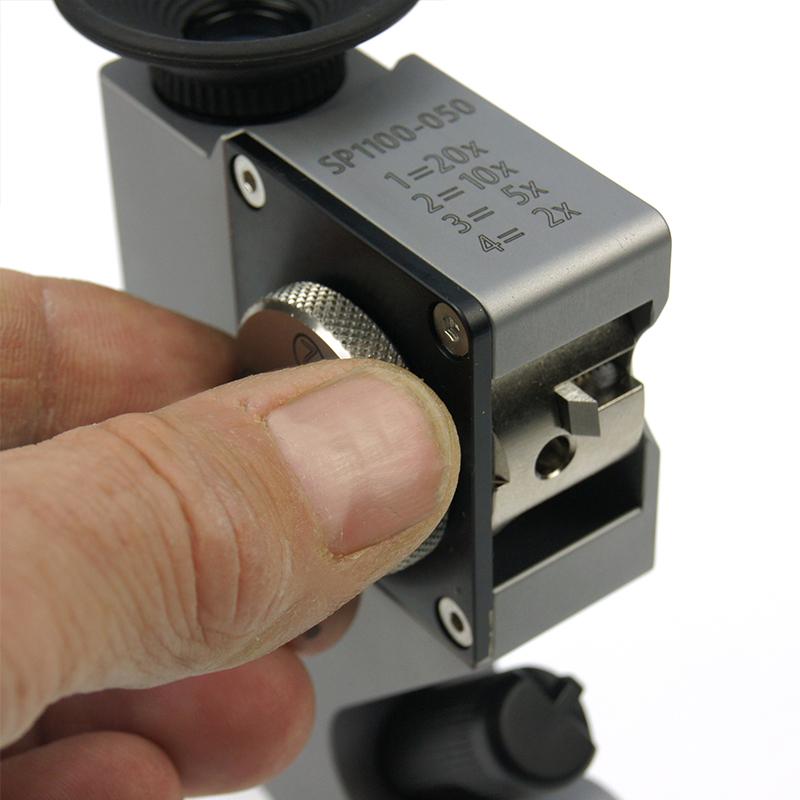
TQC SP1100 destructive Thickness Gauge is a precision destructive measuring instrument made of titanium and aluminum. It is mainly used to check and measure the coating thickness of single or multiple substrates (in fact all), including: wood, plastic, metal wait. Defects in substrates and coatings can also be evaluated and measured. A small incision is made on the Super-PIG recoating, and the incision is measured with the help of an LED illumination microscope measuring grid. Reduce calculations. The unique rotating system contains three stainless steel cutters and a cross cutter.
Specifications
| model | SP1100 |
| weight | 60g |
| diameter | 48mm |
| high | 14mm |
Application
Measure coating thickness on single or multiple substrates (in fact all), including: wood, plastic, metal, etc.
Product actual pictures


Accessories
| blade | Stainless steel | scope | |
| ISO 2808 | 1 | SP1111 | 20-2000µm |
| 2 | SP1112 | 10-1000µm | |
| 3 | SP1113 | 5-500µm | |
| 4 | SP1114 | 2-200µm | |
| ISO/DIN 2409 | 6 teeth, 1mm spacing | SP1702 | <60µm (hard substrate) |
| crosscut | 6 teeth, 2mm spacing | SP1703 | ï¼60µm (soft substrate)ï¼61-120µm |
| 6 teeth, spacing 3mm | SP1704 | 121-250µm | |
| ASTM 3359 | 11 teeth, 1mm spacing | SP1705 | 0-50µm |
| crosscut | 11 teeth, pitch 1.5mm | SP1706 | 50-125µm |
Take you into the Dutch TQC

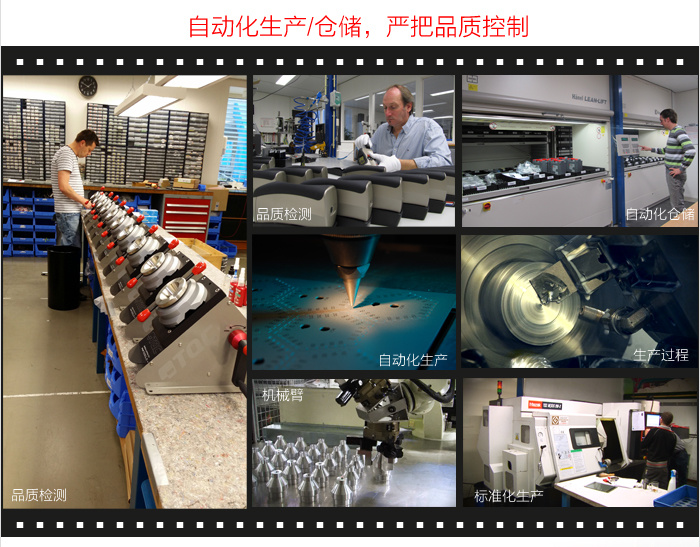
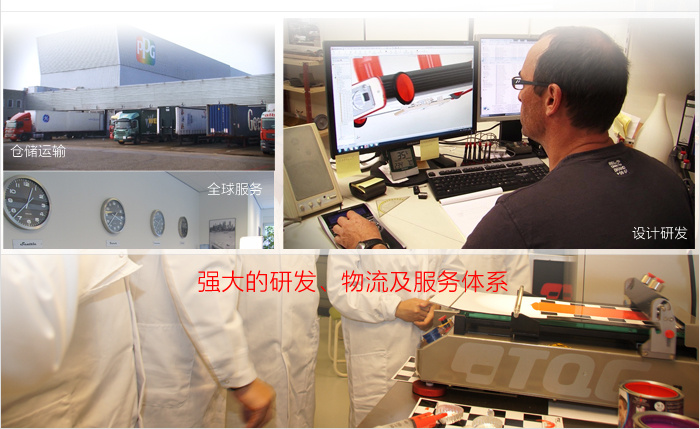
- 1Destructive dry film thickness test and non-destructive dry film thickness test which is good? What standard is applied?
- 2Nondestructive measurement Coating thickness
- 1GB/T 1727-2021《General methods for preparation of coating films》
- 2HG/T 20720-2020《Construction and acceptance specification of waterborne anti-corrosion coatings for steel structures in industrial buildings》
- 3ASTM D5796-2020《Standard Test Method for Measurement of Dry Film Thickness of Thin-Film Coil-Coated Systems by Destructive Means Using a Boring Device》
- 4JTJ 275-2000《Corrosion Prevention Technical Specifications for Concrete Structures of Marine Harbour Engineering》
- 5ASTM B487-2020《Standard Test Method for Measurement of Metal and Oxide Coating Thickness by Microscopical Examination of Cross Section》
- 6ASTM B578-2021《Standard Test Method for Microindentation Hardness of Electroplated Coatings》
- 7ASTM B748-2021《Standard Test Method for Measurement of Thickness of Metallic Coatings by Measurement of Cross Section with a Scanning Electron Microscope》
- 8ISO 2808-2019《Paints And Varnishes - Determination Of Film Thickness》
- 9GB/T 9286-1998《Paints and varnishes 一 Determination of density》
- 10ASTM D1005-95-2020《Micrometering for the measurement of dry-film thickness of organic coatings》