
HUAHAN HH-DJ100 Pulp Freeness Tester
 HH-DJ100

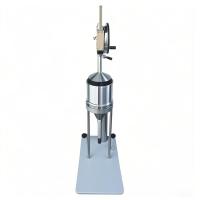
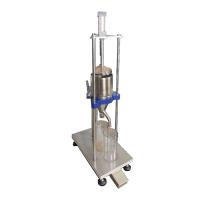
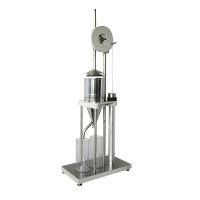

huahan HH-DJ100 Pulp Freeness TesterSPEC
huahan HH-DJ100 Pulp Freeness TesterDetails
huahan HH-DJ100 Pulp Freeness TesterPacking list

- SKU
- NB032834
- Measurement range
- 0~100°SR
- Measuringflask Graduation
- 1°SR
- Overflow outlet discharge time
- 149±1s
- residual Volume
- 7.5~8.0ml
- Dimensions
- 450*250*1220mm
- Weight
- About 40kg
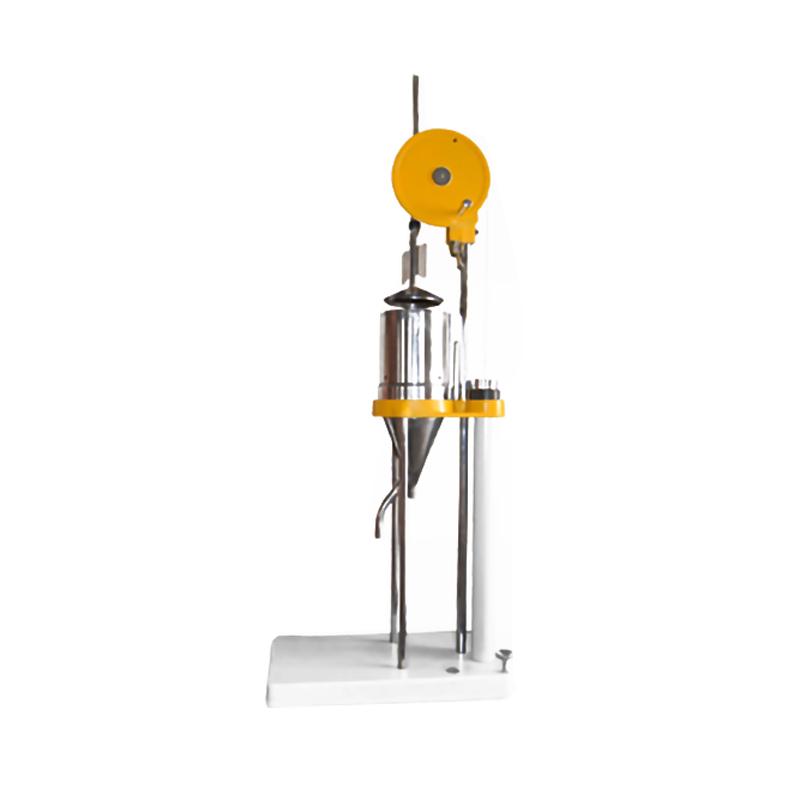
Introduction
Pulp Freeness Tester (also known as percussion degree Tester, percussion degree meter, percussion instrument, pulp beating, beating, Freeness Tester) is a special instrument for measuring the water filtration performance of pulp. The product is designed according to the Schauber-Rigler method to measure the water filtration capacity of diluted pulp suspensions, i.e. the determination of the degree of beating. Its main technical indicators and performance parameters are in line with the relevant provisions of national standards.
Features
1. The appearance structure is simple and the operation is simple.
2. The pouring chamber (cup) of the instrument is made of pure copper, and the surface is electroplated - so the appearance is silvery-white, at present, most manufacturers on the domestic (CN) market are made of steel or stainless steel to pour into the chamber (cup), and then the surface is electroplated, the two look similar in appearance, but because the pulp has a certain corrosiveness, in the long-term use of the process of pure copper can be made of real anti-corrosion and rust, and steel or stainless steel will be corroded and rusted, thus affecting the use.
3. Use the three-legged leveling mechanism to adjust the centering of the sealing cone to ensure the tightness of the sealing cone and the cylinder.
Enforce the standard
GB/T 3332, ISO 5267.1, QB/T 1054 and other related standards.
- 1Pulping process and equipment in paper preparation
- 2What is the difference between the free meter and the pulp beating meter?
- 3How to self-test the beating meter?
- 4Papermaking Process: The Difference Between Wet and Dry Process
- 5What is paper synthetic pulp
- 1QB/T 1054-2004《Pulps-Tester of beating degree》
- 2GB/T 43393-2023《Recycled pulp》
- 3GB/T 24322-2009《Bleached sulphate bamboo pulp》
- 4GB/T 24321-2009《Unbleached sulphate softwood pulp》
- 5JJG (轻工) 53-2000《Verification Regulation of Beating Degree Tester for Pulps》
- 6JJG (轻工) 74-2000《Laboratory VALLEY Freeness Tester》