

RDS 40 #3/8 "thin layer plate Coating Applicator 91.4 μm manual Coating Applicator
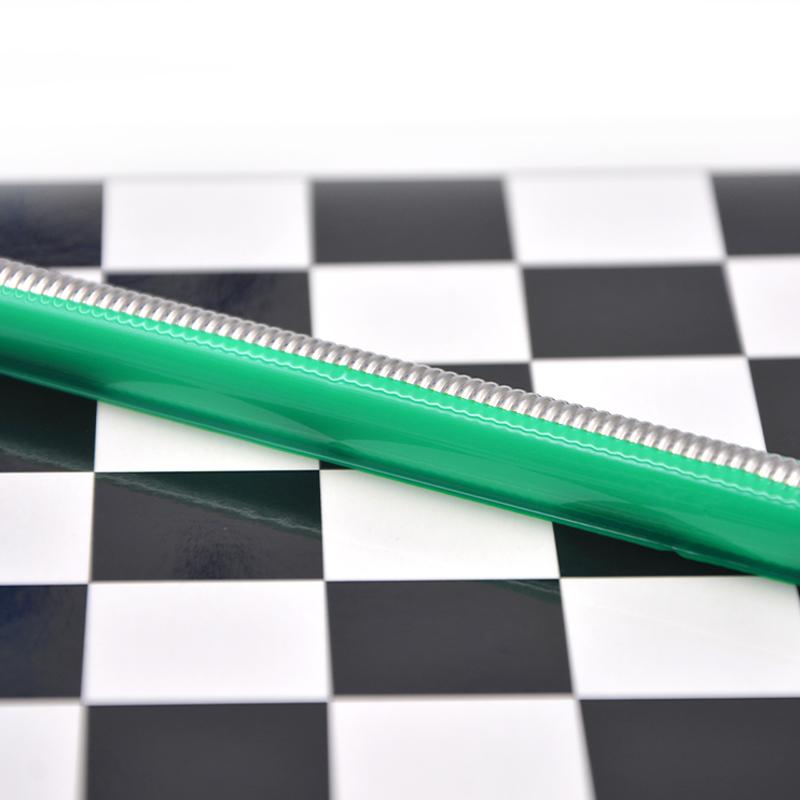
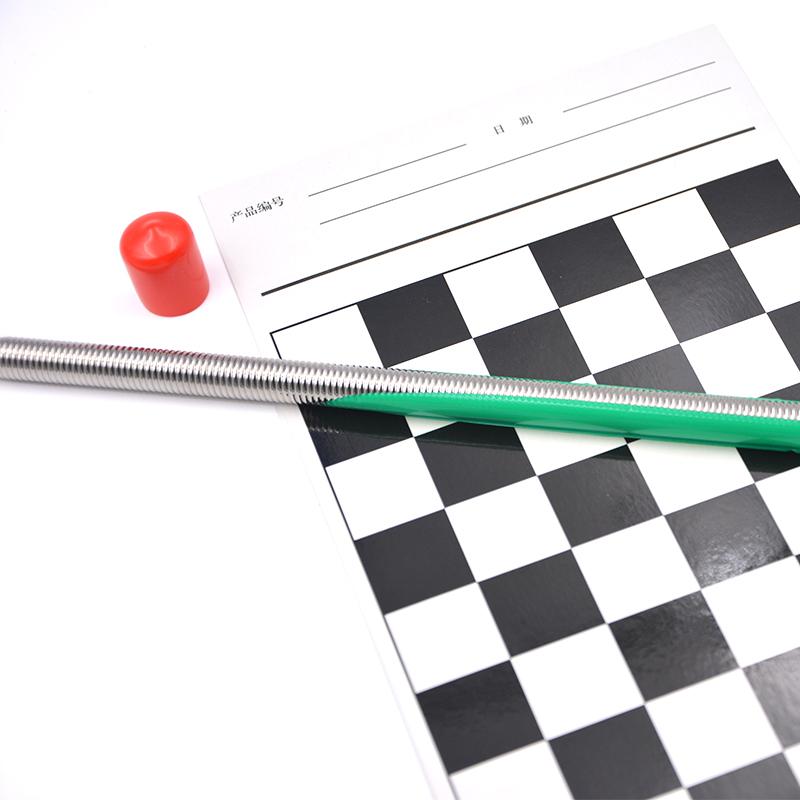
SEProduction process is formed, wet film thickness 91.4 μm, diameter 9.52mm, Total length 400mm, Spreader width 300mm, material stainless steel.
$162.00/piece
PromotionLoading...
Coupon
Model:
 40# 3/8"

Similar products
-
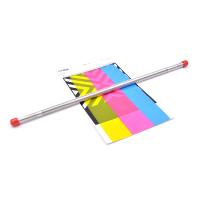 RDS 40 #3/8 "Mayer Rods WFT 91.4μm Length 400mm$ 162.00SE
 -
 RDS 40 #1/2 "Spreader film thickness 91.4μm Wire diameter 1.02mm$ 181.00SE
 -
 RDS 40 #1/4 "Gravure ink Applicator rod film thickness 91.4 μm rod diameter 6.35mm$ 156.00SE
 -
 RDS 40 #1/4 "wire-wound Applicator rod film thickness 91.4μm Wire diameter 1.02mm$ 156.00SE




RDS 40# 3/8" Applicator rod 3/8 "SPEC
RDS 40# 3/8" Applicator rod 3/8 "Details
RDS 40# 3/8" Applicator rod 3/8 "Packing list

- SKU
- NB033722
- Production process
- Formed
- WFT
- 91.4μm
- diameter
- 9.52mm
- Total length
- 400mm
- Application width
- 300mm
- material
- stainless steel
40# 3/8"
Applicator rod 3/8 "
Production process is formed, wet film thickness 91.4 μm, diameter 9.52mm, Total length 400mm, Spreader width 300mm, material stainless steel.

The RDS 40# 3/8" thin layer coater is a manual coater for laboratory use, with a diameter of 9.5mm, which can be used on a small laboratory coater for automatic coating, and the RDS coater has good wear resistance and can be used for high abrasion experimental coating proofing. With a coating thickness of 91.4 μm and an accuracy of up to 0.1 microns, RDS 40# wire rod can be used for multi-layer coating and is suitable for coating paper, glass and film substrates.


FAQ
QWhat is the difference between the same 3/8 "diameter round Mayer-Rod and this molding rod? Can it be replaced?
A
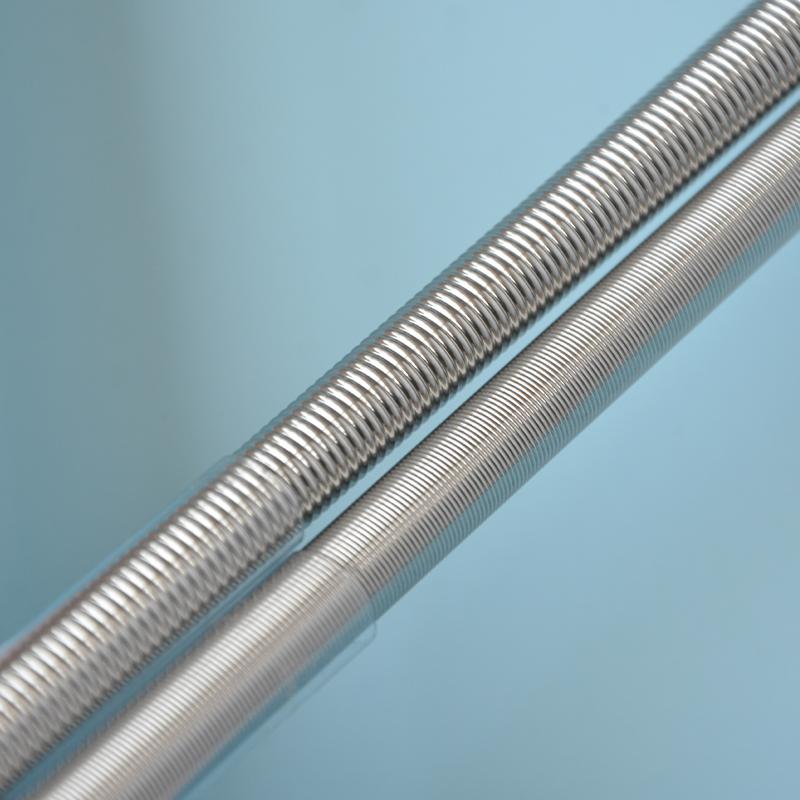
The main difference between the Mayer-Rod and the molding rod is the different process of groove formation. The wire rods of the same specification and different processes can be replaced by each other, and the wet film thickness is the same. The difference is because the groove shapes of the two are different (the molding is U-shaped groove, and the winding wire is V-shaped groove). The calculation of the Spreader amount is different, and the relative molded Spreader amount will be more. There is no difference for laboratory use.
QMoulding rod is better for winding or extrusion?
A
In theory, the Moulding effect is the same. The extrusion U-groove is relatively easy to clean, but it requires high asperity on the inner wall of the groove. The winding follows the Mayer principle, and the scraping is smoother. If used for pre-production Measurement, the extrusion Spreader is larger than the winding. The same film thickness was prepared in the laboratory, and the effect was the same.
QCan this cable stick be matched with a Film Applicator?
A
Whether it can be matched with the Film Applicator depends on the film width of the Film Applicator. Most Film Applicator film widths on the market are less than 40cm, and the rod diameter is less than 10mm, so it is suitable. But if the Film Applicator is specially customized, or the width exceeds 40cm, you need to choose a longer rod. For customization, please consult NBchao.
QDo you support customization? Such as wet film thickness and length?
A
Spreader rod length and main rod diameter support customization, but wet film thickness RDS has provided dozens of specifications covering more than 200 microns, and in principle does not accept customization.
Standard
- 1YS/T 680-2016《Powder for coating aluminium alloy extruded profiles for architecture》
- 2HG/T 2006-2006《Thermosetting powder coatings》
- 3GB/T 34676-2017《Interior wall coatings for children's room decorating》
- 4GB/T 1727-2021《General methods for preparation of coating films》
- 5GB/T 7044-2022《Colour carbon black》
- 6HG/T 20720-2020《Construction and acceptance specification of waterborne anti-corrosion coatings for steel structures in industrial buildings》
- 7HG/T 5370-2018《Waterborne coatings for bicycles》
- 8HG/T 3355-2003《Various colour nitrocellulose primer》
- 9HG/T 3951-2007《Water based colorants for architectural coatings》
- 10HG/T 3948-2007《Hot Melt Adhesives for Sanitary napkin & Panty liner》