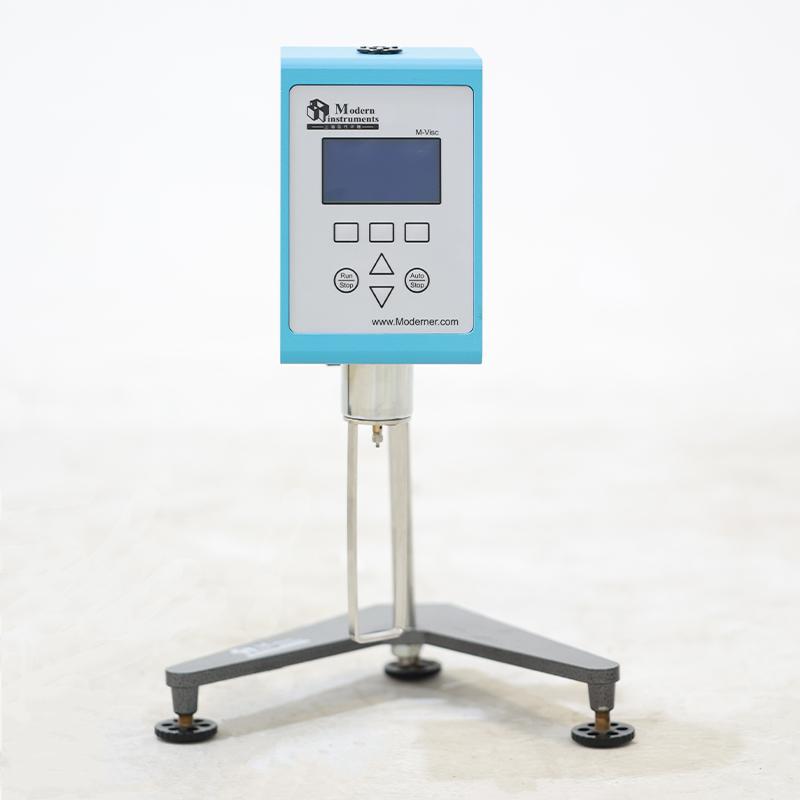
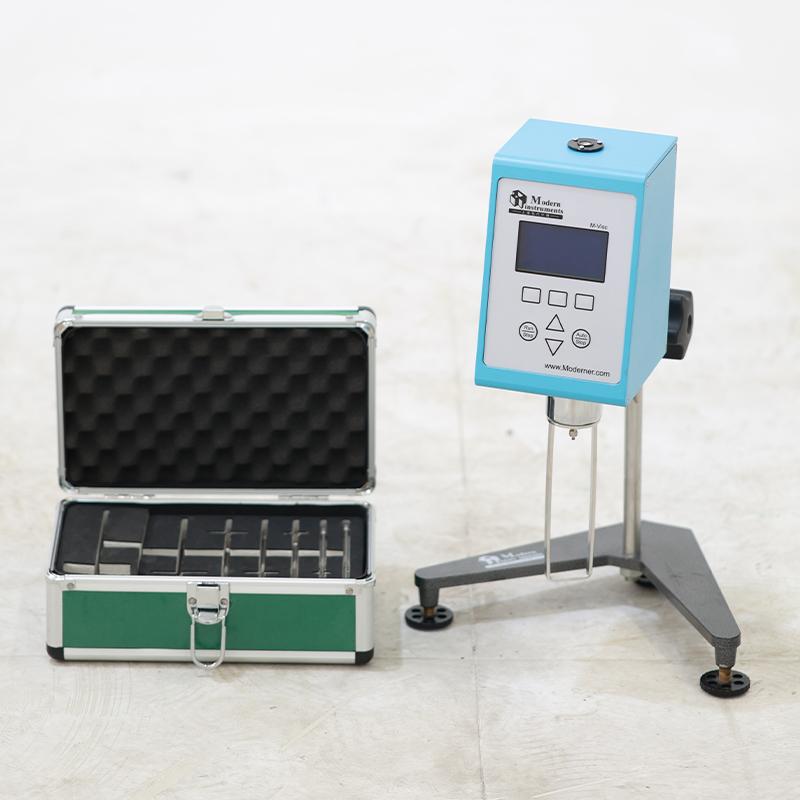
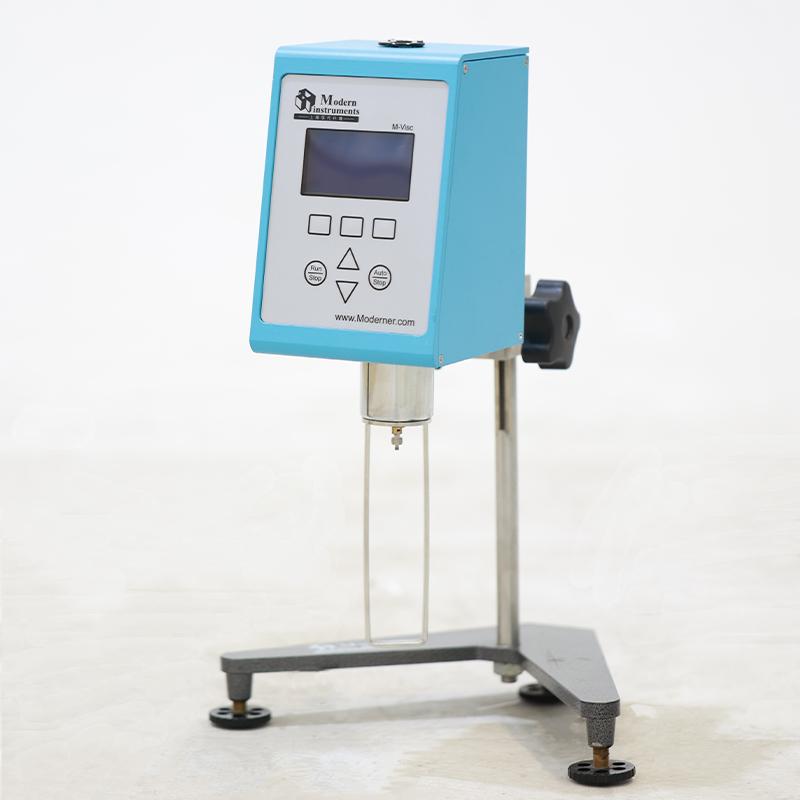

MODERNER DVL-I Rotational Viscometer 2 million cP
 DVL-I
DVL-I

Moderner DVL-I Rotational viscoMeterSPEC
Moderner DVL-I Rotational viscoMeterDetails
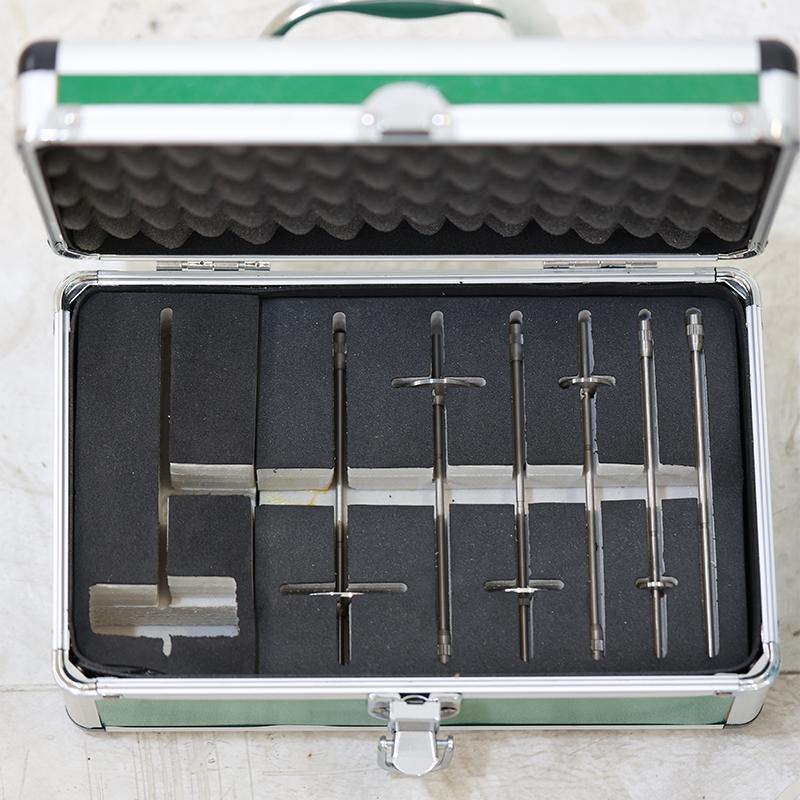
Moderner DVL-I Rotational viscoMeterPacking list

- SKU
- NB038425
- Power
- DC24V 60W
- External power adapter input Power
- AC110-220 50/60Hz
- Measurement range
- 15~2000000mPa.s
- Rotor speed
- 0.3/0.6/1.5/ 3/6/12/30/60rpm
- Rotor specification
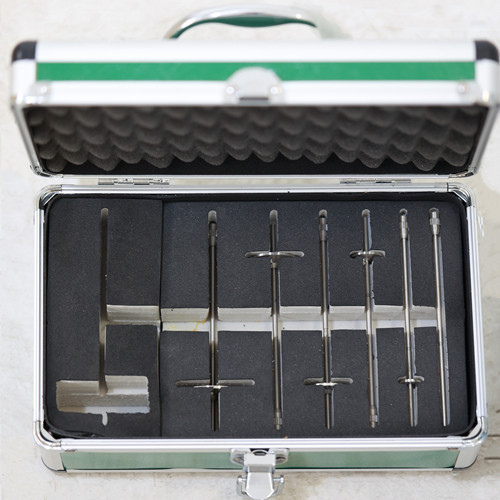
- L1#、L2#、L3#、L4#
- Temperature probe Measurement Range (optional)
- -55~125℃
- Serial output
- 9-Pin RS232 interface 2400bps
- Host size
- 300*300*400mm
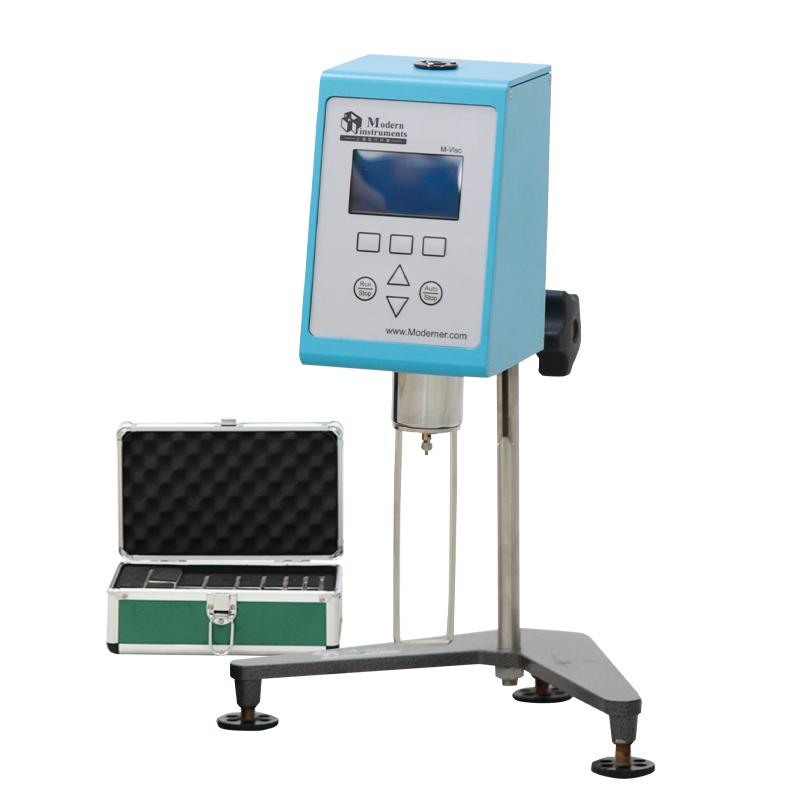
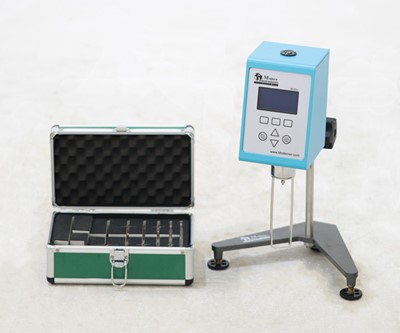
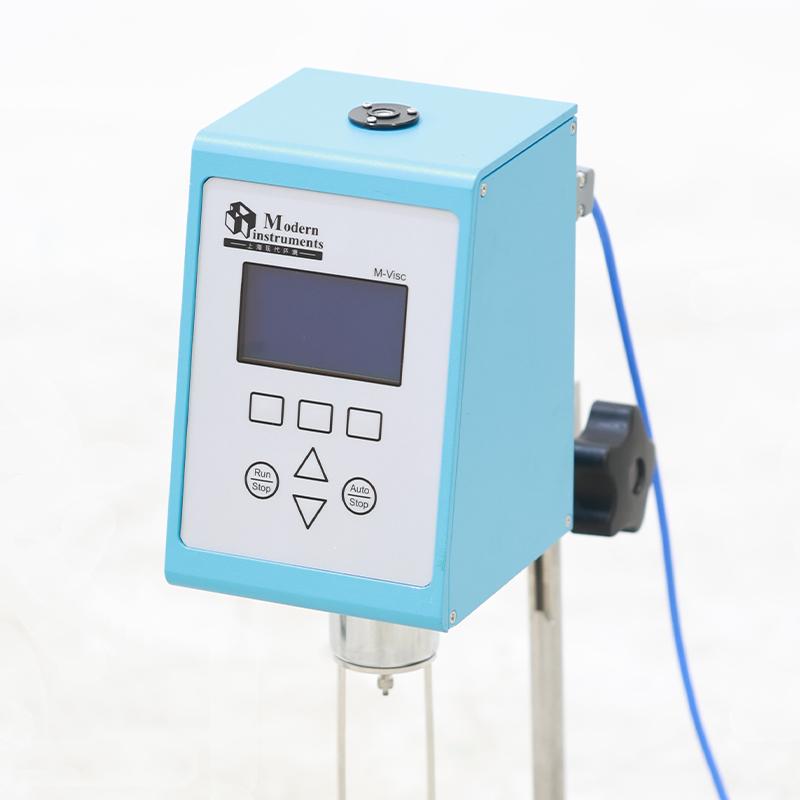
A Rotational Viscometer is a commonly used instrument for measuring fluid dynamic viscosity. Dynamic viscosity is a measure of fluid flow resistance, commonly used in mPa.s (or cPs). 1Pa.s=10Ps, 1mPa.s=1cPs. The Principle of the DVL-I Rotational Viscometer is to drive the spindle through a calibrated torsion spring. The spindle drives the rotor immersed in the test fluid to rotate. The viscous resistance of the fluid to the rotor is obtained by measuring the deflection of the torsion spring. The measurement range of the DVL-I Rotational Viscometer is determined by the spindle speed, rotor specification (number) and torsion spring full-scale torque. The DVL-I Rotational Viscometer is driven by a stepper motor, has an LCD display, membrane button operation, and can be equipped with an optional temperature probe for measuring ambient temperature and sample temperature.