
JINHE XR-14 Latex high-speed mechanical stability Tester
SE XR-14
XR-14

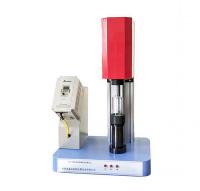
JinHe XR-14 High speed machine stabilizerSPEC
JinHe XR-14 High speed machine stabilizerDetails
JinHe XR-14 High speed machine stabilizerPacking list
- SKU
- NB038966
- Conditions of use
- Temperature 10 ℃~ 40 ℃, Humidity < 85% RH
- Stirring speed
- 14000rpm±200rpm
- latex container
- Glass barrel with flat bottom, height > 100mm, inner diameter 58mm, outer diameter 63mm.
- Stirring rod low end diameter
- 6.3mm
- Stirring plate
- Diameter 36.12 +/- 0.03mm, Film thickness 1.57 +/- 0.05mm (suitable for synthetic latex); Diameter 20.83 +/- 0.03mm, Film thickness 1.57 +/- 0.05mm (suitable for natural latex)
- Error of indication
- ≤0.1%
- Measurement resolution
- 1 r/min
- Display
- Inverter LED display
- Maximum speed
- 20000r/min
- Minimum speed
- 2000r/min
- Power
- 220V±10%、50HZ、1500W
- Dimensions
- 400mm×350mm×720mm
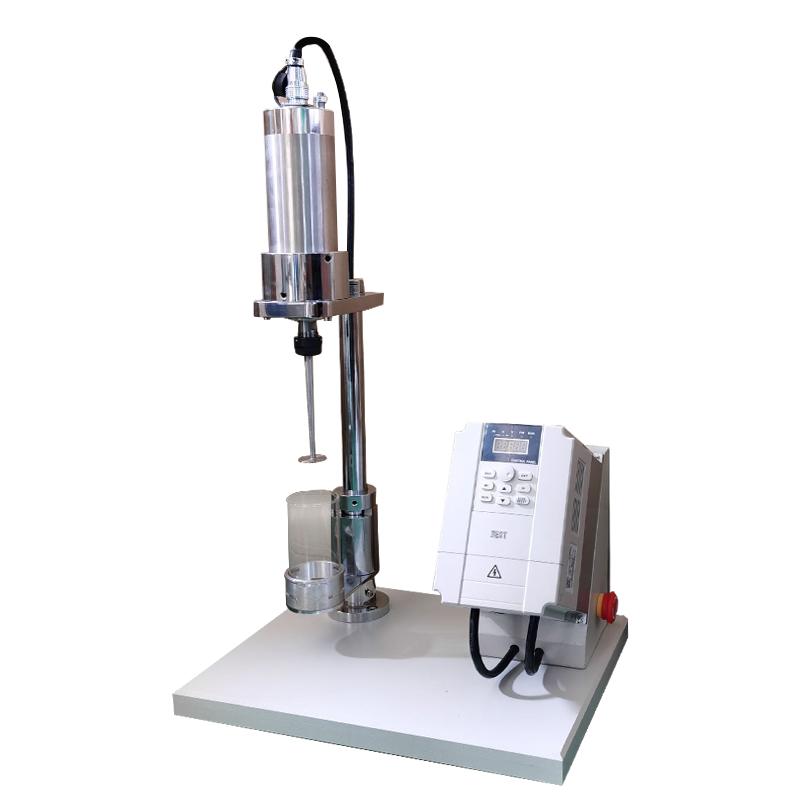
XR-14 Latex High-speed Mechanical Stability Tester meets the standard requirements of "GBT 8301-2008 Determination of Mechanical Stability of Concentrated Natural Latex" and "SHT 1151-1998 Determination of High-speed Mechanical Stability of Synthetic Latex". This instrument is mainly suitable for latex production units and scientific research institutes to test the mechanical stability of natural latex and synthetic latex, and is an instrument needed to improve the quality of latex.
Test Methods
First, dilute 100g sample with ammonia solution, so that the solid content in it reaches 55% of the total mass fraction, and then immediately heat the sample to 36~37°C with a heating device while stirring gently. Then immediately filter the heated latex with a stainless steel wire mesh, weigh 80g of latex and put it in the container, verify that the temperature of the latex should be 35°C±1°C, put the latex at the specified position of the instrument for high-speed stirring, and Start timing until you reach the finish line. The stirrer speed should be 14000r/min±200r/min during the whole process.
Judgment of the end point: before reaching the end point, the vortex around the stirring rod becomes shallower obviously, and the sound of the stirring device also changes. There are two ways to determine the endpoint:
1. Palm method:
The judgment method is to take a drop of latex sample with a clean glass rod every 15S, and gently place the sample on the palm of your hand, and the end point is when the first flocculated particles appear. In order to confirm the arrival of the end point, let the stirring device stir for another 15S and then take a sample. If the flocculated particles in the sample increase, it means that the judgment of the end point is correct.
2. Water dispersion method:
Take a flat-bottomed dish containing 100~150mL of water, put it on a black surface, take a small drop of sample with a pointed glass rod and put it on the water surface of the flat-bottomed dish immediately, if the latex does not flocculate, it will take a few seconds It will disperse into the water and become a milky white cloud. If the latex flocculates, it is easy to see the flocculation particles after the sample is dispersed into the water.