
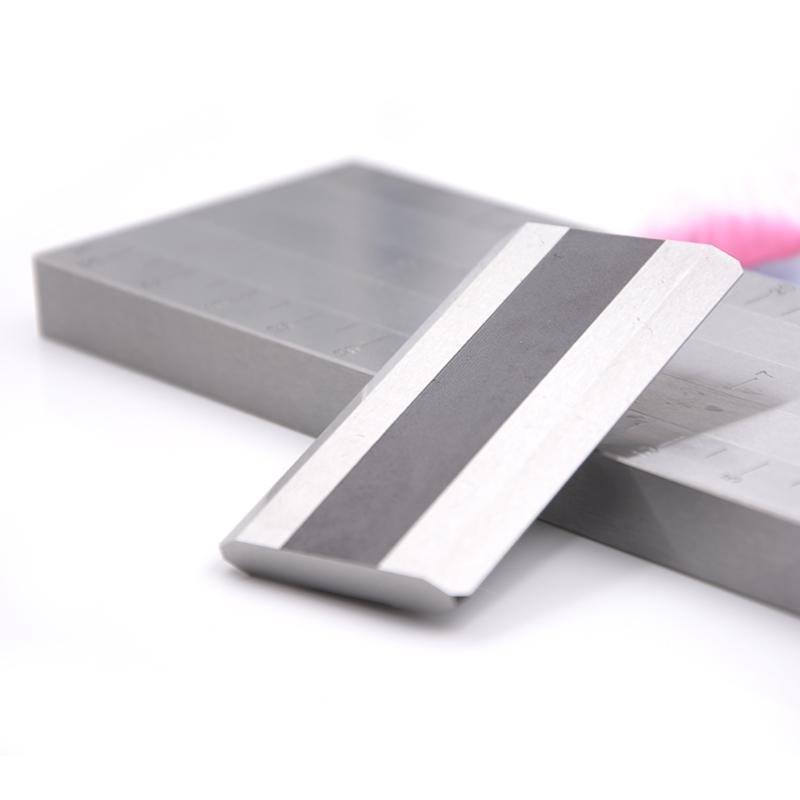
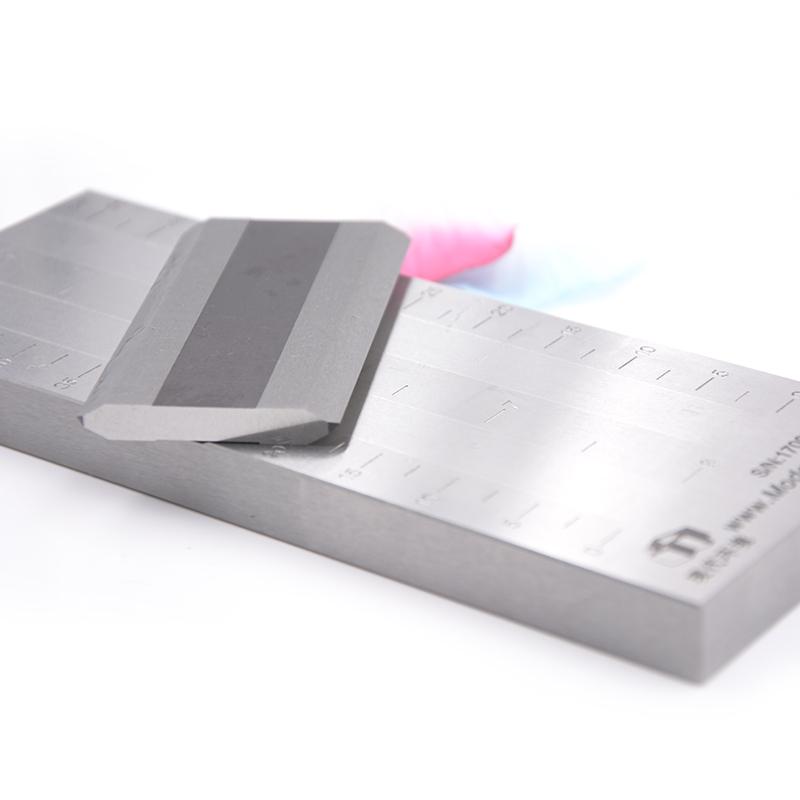
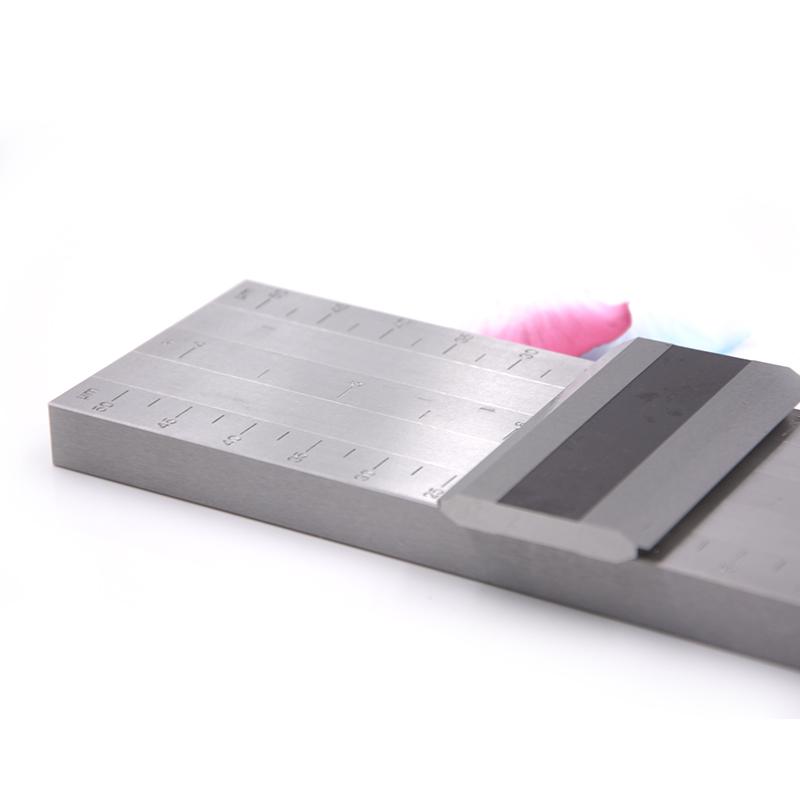
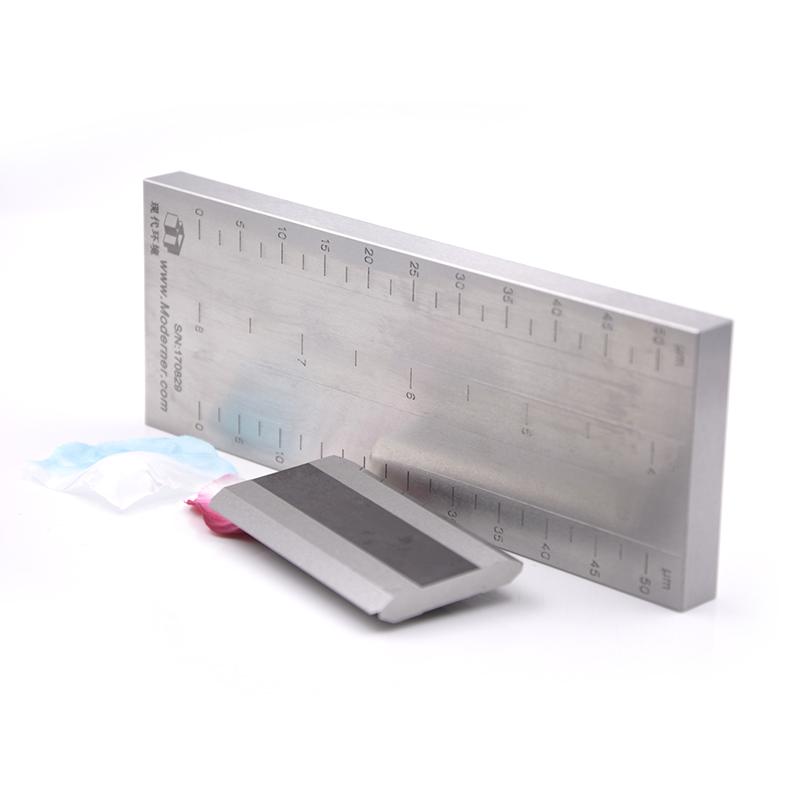

MODERNER QXD-50 small double-channel qxd Fineness gauge 50 micron Coating Fineness gauge
SE Boutique QXD-50 (small double-channel)

-
 CHINA QXD-50 Zirconia Ceramic Fineness gauge double-channel Fineness gauge 0~50μm$ 463.00SE
 -
 JINGKELIAN QXP 0-50S ISO Fineness of Grind Gauge with Third Party Measurement Certificate$ 247.00SE
 -
 TQC VF2106 single-channe grinding Grindometer 0~50μm with calibrated certificate$ 1123.00SE
 -
 TQC VF2112 double-channel Fineness gauge 0-50 µm with calibrated certificate$ 1054.00SE
 -
 Pushen ISO-50um stainless steel double-channel Fineness Meter 0-50μm$ 193.00SE





Moderner QXD-50 (small double-channel) Small double-channel Fineness gaugeSPEC
Moderner QXD-50 (small double-channel) Small double-channel Fineness gaugeDetails
Moderner QXD-50 (small double-channel) Small double-channel Fineness gaugePacking list

- SKU
- NB004310
- Scraper type
- double-channel
- Number of grooves
- 2
- range
- 0 ~ 50µm
- Scale unit
- mm
- Scraper material
- stainless steel
- Scraper size
- 170*63.5*12.7mm
- Groove size
- 12.7*140mm
- Scraper material
- stainless steel
- Scraper size
- 70mm
- Graduation
- 2.5µm
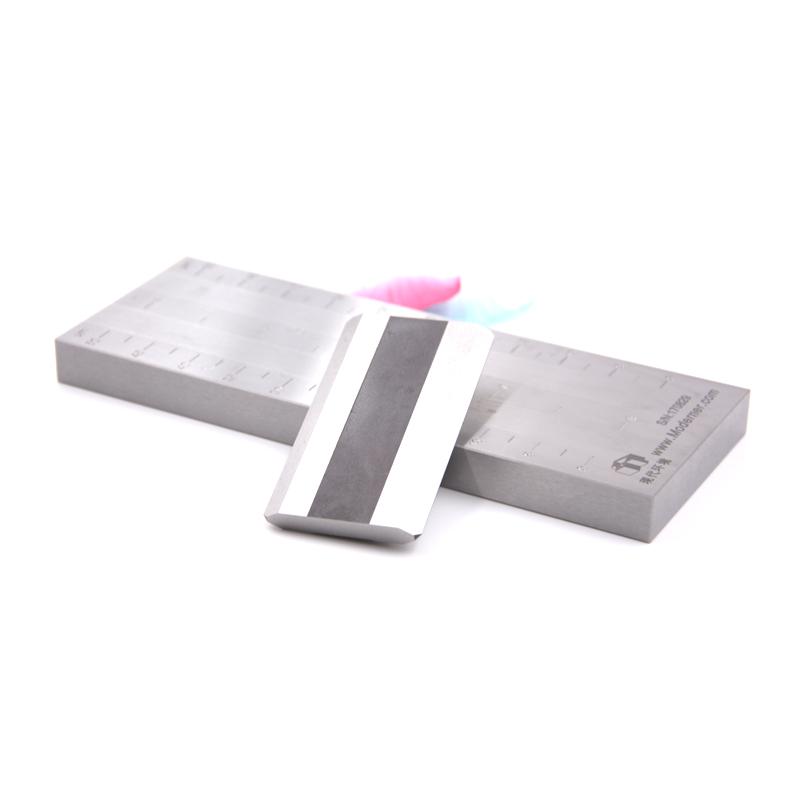
MODERNER QXD stainless steel Fineness of Grind Gauge is a small double-slot type qxd Fineness Meter, which is made of high-grade stainless steel, and the applicable measuring range is 0~25/50/100 microns. The Fineness of Grind Gauge is widely used in the measurement of the fineness of particles such as pigments and impurities in paints and varnishes. MODERNER is a qxd Fineness Meter designed and manufactured according to the verification regulations of the Ministry of Chemical Industry of the People's Republic of CHINA JJG (chemical) 018-96 "Fineness of Grind Gauge" and its GB/T1724 standard .
The models of QXD-25/50/100 small double-slot qxd Fineness Meter are QXD-25, QXD-50, QXD-100, and the corresponding measuring ranges are 0~25 microns, 0~50 microns, 0~100 microns .
Steps for usage
1. Before using the qxd Fineness Meter , wash the plate and the bottom with a suitable solvent, and dry it with cotton yarn.
2. Fully stir the sample that meets the product standard viscosity index with an ink-adjusting knife.
3. Drop a few drops of sample solution into the deepest part of the groove of the stainless steel Grindometer.
4. Hold the scraper with the thumb, index finger and middle finger of both hands, and place it horizontally on the upper end of the stainless steel Grindometer, so that the scraper is perpendicular to the surface of the Grindometer, and pull the scraper from the deep part of the groove to the shallow part at an appropriate speed. The paint swatch fills the grooves without leaving excess paint on the panel.
5. After scraping, immediately (within no more than 5 seconds) pinch the fineness gauge horizontally and tilt it so that the line of sight is 15-20 degrees from the groove plane, and observe the scale of the particles in the groove and the exposed part with light value, the reading value is the fineness of the measured object.
Precautions for use
(1) Do not scratch the surface of the qxd fineness gauge and the scraper.
(2) Wash and apply vaseline to prevent rust after use.
(3) When measuring the fineness, the clear oil that meets the product standard should be adjusted and then measured.
(4) Regularly (one year) check the knife edge and the straightness of the fineness gauge. If unevenness or wear of the fineness gauge is found, it needs to be calibrated by the national metrology and verification agency before it can be used.
real shot


Specification list

Series
| Specification | Range | Division value | Groove size | unit |
| small single slot | 0-15 | 0.75 | 12.7*140 | μm |
| 0-25 | 1.25 | Hegman/μm | ||
| 0-50 | 2.5 | |||
| 0-100 | 5 | |||
| 0-150 | 5 | μm | ||
| small double slot | 0-25 | 2.5 | Hegman/μm | |
| 0-50 | 2.5 | |||
| 0-100 | 5 | |||
| 0-150 | 5 | μm | ||
| wide slot | 0-25 | 1.25 | 25.4*127 | Hegman/μm |
| 0-50 | 2.5 | |||
| 0-100 | 5 | |||
| large wide groove | 0-25 | 2.5 | 50.8*127 | |
| 0-50 | 5 | |||
| 0-100 | 5 | |||
| Big double slot | 0-25 | 2.5 | 25.4*165 | Hegman/μm/NPIRI |
| 0-50 | 5 | |||
| 0-100 | 5 | |||
| Special double slot | 0-50 | 2 | μm | |
| 0-250 | 10 | μm |
- 1GB/T 17001.3-2025《Anti-counterfeiting printing ink—Part 3:Thermochromic anti-counterfeiting printing ink》
- 2HG/T 5173-2017《Waterborne primer for application on rusty substrates》
- 3WJ 2669-2005《Specification for cathode electrophoresis paint for shell》
- 4GB/T 42541-2023《Coated steel pipes for gas piping》
- 5GB/T 17001.6-2022《Anti-counterfeiting printing ink—Part 6:Infrared excitation fluorescence anti-counterfeiting printing ink》
- 6TB/T 2260-1991《Technical conditions for supply of anti-rust primers for railway rolling stock》
- 7HG/T 5370-2018《Waterborne coatings for bicycles》
- 8HG/T 5367.1-2018《Coatings for rail transit vehicles - Part 1: Waterborne coatings》
- 9HG/T 5183-2017《Water-based ultraviolet curing coatings for woodenware》
- 10HG/T 5180-2017《Water-based Coatings for Automotive Plastic Parts》