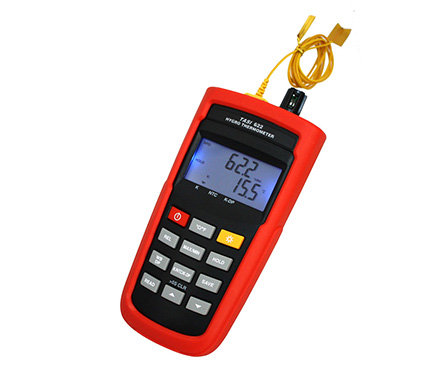
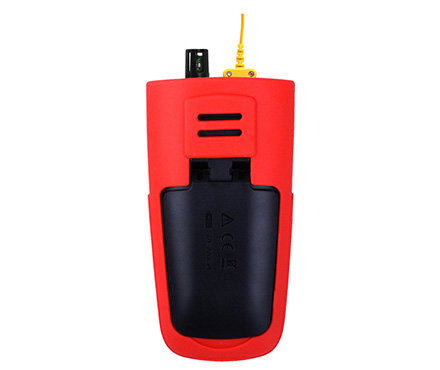
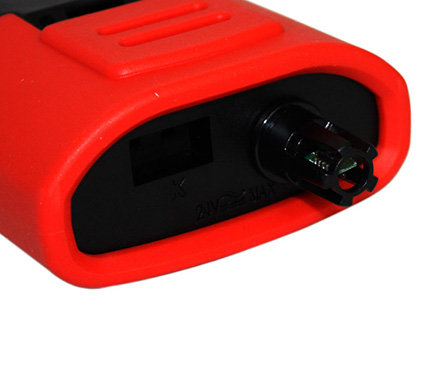

TASI TASI-622 Thermohygrometer Temperature range: 0 ℃~ 60 ℃
 TASI-622

TASI TASI-622 ThermohygroMeterSPEC
TASI TASI-622 ThermohygroMeterDetails
TASI TASI-622 ThermohygroMeterPacking list

- SKU
- NB000434
- temperature range
- 0~60℃
- temperature error
- +/- 2 ℃ at 0 ℃ to 10 ℃; +/- 0.5 ℃ at 10 ℃ to 45 ℃; +/- 2 ℃ at 45 ℃ to 6 0 ℃; +/- 4 ° F at 32 ° F to 50 ℉; +/- 1 ° F at 50 ° F to 113 ℉; +/- 4 ° F at 113 ° F to 140 ° F
- Temperature Resolution
- 0.1℃/℉
- Humidity range
- 0~100%RH
- Humidity error
- ±2.5%@25℃,10%~90%R.H.;±5%@25℃,0%~10%R.H.,90%~100%R.H.
- Sensor type
- Temperature: Thermistor Temperature Sensor; Humidity: Capacitive Humidity Sensor
- Sensors location
- built-in
- statistical function
- MAX Maximum, MIN Minimum, Average, Relative Read, and Read Retention
- unit conversion
- ℃/℉
- Power Supply
- Four 1.5V AA batteries
- Dimensions
- 160*83*38mm
- Weight
- About 265g (including battery)
- Operating temperature
- 0℃~50℃
- supporting software
- without
- Humidity Response time
- 90% error, about 60 seconds
- Humidity sensor hysteresis
- (Excursion of 10% to 90% to 10%R.H.)±1%R.H.
- Display
- 3 ½ digit LCD display, maximum 1999 readings
- Low power prompt
- When the battery Voltage is lower than the operating Voltage, "+ -" is displayed
- Storage environment
- -20 ℃~ 60 ℃, 0~70% R.H. (after battery removal)
- Accuracy test environment
- 23 ℃ +/- 5 ℃, Relative Humidity < 75% R.H.
- Thermocouple Temperature range
- -50℃~1000℃,-50℉~1832℉
- Thermocouple temperature Accuracy
- +/- (0.1% reading + 1 ℃) at 50 ℃ to 1 0 0 0 ℃; +/- ( 0.1% reading + 2 ° F) at -50 ° F to 1832 ° F
- Working Relative Humidity
- <80%R.H.
Introduction
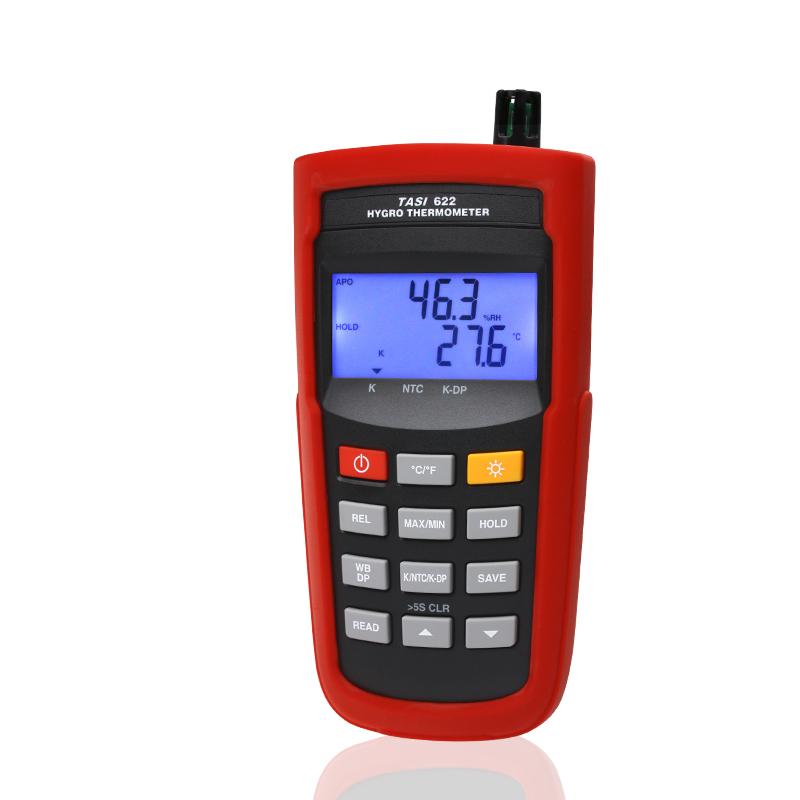
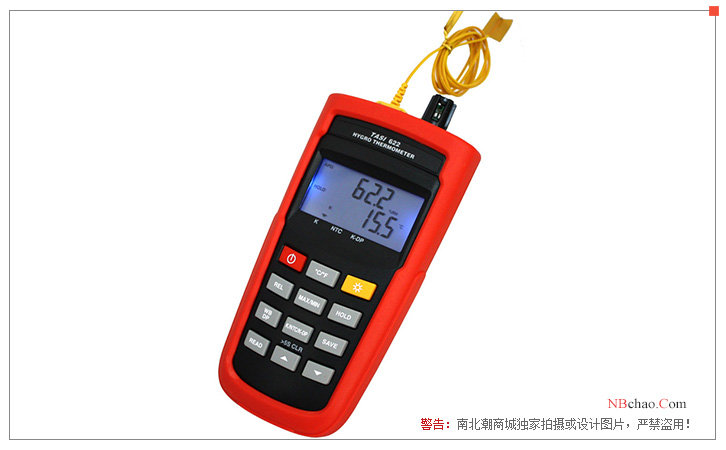
TASI-622 Thermocouple Thermohygrometer is a handheld, easy-to-use, rugged digital temperature and humidity meter designed to be operated with one hand. A thermistor and type K thermocouple are used as temperature sensors for temperature measurement, while a polymer humidity sensor with capacitance variation is used as the sensor for Relative Humidity measurement.
peculiarity
*Highly stable humidity measurement ± 2.5%.
* Synchronize %RH with temperature.
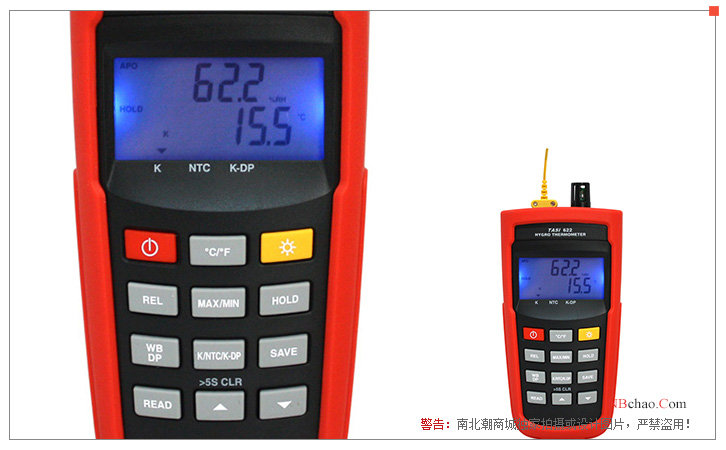
*Dual temperature detection (NTC and K-Type) and humidity measurement function.
* Wet bulb/dry bulb/dew point/humidity calculation.
*Maximum, Minimum, Average, Relative Reading, and Reservation Functions.
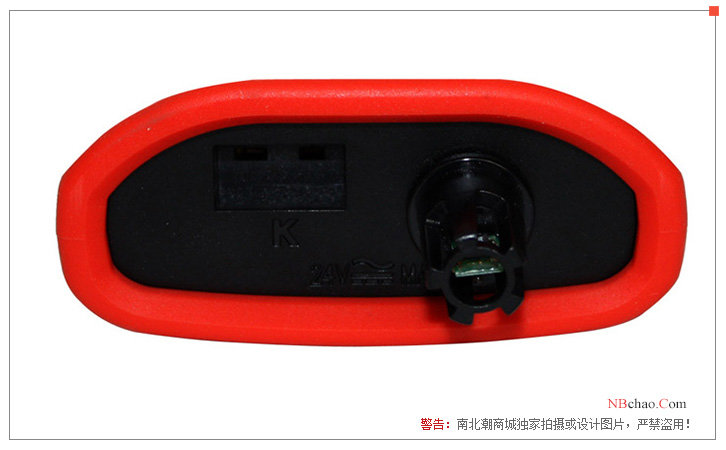
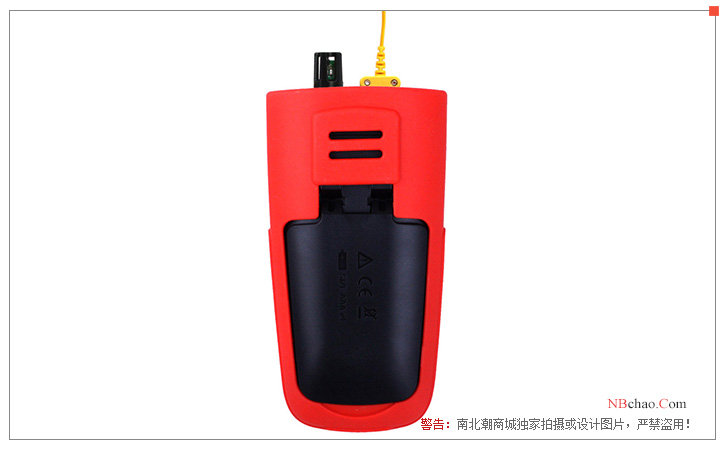
Product display diagram
Place of use
Greenhouses, Food distribution industry, HAVC installation and maintenance, art museums, offices, department stores, laboratories, environmental research, printing plants, climate monitoring, shopping malls