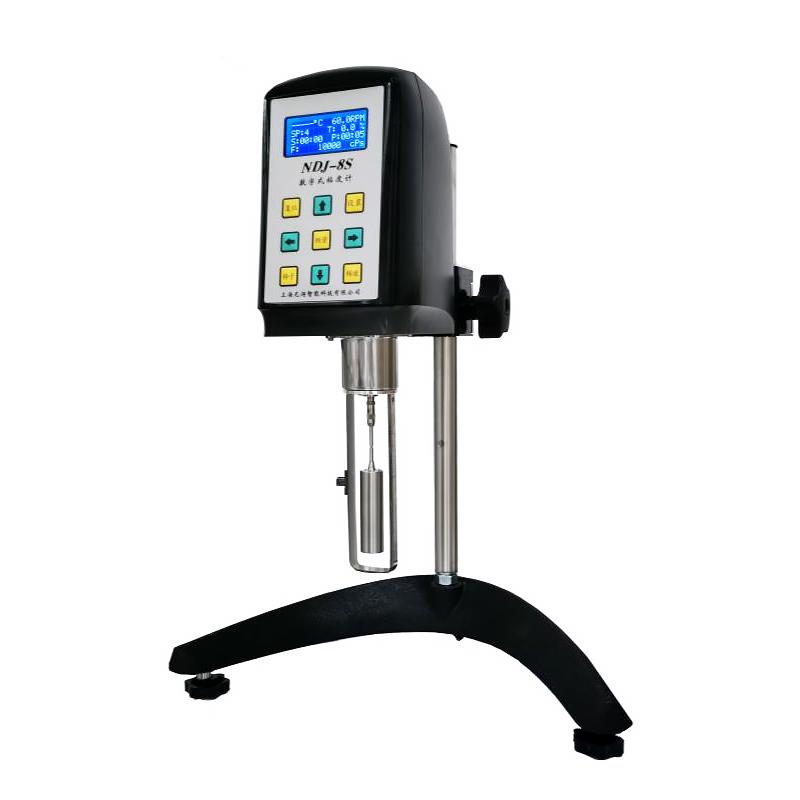

NIRUN NDJ-5S Digital Viscometer swirl/spin Viscosity meter 100,000 pcs New
SE NDJ-5S

-
 HUINUO NDJ-5S digital display Rotational Viscometer 100,000 CP$ 452.00SE
 -
 HUINUO NDJ-5S Digital Rotational Viscometer Viscosimeter with L0 rotor$ 560.00SE
 -
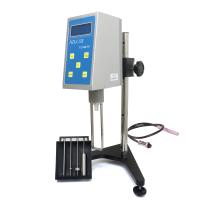 HUINUO NDJ-5S Digital Rotational Viscometer with RTD temperature sensor$ 469.00SE
 -
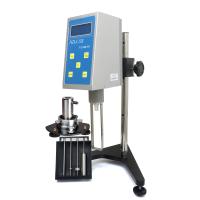 HUINUO NDJ-5S Laboratory Rotational Viscometer with a small number of sample adapters$ 807.00SE
 -
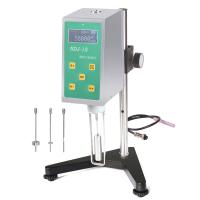 HUINUO NDJ-1S digital Rotational Viscometer with RTD temperature sensor$ 414.00SE





NiRun NDJ-5S Digital ViscoMeterSPEC
NiRun NDJ-5S Digital ViscoMeterDetails
NiRun NDJ-5S Digital ViscoMeterPacking list

- SKU
- NB043705
- Display
- LCD with blue backlight 4-line digital display
- Measurement range
- 1~100000mPa·s
- Rotor Specifications
- 1 #, 2 #, 3 #, 4 #(0 #optional)
- Rotor speed
- 6/12/30/60rpm
- Repeatability
- ±0.2%F.S
- Measurement Accuracy
- ±1%F.S
- Power
- AC 100-240V
- Interface
- RS232
- Temperature transducer
- RTD temperature probe
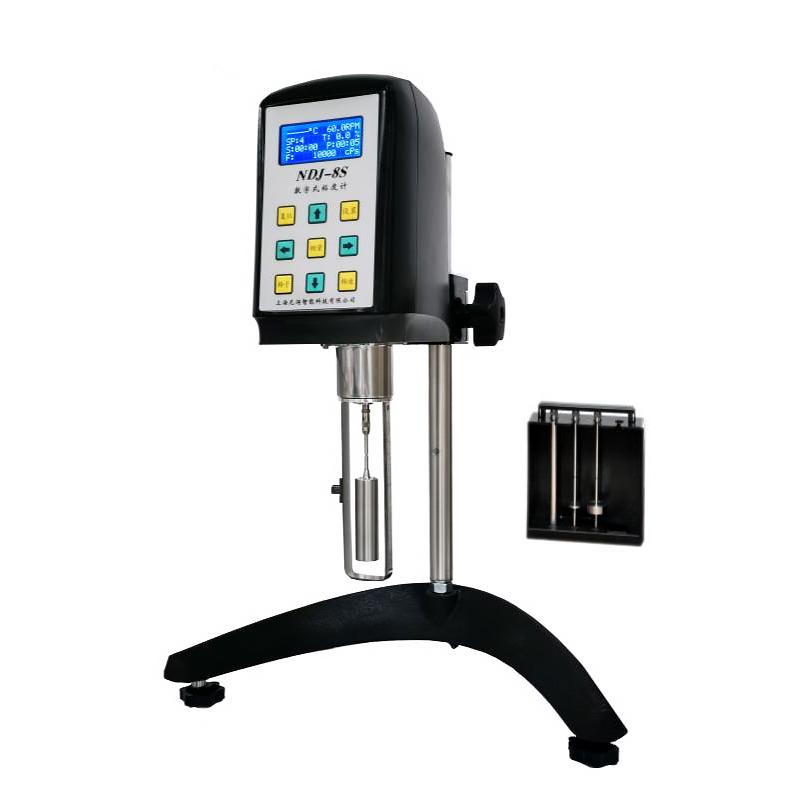
A Rotational Viscometer is a commonly used experimental instrument used to measure the viscosity of liquid or semi-solid substances. It measures the viscosity by rotating a cylindrical rotor or disc in the object to be measured, based on the resistance between the rotor and the liquid or semi-solid. The rotational speed of the rotor and the force applied have an impact on the viscosity measurement results. Rotational viscometers are widely used in chemical, food, pharmaceutical and other industries to determine the fluidity of substances, quality control and viscosity changes during product development.
Technical Features
The improved 16-bit microcomputer processor is the core, and the anti-interference performance is greatly improved
Digital LCD 4-line digital display with blue backlight
Stepper motor direct drive, no gear, accurate speed
Standard RTD temperature probe, RS232 interface
Displays the maximum measurable viscosity of the rotor at the current rotational speed.
Measurement timing function, print interval setting, viscosity unit selection
Viscosity values show continuous changes
There is an alarm sound prompt beyond the measurement range
Computer full scale linear correction
AC power adapter 100V-240V, good anti-interference
Optional
Dedicated viscosity measurement constant temperature sink, ultra low viscosity adapter
Microprinter, Glass Circulation Cup
Application
Ink, ink, glue, latex, solvent-based adhesives, biochemical preparations, polymer solutions, petroleum, paints and coatings, solvents, lithium battery paddles, cosmetics, milk products, medicines, fruit juices, petroleum, solvents, etc.
- 1Determination of starch viscosity by swirl/spin Viscosity meter
- 2Analysis of factors affecting viscosity
- 3Common Types of Thickeners and Their Applications in the Coating Industry
- 4Method of Stable Control of Viscosity in Coating Construction
- 5Measurement and Application of Swirl/spin Viscometer
- 6Determination of epoxy resin viscosity by Rotational Viscometer
- 7Principle characteristics and application analysis of spot inks viscosity Measurement Instrument
- 8Basic Principle and Application of Ceramic Viscometer
- 9Principle and Application Analysis of Tempered Inks Viscosity Detector
- 10Spinning & weaving dyeing and finishing auxiliary viscosity determination technology
- 1GB/T 17001.3-2025《Anti-counterfeiting printing ink—Part 3:Thermochromic anti-counterfeiting printing ink》
- 2JC/T 2316-2015《Additive of plastering putty for interior decoration》
- 3SJ/T 10454-2020《Dielelectric paste for multilayer lay out of thick film hybrid integrated circuits》
- 4HG/T 4443-2012《Textile dyeing and finishing auxiliaries.Determination of viscosity》
- 5HG/T 3323-2008《Rubber latex bord-determination of viscosity(Rotating viscometer method)》
- 6JC/T 2217-2014《Epoxy resin waterproof coating》
- 7GB/T 12008.7-2010《Plastics - Polyether polyols - Part 7:Determination of viscosity》
- 8JJG 1002-2005《Rotational Viscometers》