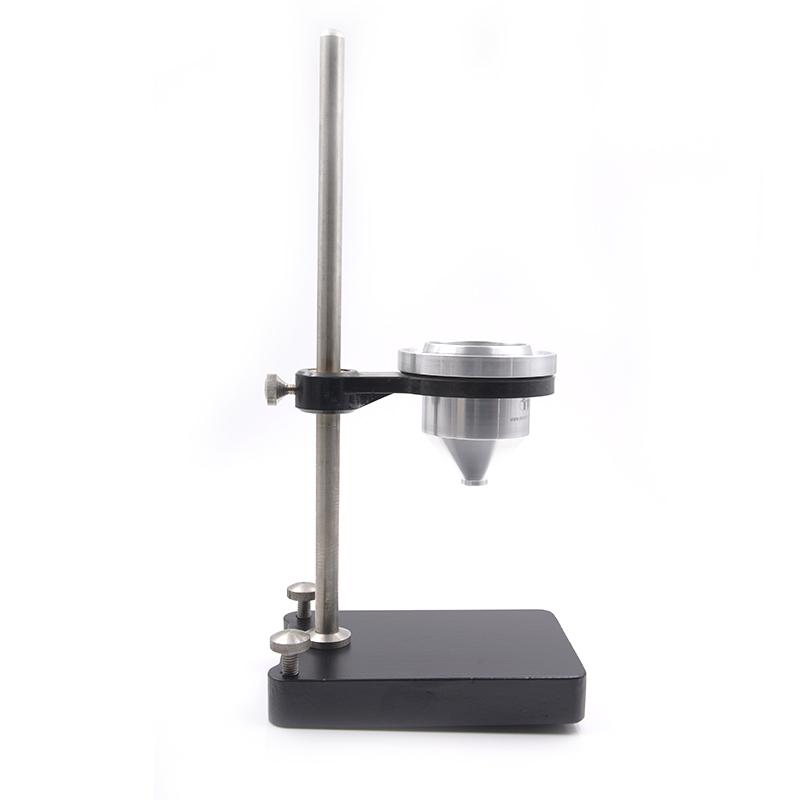
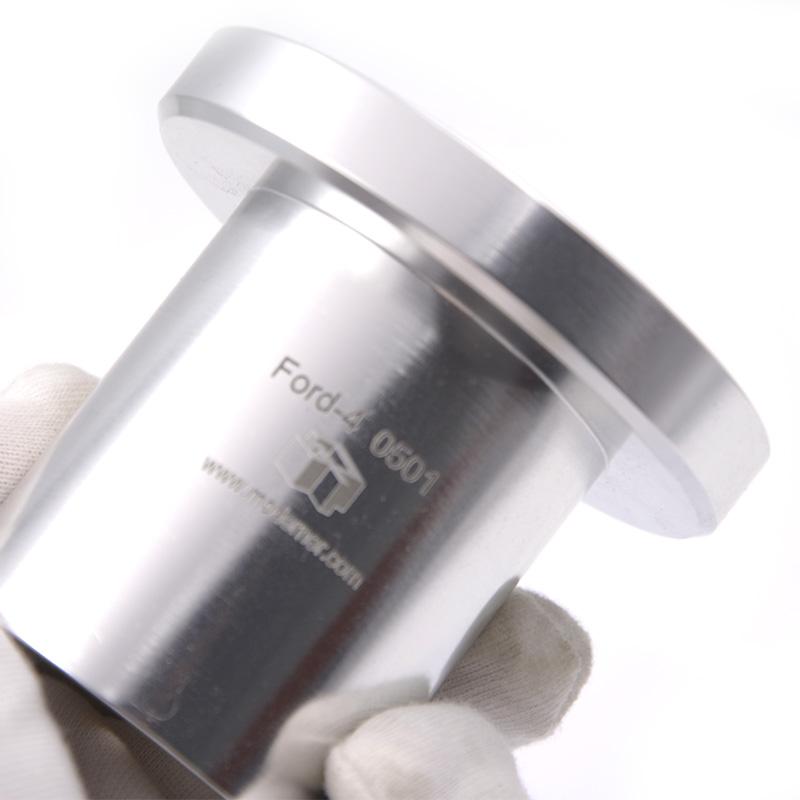

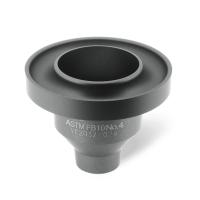
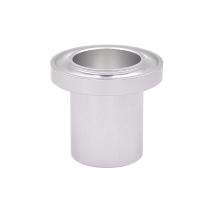
MODERNER FORD-2 No. 2 Ford Viscosity Cup anodic oxidation aluminum cup body viscosity range 20~120cst
SE FORD-2

Moderner FORD-2 Ford Viscosity CupSPEC
Moderner FORD-2 Ford Viscosity CupDetails
Moderner FORD-2 Ford Viscosity CupPacking list
- SKU
- NB004373
- Viscosity range
- 20~120cSt
- outflow time
- 40~100s
- Cup body material
- Aluminum anode oxidation
- Filter material
- Brass
- Certificate
- without
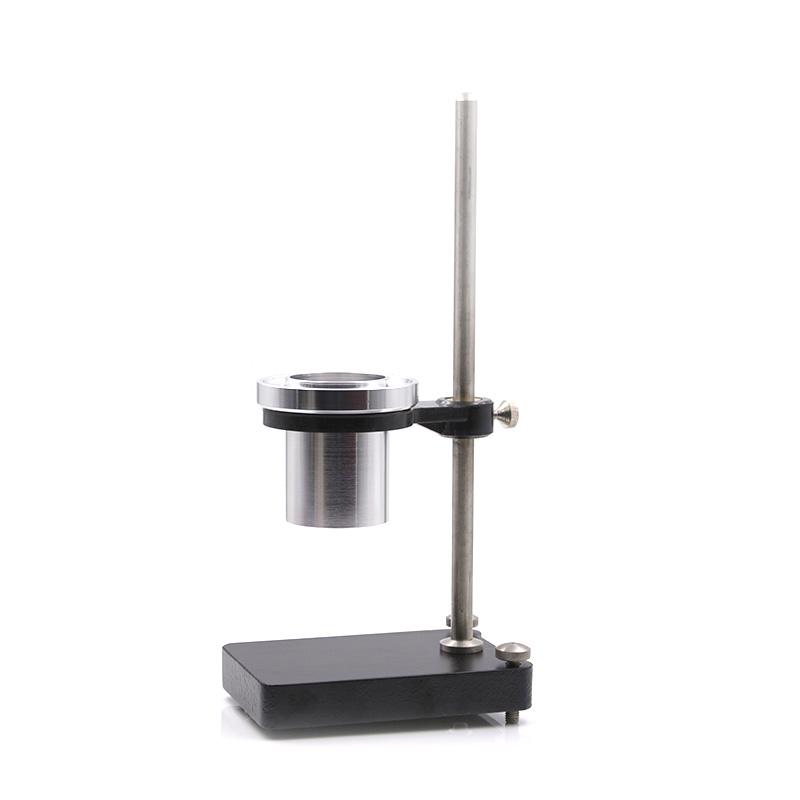
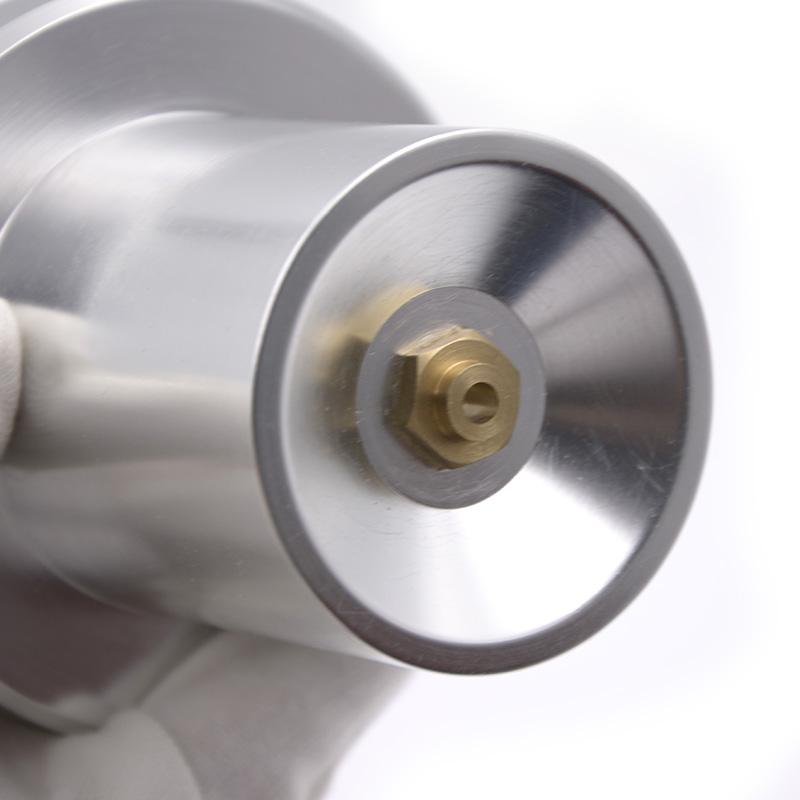
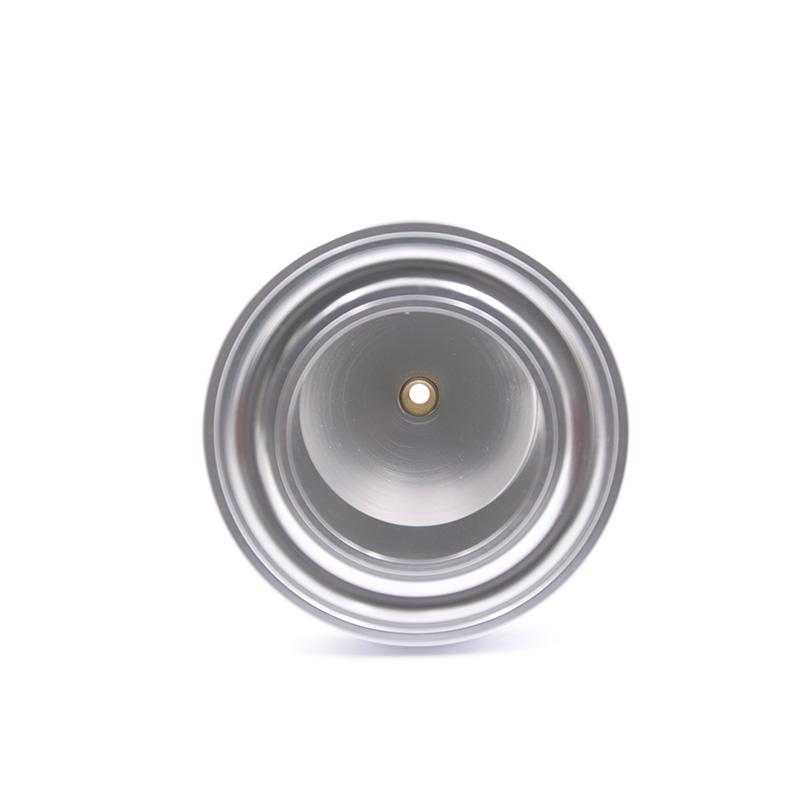
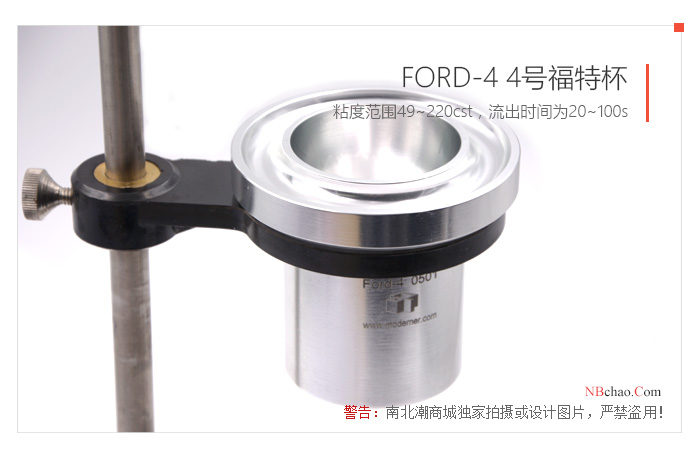
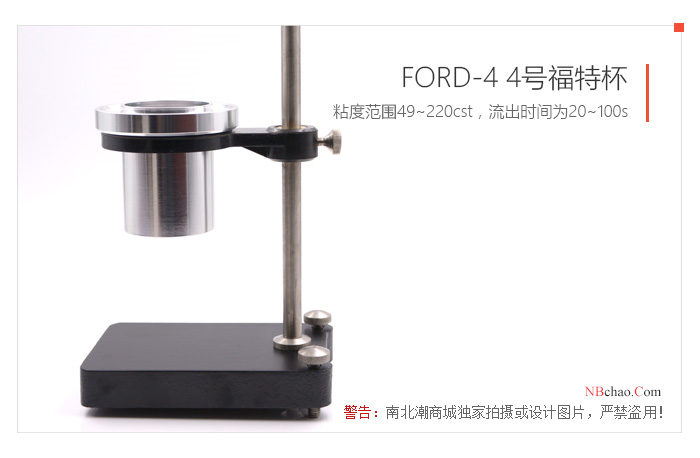
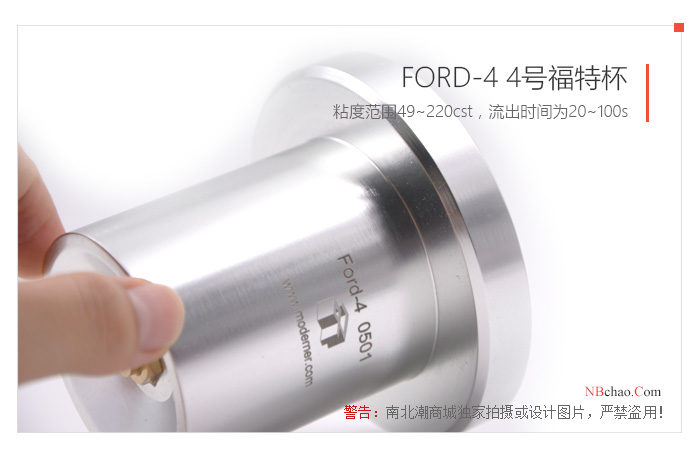
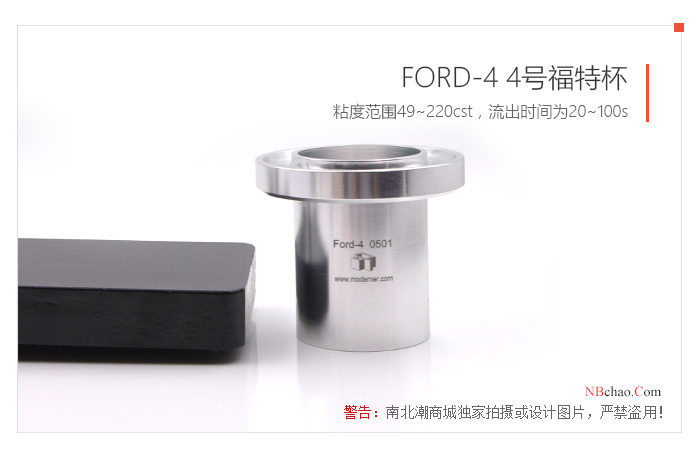
MODERNER No. 2 Ford Cup, model FORD-2, is a desktop No. 2 Ford Viscosity Cup, the applicable measurement range is 20~120cst, and the outflow time is 40~100s. FORD-2 No. 2 Ford cup is anodized aluminum cup body, brass spout, which has good corrosion resistance and solvent resistance.
Introduction to Ford Cup
FORD Ford cup is used to measure the viscosity of Newtonian fluids such as varnishes, spray paints and colored paints. By filling the Ford Viscosity Cup with varnish, spray paint, color paint and other fluids to be tested, calculate the time for the fluid to flow out from the standard hole of the Ford Cup. The Ford Viscosity Cup measurement method is highly recommended in the industry for the determination of paints, coatings and thin viscosities. Of course, this is limited to the determination of Newtonian fluids and similar viscosities. If it is necessary to obtain better reproducible measurement results, it is necessary to correctly select the appropriate measurement range Viscosity Cup model.
Note: The Ford Viscosity Cup is not suitable for measuring the physical viscosity of those high viscosity and pasty materials.
In addition, for the measurement of the viscosity of chemical raw materials, users must remember to operate in accordance with relevant safety regulations when using the Ford Viscosity Cup, especially any safety issues that come into contact with the chemical raw materials to be tested need to be taken seriously.
No. 2 Ford Cup Features
The Ford Viscosity Cups produced by Shanghai Hyundai are all based on ASTM D1200 standards, using anodized aluminum as the cup body and brass spout. Such a design provides good corrosion and solvent resistance, and can withstand wear and tear under frequent use and cleaning. The shape of the cup body is not the shape recommended by ASTM D1200, but a design similar to that of the ISO Viscosity Cup, which is more convenient for cleaning and placement. Every Ford Viscosity Cup is factory calibrated with a standard oil. If the leak nozzle is loosened or taken out due to customer reasons, it should be recalibrated according to the ASTM D1200 standard before it can be used.
Pictures
- 1ASTM ASTM D1200《Standard Test Method for Viscosity by Ford Viscosity Cup》
- 2ASTM 《Standard Test Method for Viscosity by Ford Viscosity Cup》
- 3ASTM D1200-2010《Standard Test Method for Viscosity by Ford Viscosity Cup》
- 4ASTM D5125-2020《Standard Test Method for Viscosity of Paints and Related Materials by ISO Flow Cups》
- 5JJG 743-2018《Flow Cup Viscometers》
- 6ASTM D1200-2018《Test method for viscosity by Ford viscosity cup》
- 7 《Determination of viscosity with Ford viscosity cup》