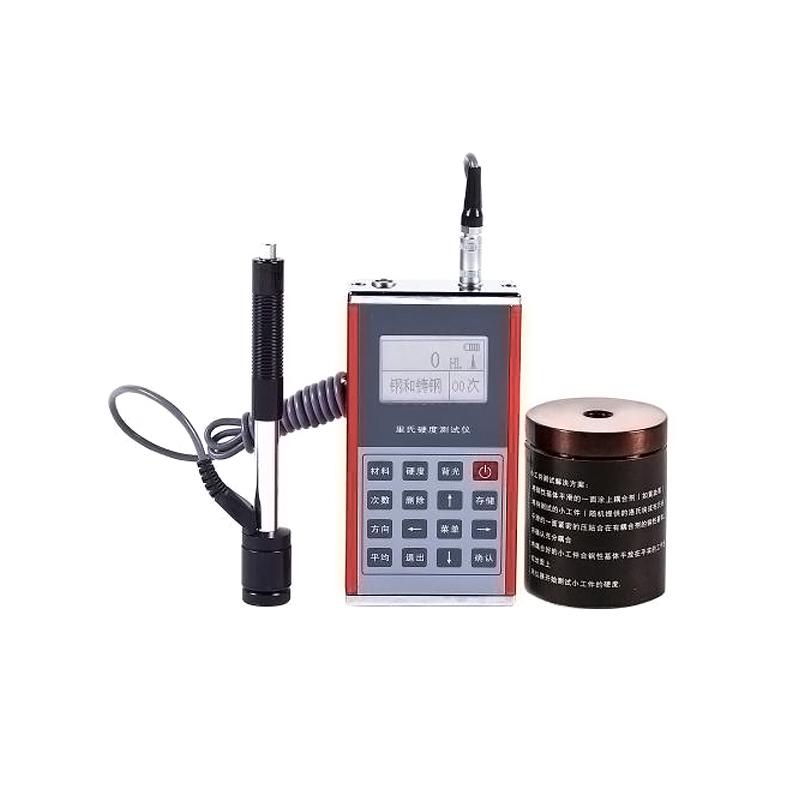
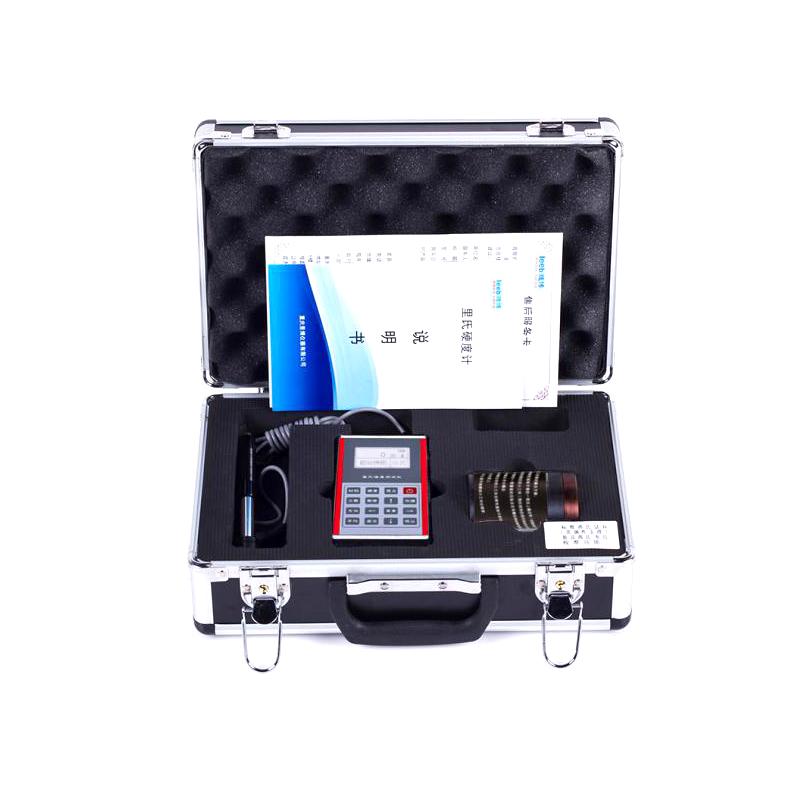

LEEB130 portable Leeb Hardness Tester range 100-990 (HLD)
SE leeb130

-
 PRLH150 Leeb Hardness Tester$ 259.00SE
 -
 LINSHANG LS253-D/DC/DL/C type Leeb Hardness Tester$ 930.00SE
 -
 LINSHANG LS253C Leeb Hardness Tester with C probe$ 463.00SE
 -
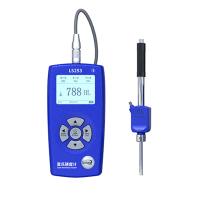 LINSHANG LS253DL type, metal Leeb Hardness Tester with DL probe$ 557.00SE
 -
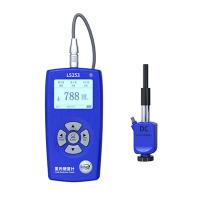 LINSHANG LS253DC Leeb Hardness Tester with DC probe$ 325.00SE





Leeb leeb130 Leeb Hardness TesterSPEC
Leeb leeb130 Leeb Hardness TesterDetails
Leeb leeb130 Leeb Hardness TesterPacking list
- SKU
- NB043832
- Adjustment
- Adjustments of Richter, Rockwell and Brinell
- Error of indication
- ±6HLD(HLD=760)
- Measurement range
- 100-990(HLD)
- Identifiable Impact Device
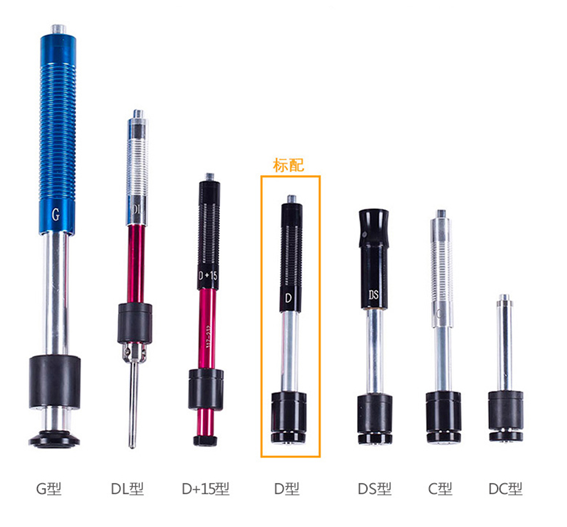
- D、G、C、DL、DC、D+15、DS
- Impact device socket
- LEMO socket
- Measurement direction
- 360°
- Hardness system
- HL、HB、HRC、HRB、HV、HS
- Storage function
- 600 groups
- shell material
- Metal shell
- Dimensions
- 130×70×25mm
- Weight
- 450g
- optional
- Special-shaped support ring, Impact device, standard test block, communication software
- Repeatability
- 6HLD(HLD=760)
Overview
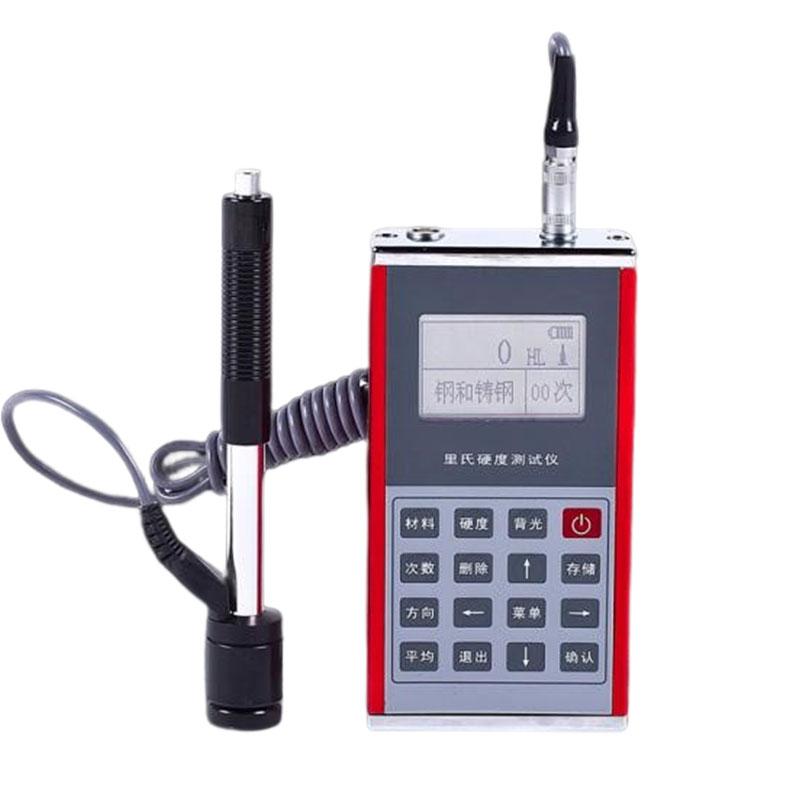
The Rieboli Hardness Tester leeb130 uses all Chinese display, menu operation, simple and convenient operation. This machine can directly display hardness values such as Richter, Brinell, Rockwell, Vickers, and Shore. The instrument is compact and portable, suitable for harsh operating environments, and is resistant to vibration, shock and electromagnetic interference.

Main function
According to the principle of Leeb hardness measurement, the Rockwell measurement interface is displayed when turned on.
Standard Rockwell hardness test block.
Equipped with D-type impact device.
Menu operation, rich in information and intuitive.
High-brightness LED backlight is convenient for use in dark environments.
Metal shell shields interference, low wear and more texture.
Automatic sleep, automatic shutdown and other power-saving functions, low-power design.
Ordinary battery power supply, standby time 100 hours, easy to carry and suitable for field operations.
Applicable materials
Steel and cast steel, alloy tool steel, stainless steel, gray cast iron, ductile iron, cast aluminum alloy, copper zinc alloy (brass), copper tin alloy (bronze), pure copper, forged steel.
Main purpose
1. The hardness testing of products in the mass production process, generally the standard set can meet the testing requirements.
2. Hardness testing for heat treatment such as annealing, tempering, and quenching. If there is a hardened layer when selecting the type, you need to pay attention to the thickness of the hardened layer. If the hardened layer is too thin, you need to choose a C-type impact device.
3. When the bearing tests the hardness, you need to pay attention to its bearing diameter. If the diameter is too small, you need to choose a special-shaped support ring.
4. If the gear is too small during gear hardness testing, you need to choose a DL impact device.
5. When testing castings, if the performance finish is difficult, you need to choose a G-type impact device.
Meet the standard
1. GB/T 17394.1-2014 "Metallic Materials, Leeb Hardness Test, Part 1: Test Methods"
2. GB/T 17394.2-2012 "Metallic Materials, Leeb Hardness Test, Part 2: Inspection and Calibration of Hardness Tester"
3. GB/T 17394.3-2012 "Metal Materials, Leeb Hardness Test, Part 4: Calibration of Standard Hardness Blocks"
4. GB/T 17394.4-2014 "Metal Materials, Leeb Hardness Test, Part 4: Standard Value Conversion Table"
5. Design basis standard: "Leeb Hardness Tester technical conditions" JB/T 9378-2001
Requirements for the surface of the sample being tested
The condition of the specimen surface shall meet the relevant requirements in the test range table.
● The surface temperature of the sample should not be too high, it should be less than 120 ℃.
● The surface roughness of the sample should not be too large, otherwise it will cause measurement errors. The measured surface of the sample is exposed to metallic luster, and it is flat, smooth and free of oil stains.
● Requirements for sample weight: For heavy-duty samples greater than 5kg, no support is required; specimens weighing 2-5kg, specimens with overhanging parts and thin-walled specimens should be supported by objects during testing to avoid impact force. Cause deformation, bending and movement of the specimen. For medium-sized specimens, place them on a flat, firm plane, and place the specimen smoothly without shaking.
● Curved sample: The test surface of the sample is flat. When the radius of curvature of the measured surface R is less than 30mm (D, DC, C, DL type impact device) and less than 50mm (G type impact device), a small support ring or a special-shaped support ring should be used during testing.
● The sample should have the corresponding thickness, and the small thickness of the sample should meet the requirements of the impact device table.
● For samples with a surface hardening layer, the depth of the hardening layer should meet the requirements of the impact device table.
● Coupling
1) For light samples, it needs to be tightly coupled with a solid support, the two coupling surfaces need to be flat and smooth, the amount of coupling agent should not be too much, and the test direction needs to be perpendicular to the coupling plane;
2) When the sample is a large area plate, a long rod, or a curved piece, even if the weight and thickness are large, the deformation and instability of the sample may still be caused, resulting in inaccurate test values, so it should be firmly fixed or supported on the back of the test point.
● The magnetism of the sample itself should be less than 30 Gauss
- 1DL/T 1845-2018《Test method for Leeb hardness of high-alloy steels in power equipment》
- 2GB/T 13313-2008《Methods of shore and leeb hardness testing for rolls》
- 3GB/T 17394.1-2014《Metallic materials―Leeb hardness test―Part 1: Test method》
- 4GB/T 17394.4-2014《Metallic materials―Leeb hardness test―Part 4:Tables of hardness values conversation》
- 5GB/T 17394.3-2022《Metallic materials—Leeb hardness test—Part 3: Calibration of reference test blocks》
- 6GB/T 17394.2-2022《Metallic materials—Leeb hardness test—Part 2: Verification and calibration of hardness testers》
- 7GB/T 17394-1998《Metallic materials--Leeb hardness test》
- 8GB/T 17394.3-2012《Metallic materials - Leeb hardness test - Part 3: Calibration of reference blocks》
- 9GB/T 17394.2-2012《Metallic materials - Leeb hardness test - Part 2: Verification and calibration of hardness testers》
- 10JB/T 9378-2001《Leeb hardness testers》