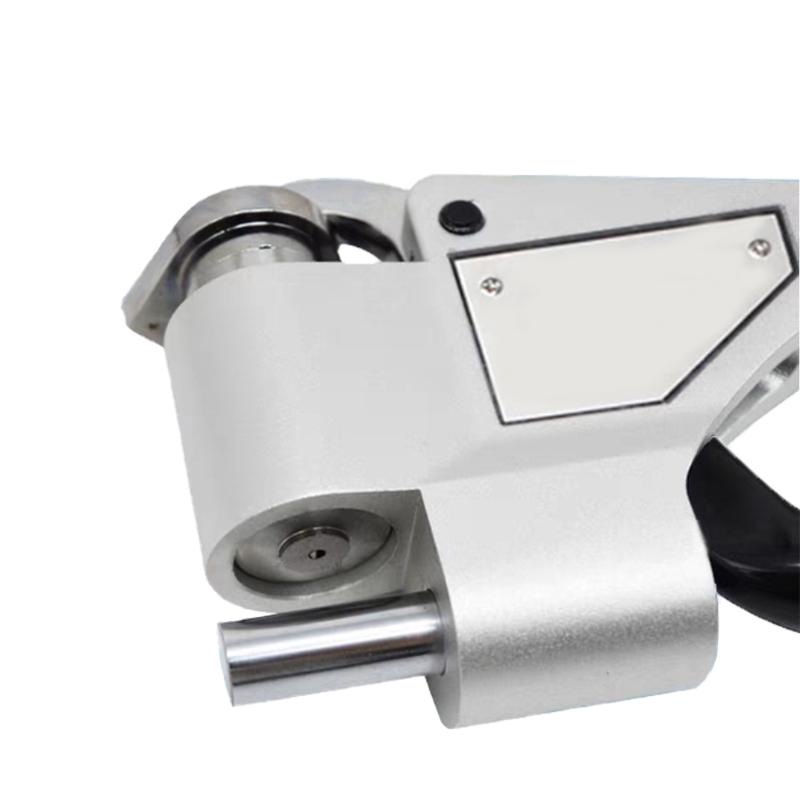
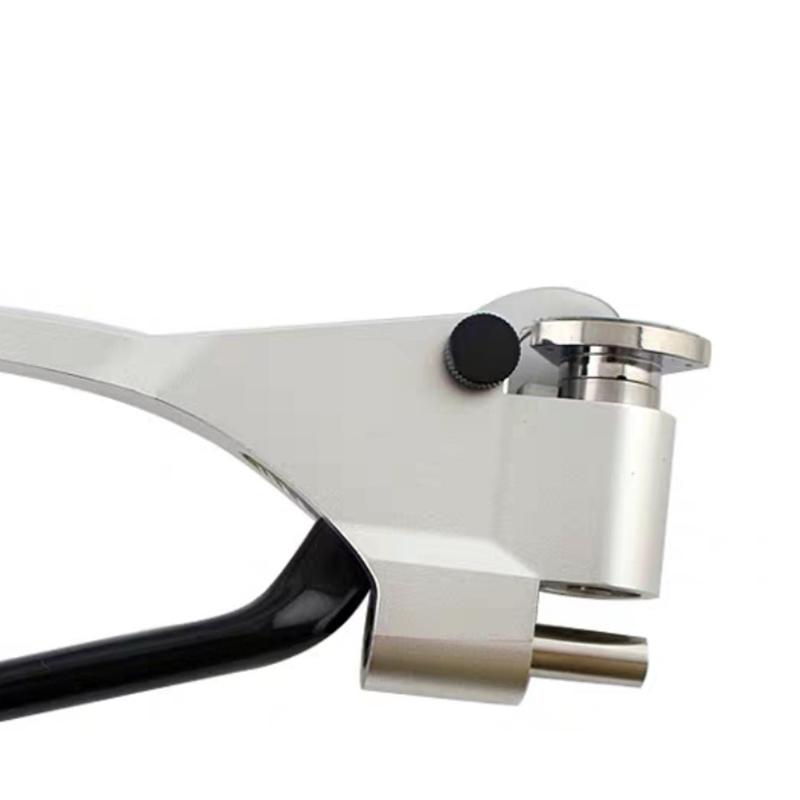
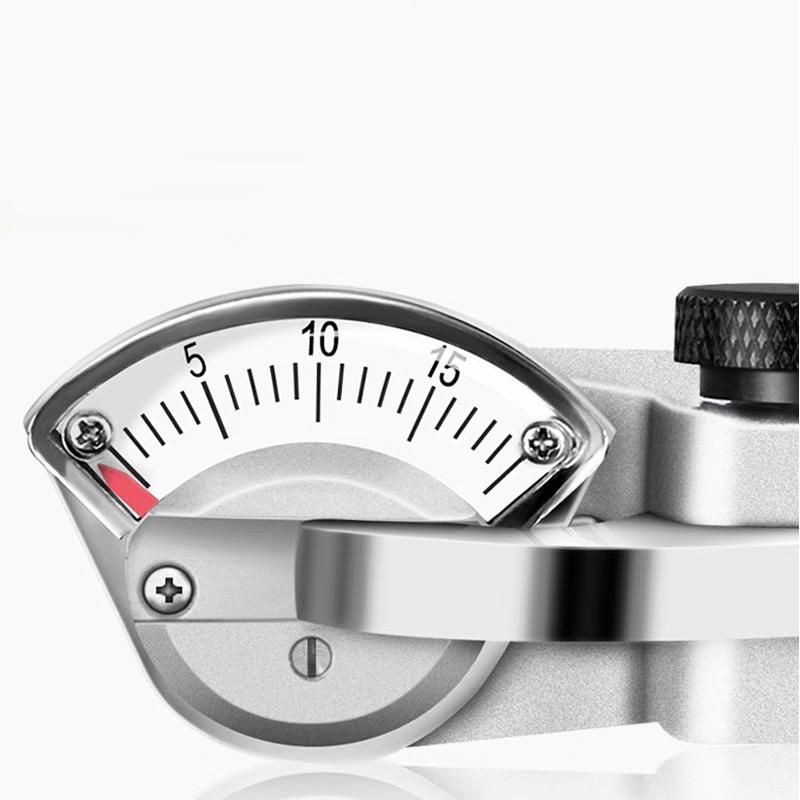

LEEB W-B75 brass Webster Hardness Tester workpiece size thickness 0.4-6 mm
SE W-B75
W-B75


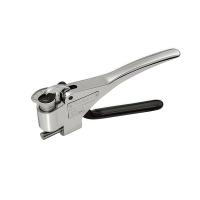
Leeb W-B75 Wechsler Hardness TesterSPEC
Leeb W-B75 Wechsler Hardness TesterDetails
Leeb W-B75 Wechsler Hardness TesterPacking list
- SKU
- NB043839
- range
- 0~20HW
- Accuracy
- 0.5HW
- Instrument Weight
- 0.5kg
- Optional
- Spare pressure pin, standard hardness block, watch head Glass
- Application
- Brass
- Hardness range
- 63~105HRF
- Workpiece size
- Thickness 0.4-6mm; inner diameter > 10mm
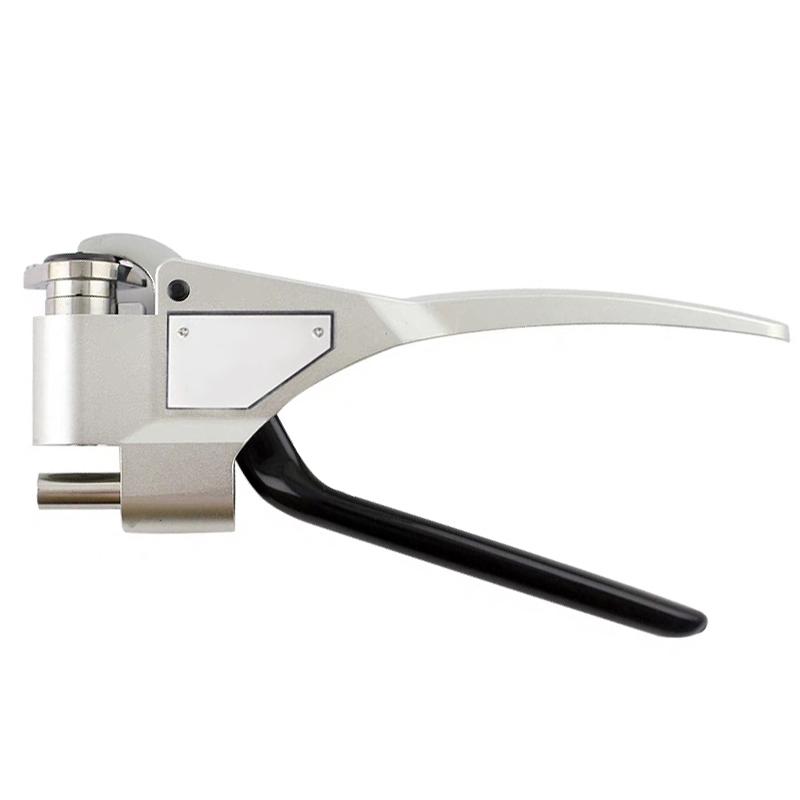
Overview
Webster Hardness Tester, also known as Webster hardness pliers and Webb Hardness Tester, can be used to quickly test the hardness of aluminum alloys at the production site, and is an instrument for testing the mechanical properties of aluminum alloy profiles.
The Webster Hardness Tester is easy to use, one card can be used, the hardness value can be read directly, with high efficiency and good reliability. The W-20 Webster Hardness Tester is used to test aluminum alloys, the workpiece size thickness is 0.4-6mm, the inner diameter is > 10mm, and the hardness range is 25~ 110HRE.
Main function
Webster hardness, easy to detect, can be over-measured;
Through anodizing treatment, wear-resistant and rust-free, comfortable feel;
Detect a variety of metals, hardness testing has a wide range of applications;
Mechanical design, compression spring device, not easy to damage;
High toughness surface window glass, impact is not easy to damage;
Clear scale and accurate measurement;
Simple to use, handheld design, easy to carry;
Conversion is convenient. The hardness values of Brinell, Rockwell, Vickers, and Wechsler can be obtained through the conversion table;
Applicable materials
The hardness of aluminum alloy profiles, pipes, plates, aluminum parts and other softer metals.
Main purpose
Webster Hardness Tester judges whether aluminum profiles have aging, whether the aging is qualified, distinguishes different grades of aluminum and different aging states, and is especially suitable for rapid and non-destructive inspection of batches of aluminum profiles and doors, windows and curtain walls at production sites, sales sites or construction sites.
Relevant standards
Comply with Chinese non-ferrous metals standard YS/T420-2000 and American standard ASTM B647-84 (2000).
Webster Hardness Testers are currently products that comply with all of the following standards and regulations.
* American Institute of Materials Standard ASTM B647-10 "Standard Test Method for Testing Indentation Hardness of Aluminum Alloys Usi
- 1GB/T 5237.1-2017《Aluminium alloy extruded profiles for architecture—Part 1:Mill finish profiles》
- 2GB/T 32660.2-2016《Metallic materials—Webster hardness test—Part 2: Verification and calibration of hardness testers》
- 3GB/T 32660.3-2016《Metallic materials—Webster hardness test—Part 3: Calibration of reference blocks》
- 4GB/T 32660.1-2016《Metallic materials—Webster hardness test—Part 1: Test method》