
CHINA Ford-2 #Ford Viscosity Cup, flow hole 2.53mm
SE Ford-2#
-
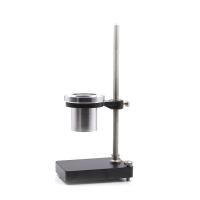 MODERNER FORD-2 No. 2 Ford Viscosity Cup anodic oxidation aluminum cup body viscosity range 20~120cst
 -
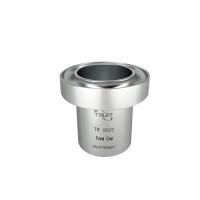 TRUIT TR 1002/2 FORD Viscosity Cup outflow aperture φ2.53mm$ 126.00SE
 -
 IPRE SR600 anchor pattern instrument shot peening sand blasting Roughness Gauge 0~2000a large range$ 275.00SE
 -
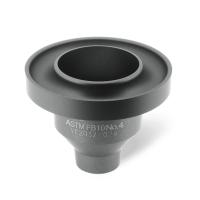 TQC No. 2 Ford Ford Viscosity Cup ASTM2 Viscosity Cup 2.53mm$ 482.00SE
 -
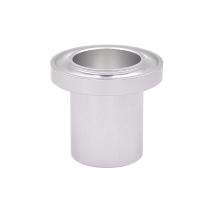 YONGLIDA FORD-2 Ford Viscosity Cup varnish viscosity measurement cup$ 162.00SE





Factory Ford-2# Ford Viscosity CupSPEC
Factory Ford-2# Ford Viscosity CupDetails
Factory Ford-2# Ford Viscosity CupPacking list

- SKU
- NB043903
- flow hole diameter
- 2.53mm
- outflow time
- 40-100s
- Applicable standards
- ASTM D1200、ASTM D333、ASTM D365
- Viscosity range
- 25-120cSt
- Capacity
- 100ml±1ml
- Cup height
- 43±0.1mm
- Cup body material
- aluminum alloy
- Filter material
- 304 stainless steel
- Flow hole length
- 10mm±0.1mm
- Cup outer diameter
- 86mm±0.1mm
- Cup inner diameter
- 50mm±0.05mm
Introduction
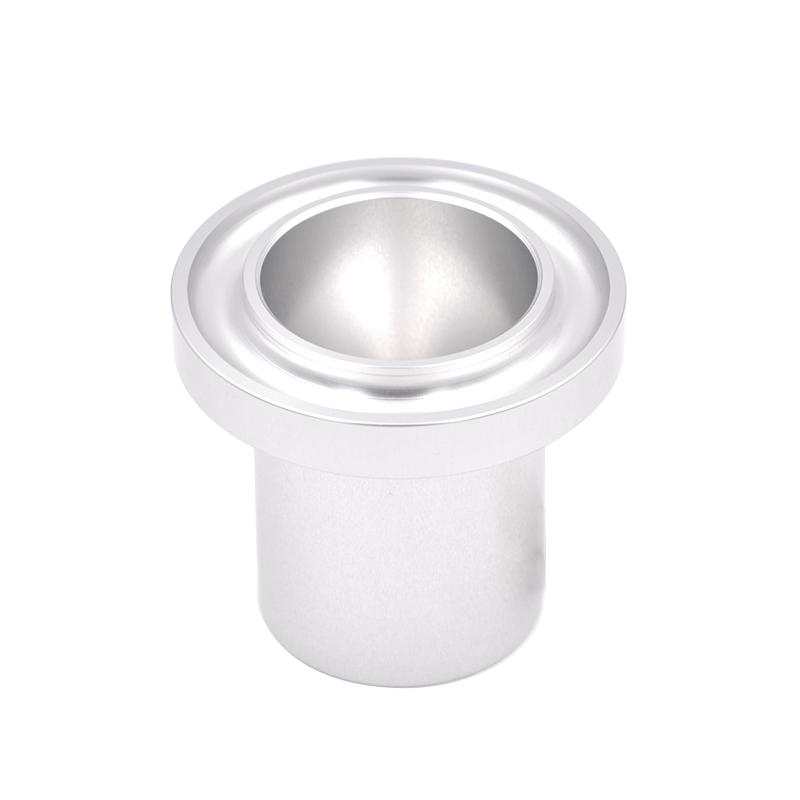
The Ford Cup is a standard test equipment for viscosity measurement of paints, coatings and similar substances, commonly used for quality control and R&D in the paint and coatings industry. The Ford cup is a Viscosity Cup used to measure the fluidity and viscosity of a liquid to determine its flow properties. According to the American Society for Testing and Materials paint and raw material standards ASTM D1200, D333, D365, the capacity is approximately 100ml.
The outflow aperture of the Ford-2# Ford cup is 2.53mm, made of aluminum alloy, and the cup mouth is made of stainless steel. The viscosity measurement range is 25-120cst. It is suitable for viscosity testing of coatings, paints, and inks.
Principle
The principle of the Ford cup is based on the relationship between outflow velocity and liquid viscosity. Under certain conditions, the liquid in the Ford cup will flow out of a fixed hole, and the time it takes to flow out is used to evaluate the viscosity of the liquid. Different models of Ford cups have different apertures and designs for measuring liquids with different viscosity ranges.
Way of working
The typical structure of a Ford cup is a conical cup with a small hole in the bottom. During the test, the cup is filled with the liquid to be tested, and then the cup is turned upside down and fixed on a stand, and the liquid flows out through the small hole. By measuring the time it takes for the liquid to flow out of a small hole, the viscosity of a liquid can be calculated.
- 1Viscosity cup introduction and selection guide
- 2Analysis of the principle, use and application of Ford6 viscosity cup
- 3Measurement accuracy and efficiency of viscosity cup
- 4Coating viscosity determination - viscosity cup Yiwen
- 5Analysis of factors affecting viscosity
- 1ASTM ASTM D1200《Standard Test Method for Viscosity by Ford Viscosity Cup》
- 2ASTM 《Standard Test Method for Viscosity by Ford Viscosity Cup》
- 3ASTM D1200-2010《Standard Test Method for Viscosity by Ford Viscosity Cup》
- 4JJG 743-2018《Flow Cup Viscometers》
- 5ASTM D333-2021《Standard Guide for Clear and Pigmented Lacquers》
- 6ASTM D1200-2018《Test method for viscosity by Ford viscosity cup》