
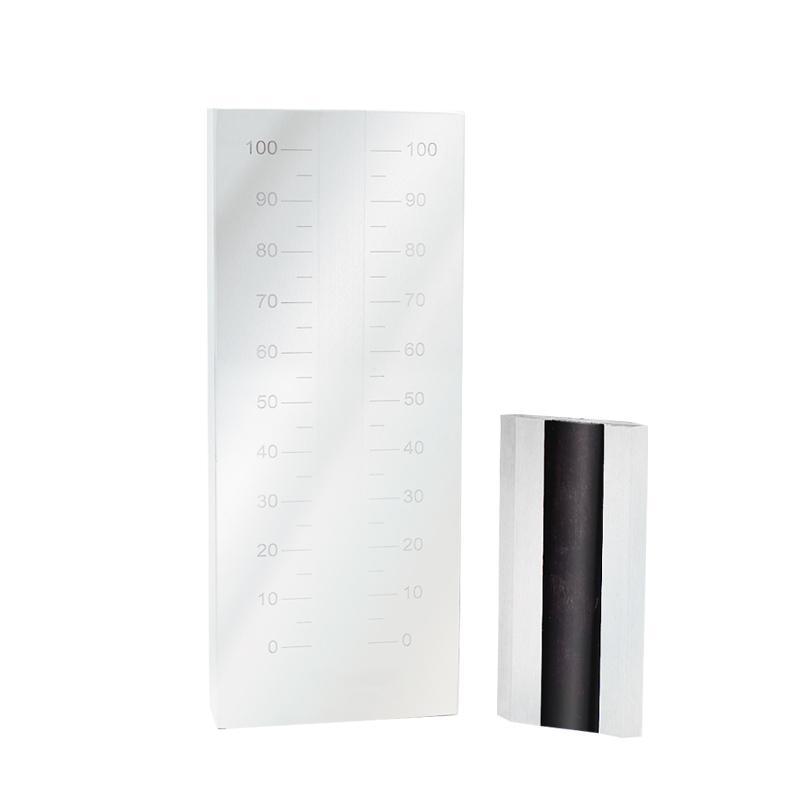
CHINA QXD-500 Zirconia Ceramic Fineness gauge single-channe Fineness gauge 0~500μm
 QXD-500

HuiNuo QXD-500 Single-channe fineness gauge of zirconia ceramicsSPEC
HuiNuo QXD-500 Single-channe fineness gauge of zirconia ceramicsDetails
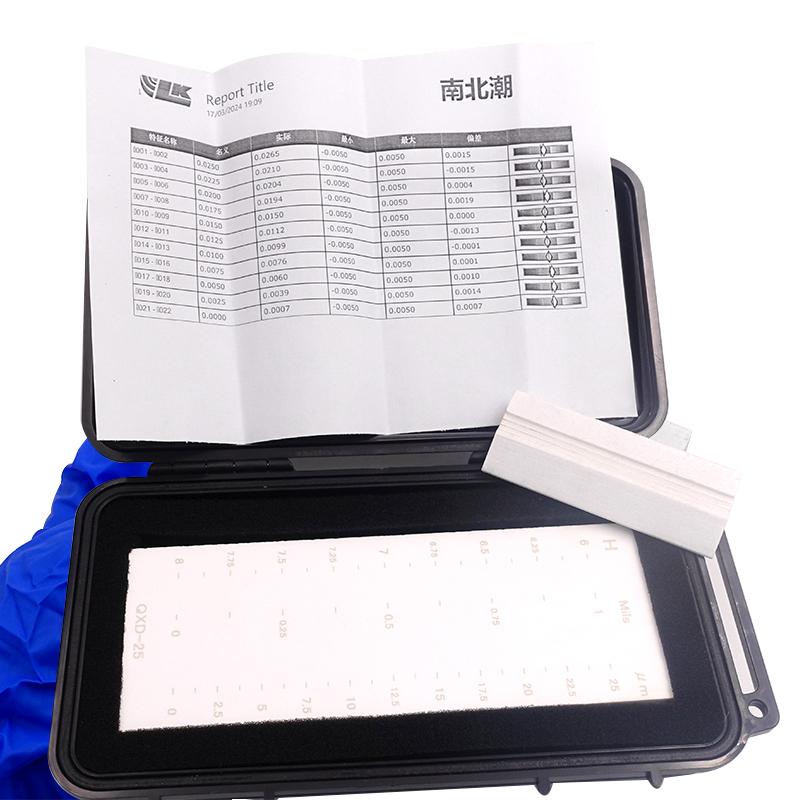
HuiNuo QXD-500 Single-channe fineness gauge of zirconia ceramicsPacking list

- SKU
- NB045138
- scraper material
- zirconia ceramics
- range
- 0~500μm
- Graduation
- 25μm
- Number of grooves
- Article 1
- Groove size
- 140*12.5mm
- Scraper type
- Single-channe
- Dimensions
- 175 x65 x 13mm
Introduction
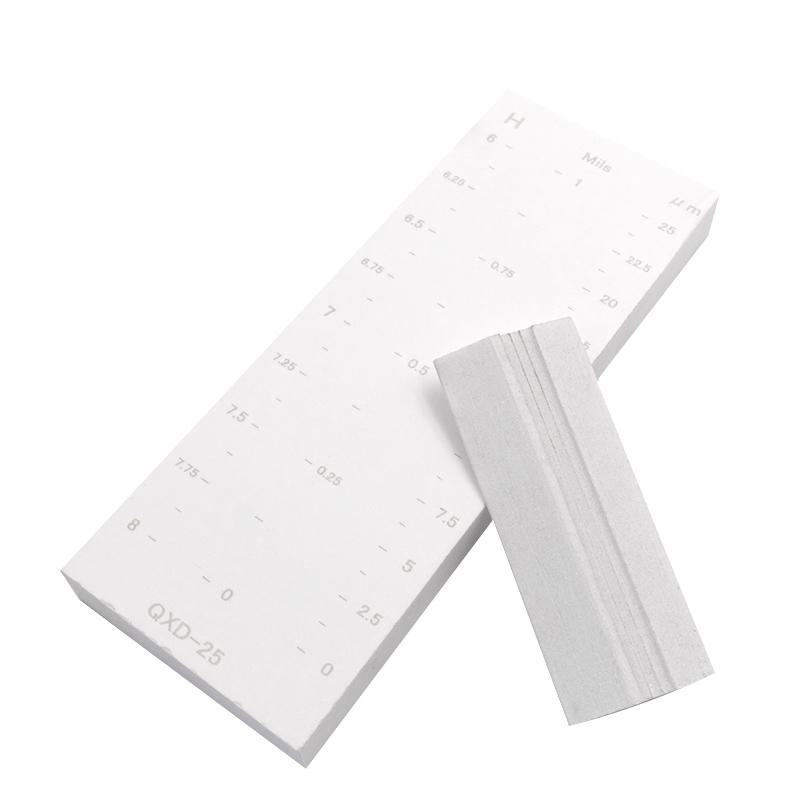
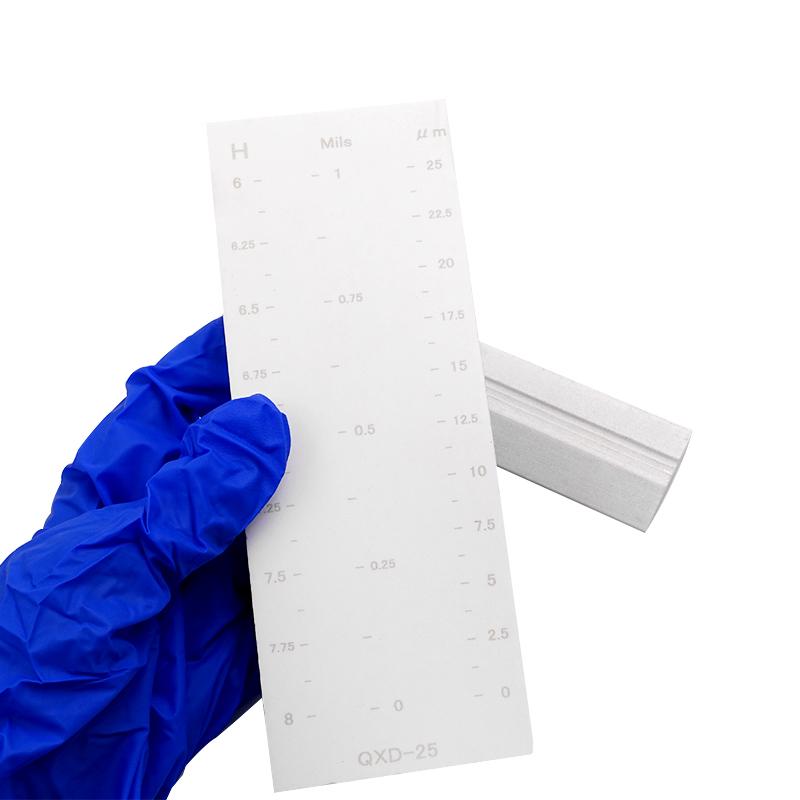
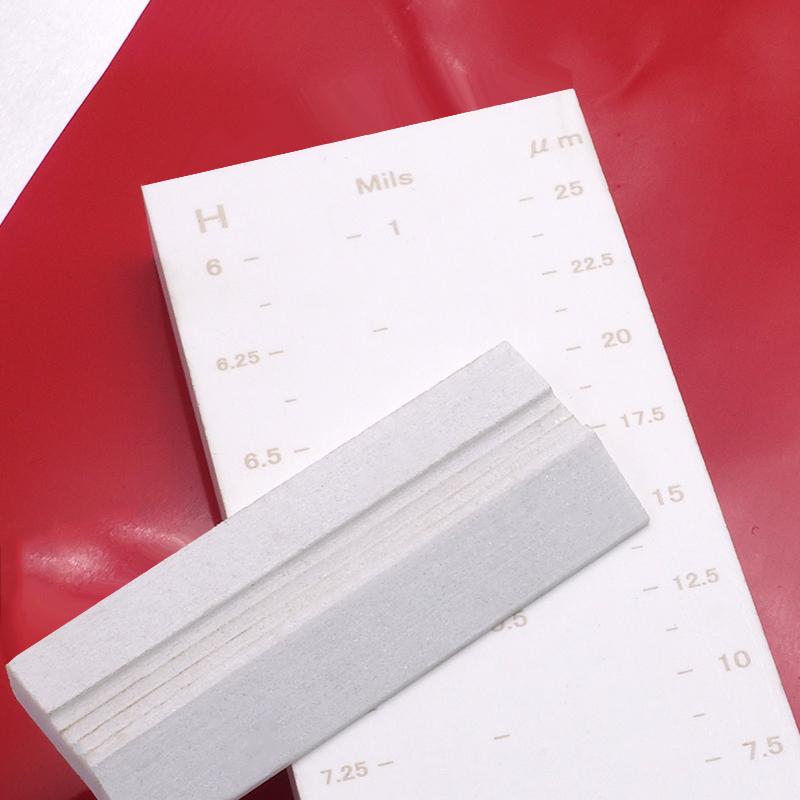
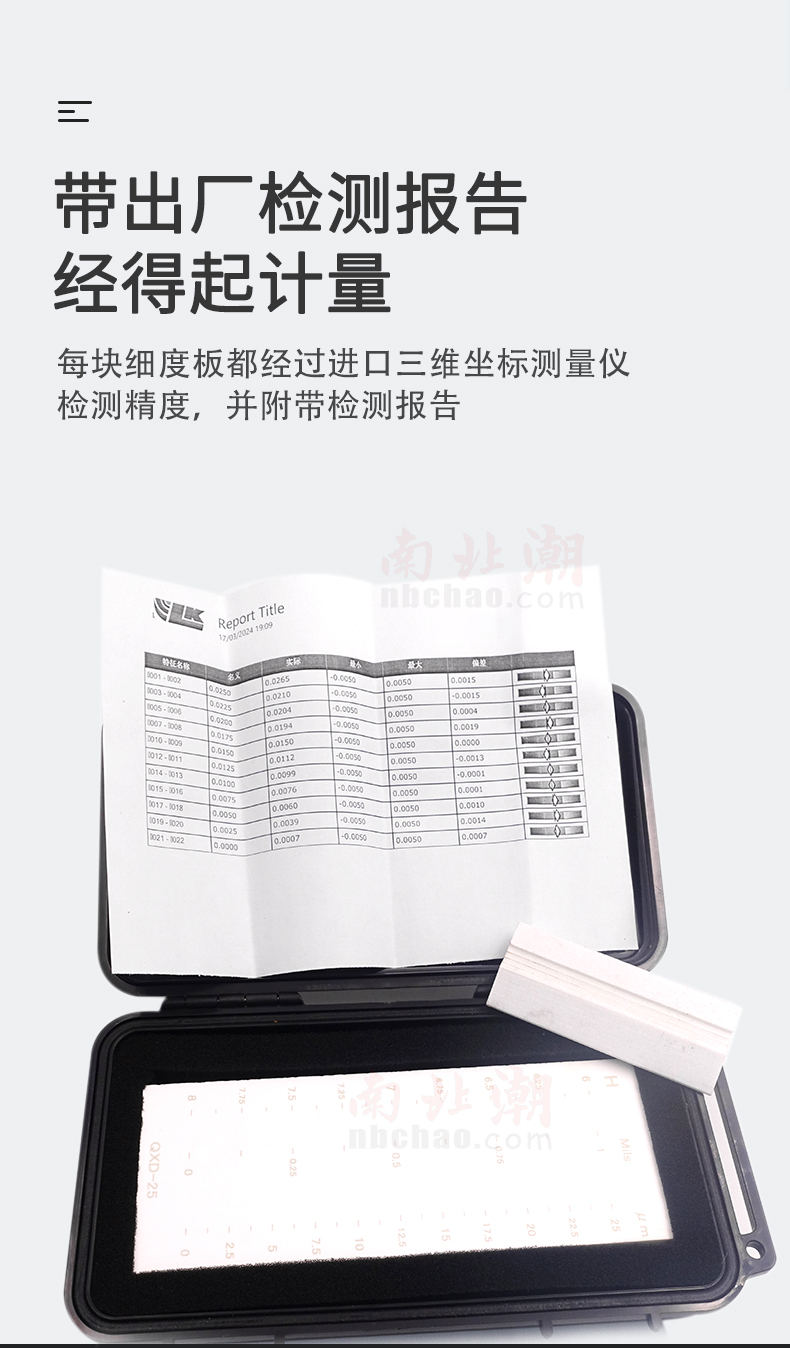
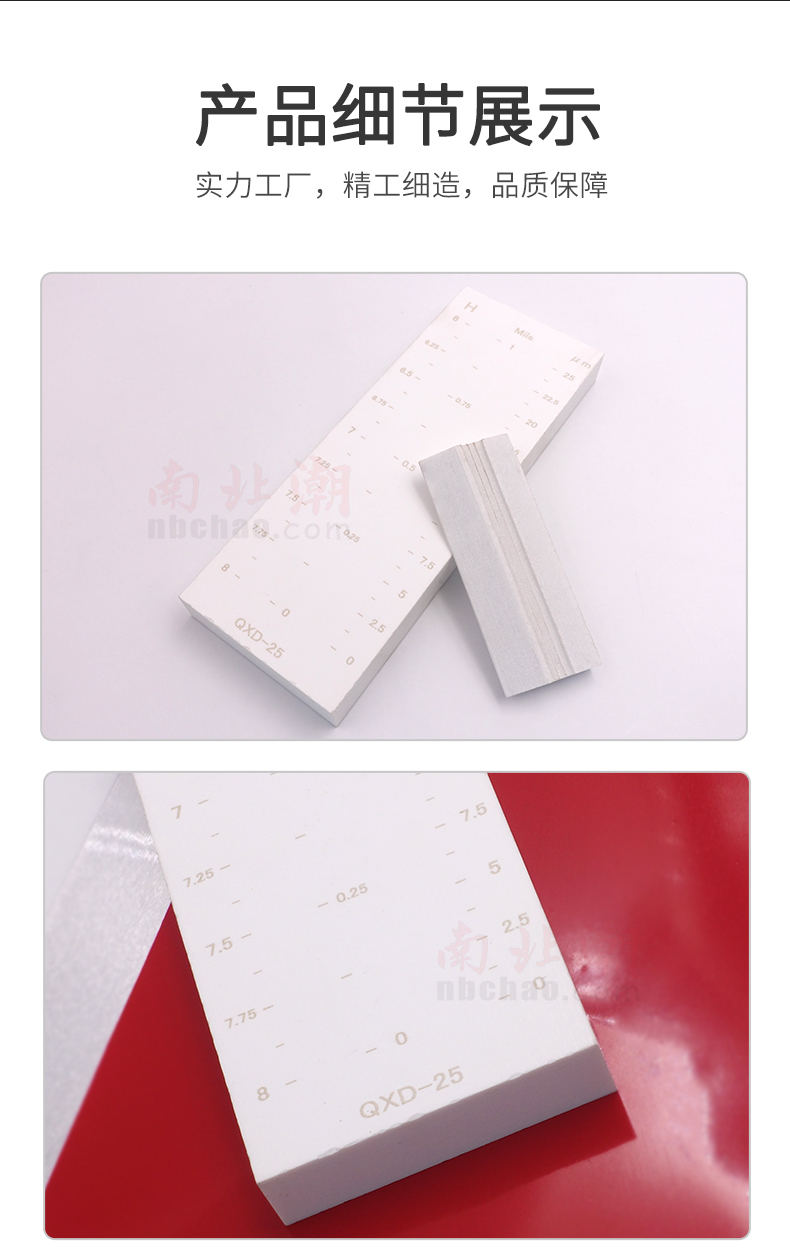
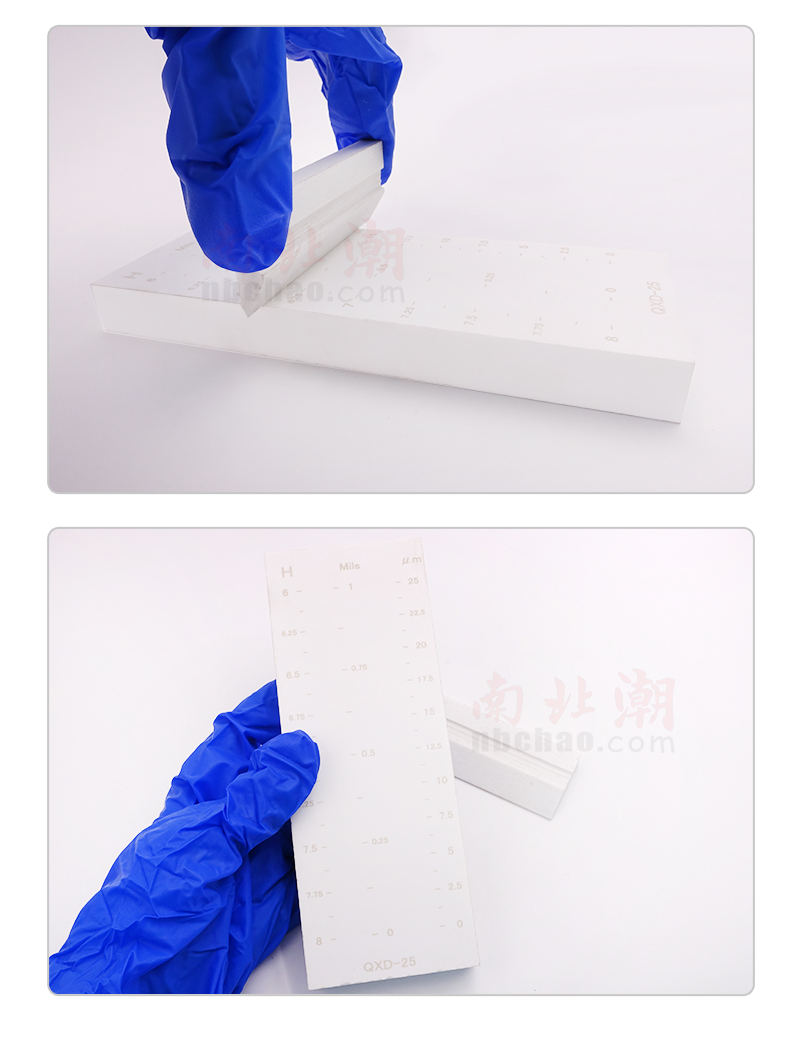
A scraper Fineness Meter is an instrument used in a laboratory setting to evaluate the fineness of particles such as pigments, inks, paints, colorants, etc. It consists of two parts, a scraper and a scraper, by carving one or two grooves of different shades on the scraper, and then using a scraper to scrape the test sample from deep to shallow, and observe the particle fineness by the naked eye. This method is based on physical principles and is relatively simple.
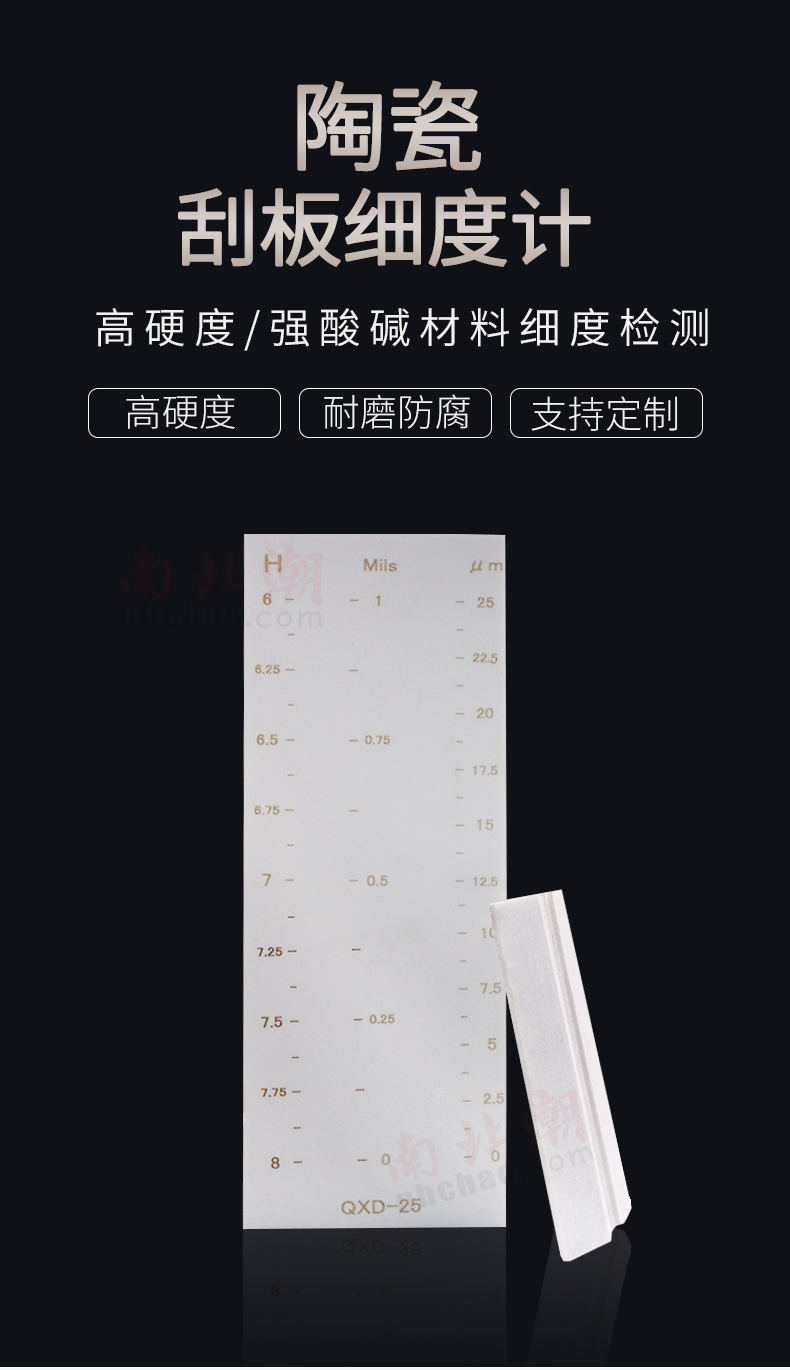
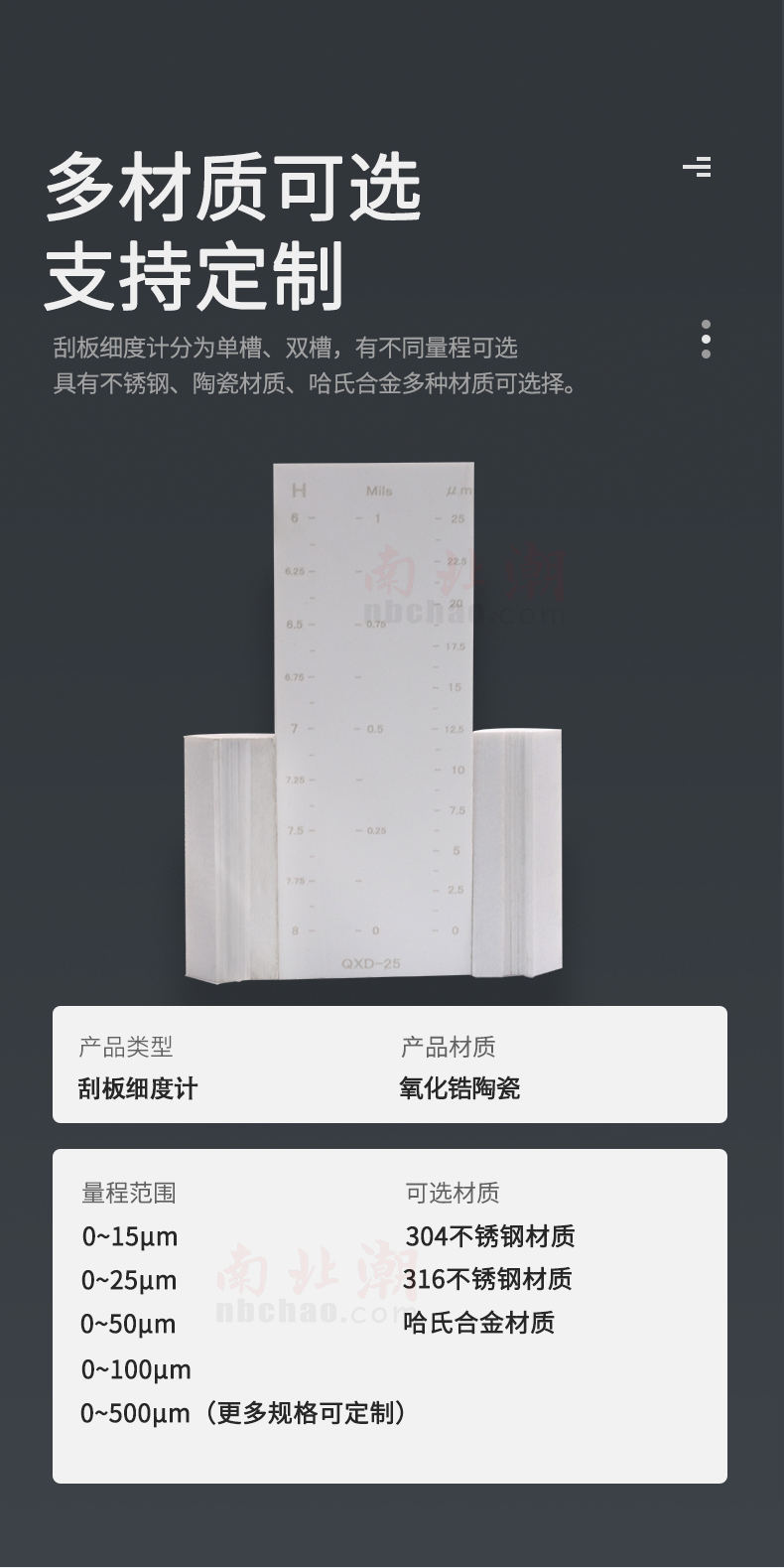
The domestic (CN) QXD-500 zirconia ceramic Fineness Meter is a standard single-groove scraper Fineness Meter, with a range of 0~500μm and a groove size of 140×12.5mm.
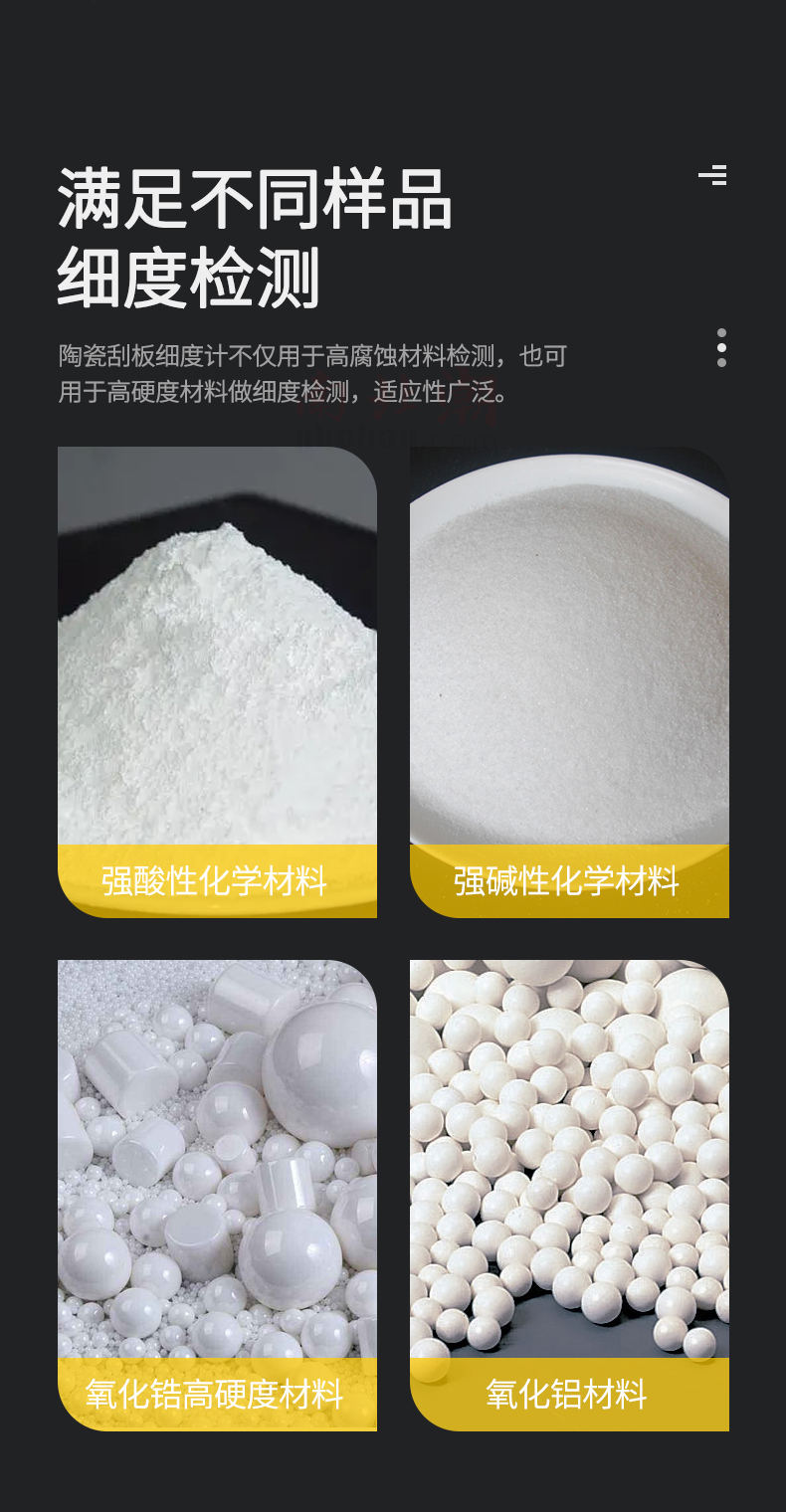
Advantages of zirconia ceramic
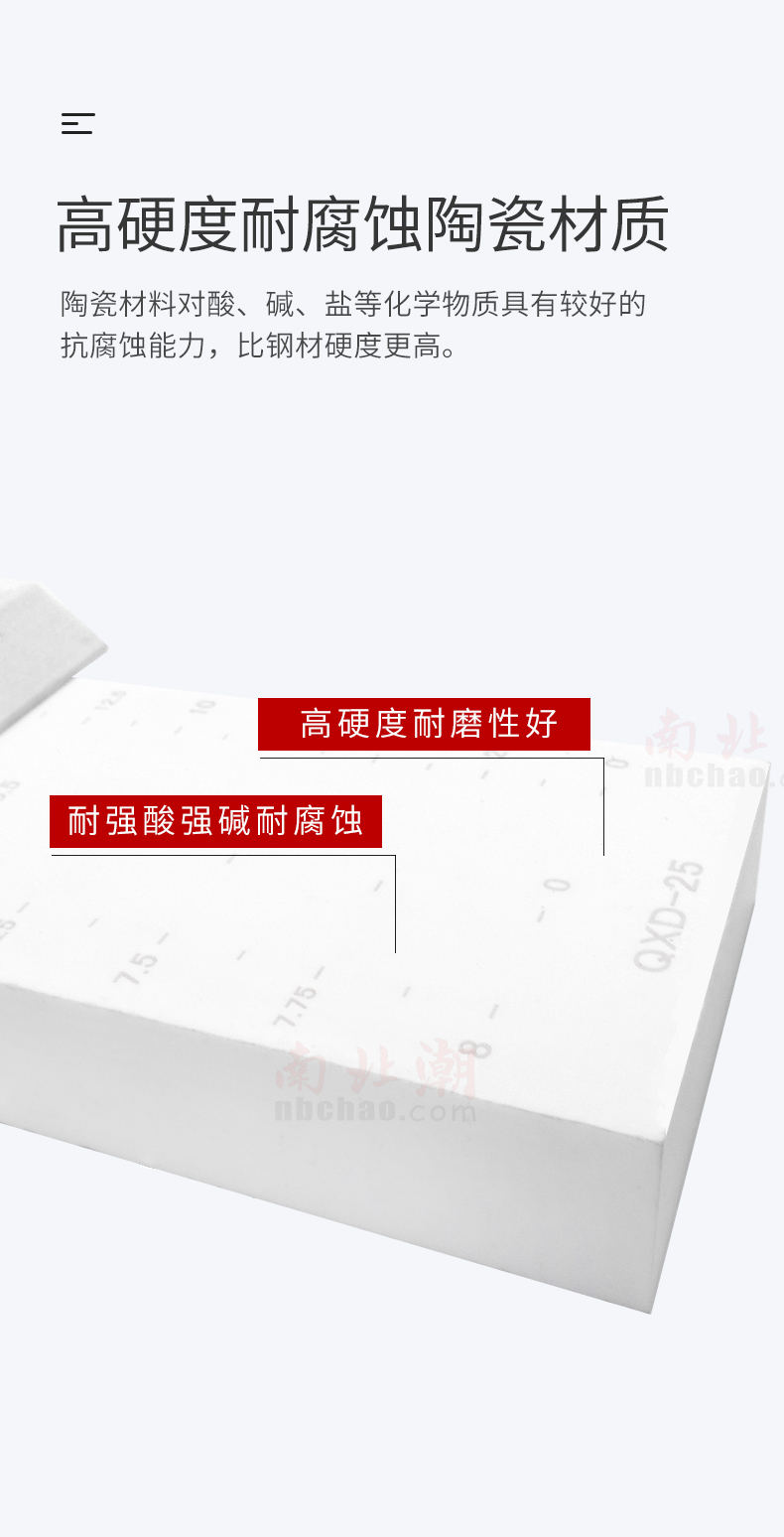
Hardness and wear resistance: Zirconia ceramics have high hardness and wear resistance, which allows them to keep the surface flat and stable during the measurement process, thereby improving the accuracy and repeatability of the measurement.
Chemical Stability: Zirconia ceramics have good stability to many chemicals and are not susceptible to corrosion or chemical reactions, which gives them an advantage in measurements involving chemical samples.
High temperature stability: Zirconia ceramics have good stability and resistance in high-temperature environments, making them suitable for applications that require measurements at high temperatures.
Insulation properties: Zirconia ceramics have good insulation properties and can be applied in the field of electrical and electronics.
Applications
It is used to determine the corrosive material test in the fields of coatings, paint pastes, plastics, inks, paper, etc.