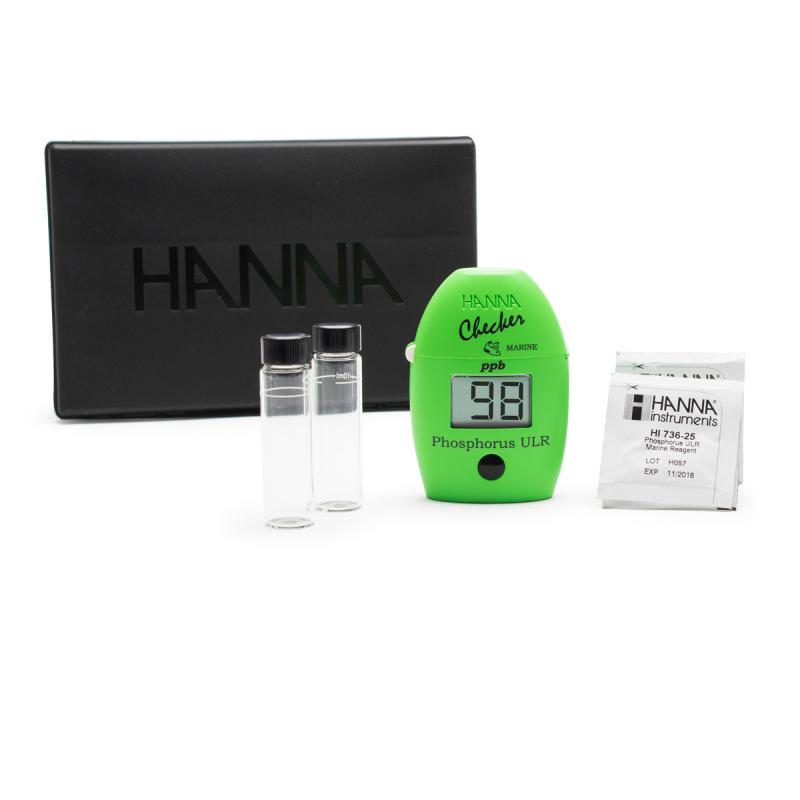

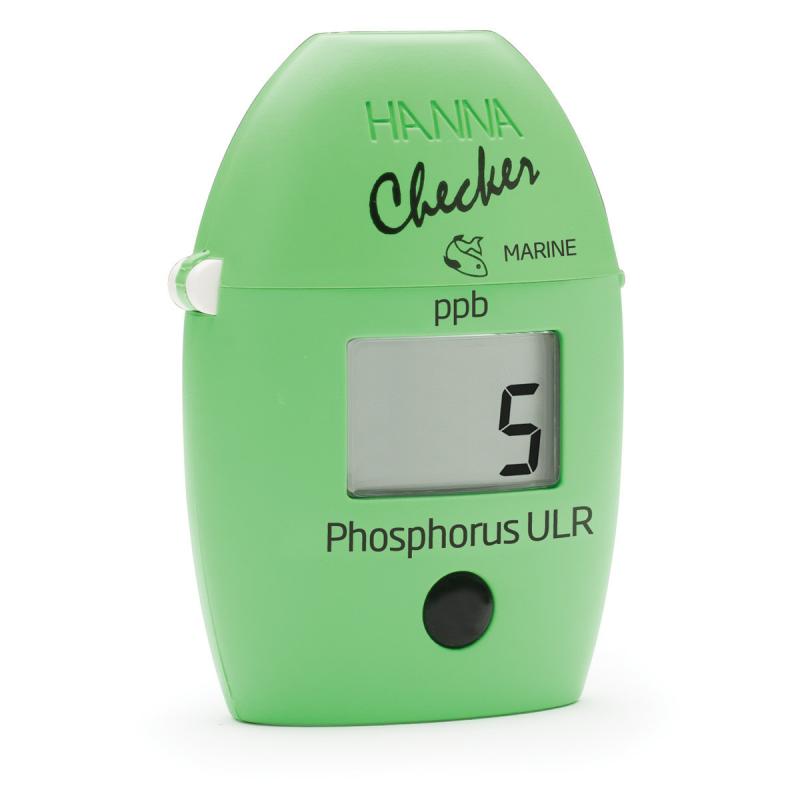

HANNA HI764 Nitrite ULR Tintometer
SE HI764
HI764

HANNA HI764 Nitrite ULR TintoMeterSPEC
HANNA HI764 Nitrite ULR TintoMeterDetails
HANNA HI764 Nitrite ULR TintoMeterPacking list

- SKU
- NB045618
- Measurement range
- 0 to 2000 ppb NO2-N
- resolution
- 1 ppb
- Accuracy
- +/- 10 ppb +/- 4% of the reading
- Light source
- LED @525nm
- Automatic shutdown
- No operation after two minutes
- Measuring method
- EPA 354.1 Diazo method ferrous sulfate method
- optional reagents
- HI764-25
- calibration group
- HI764-11
Introduction
Nitrification refers to the process in which ammonia (ammonium ions) is converted into nitrite and then into nitrate under biological oxidation. During one stage of the nitrification process, nitrifying bacteria convert ammonium ions into nitrite. Nitrite, like ammonia, is a toxic and harmful substance, so the content of the above two substances in the water must be controlled at an undetectable concentration level. A mature biofilter should also keep nitrites at low levels.
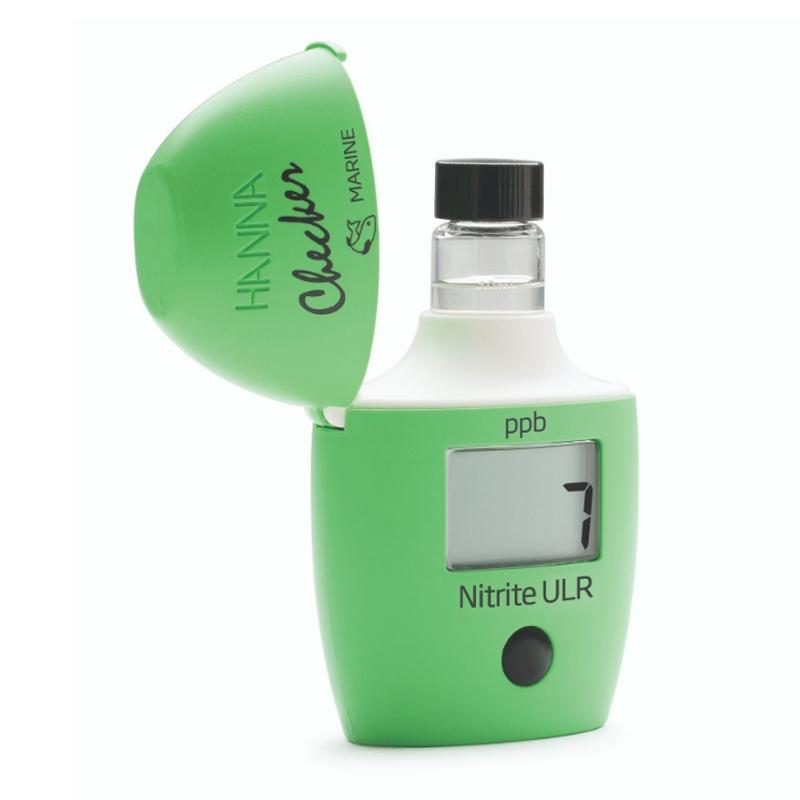
HI767 Nitrite ULR Colorimeter is an experimental instrument used to detect the nitrite content in water samples. The HI767 Nitrite LR Colorimeter is based on the chemical reaction that occurs between nitrite and reagents. The concentration of nitrite in a water sample is determined by measuring the optical properties of this chromogenic compound, such as absorbance or color intensity.
HI767 Nitrite ULR Colorimeter is an experimental instrument used to quickly and accurately measure the nitrite content in water samples. It is widely used in environmental protection, drinking water safety and other fields.
Features
Compared with traditional tungsten lamps and other light sources, LED light sources have better performance and higher luminous efficiency. They can use less energy to provide a stable light source. LEDs can ignore the heat they generate because higher heat will affect electronic products. stability.
HANNA's carefully designed CAL CheckTM function allows performance verification and calibration of the instrument using NIST traceable standards; CAL CheckTM NIST curve calibration set is used to simulate specific absorbance values ââat each wavelength to verify the accuracy of subsequent readings.