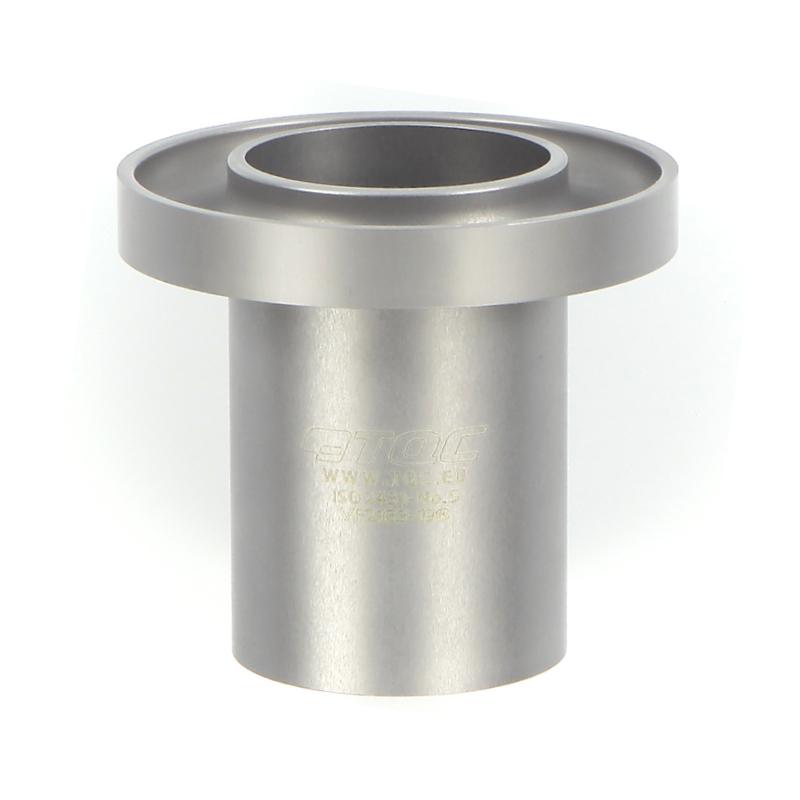
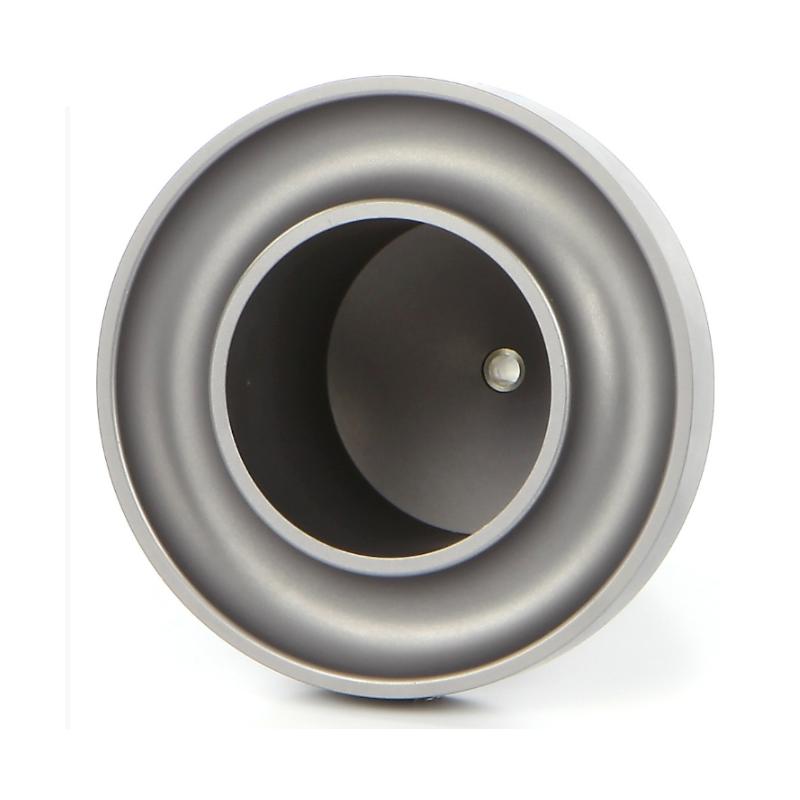
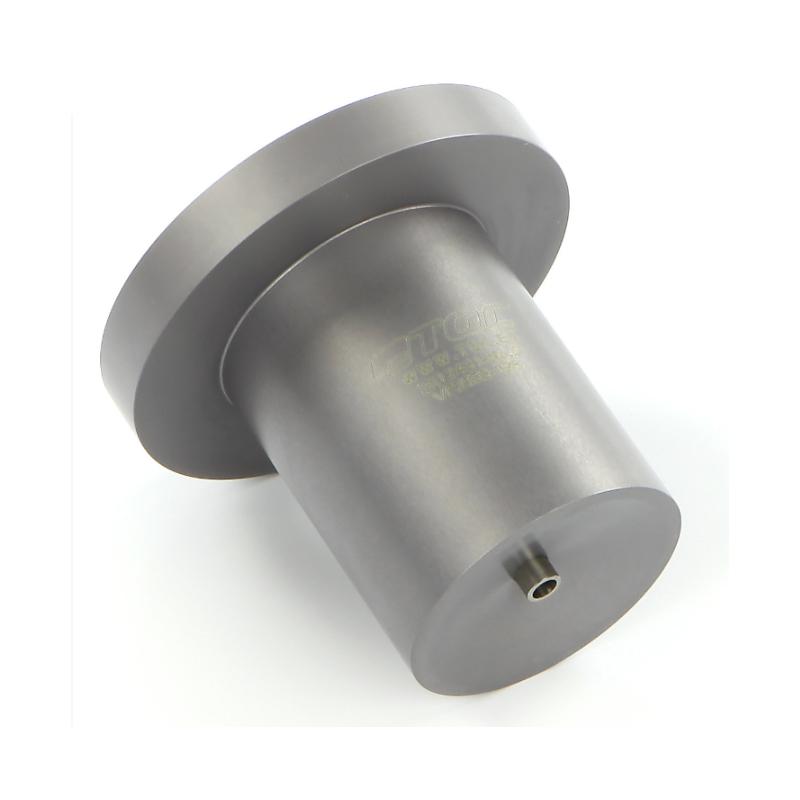
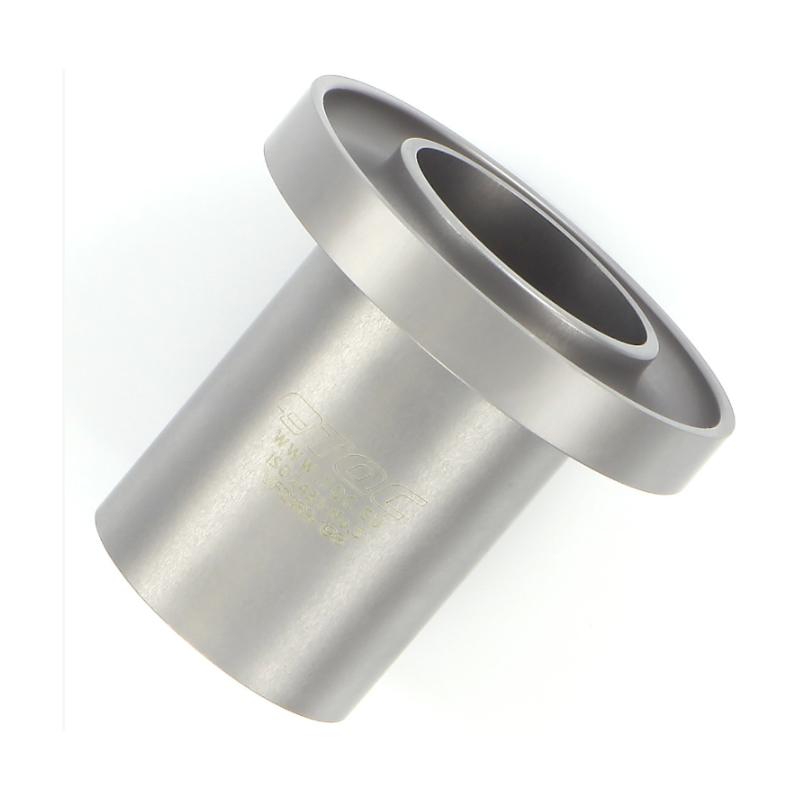

TQC VF2050 desktop Viscosity Cup 6mm filter
SE VF2050


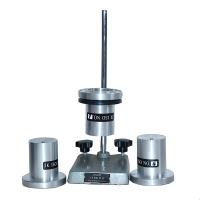
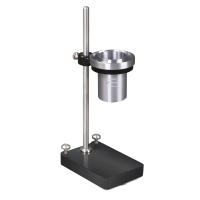
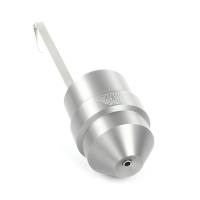
TQC sheen VF2050 Desktop Viscosity CupSPEC
TQC sheen VF2050 Desktop Viscosity CupDetails
TQC sheen VF2050 Desktop Viscosity CupPacking list

- SKU
- NB004728
- Viscosity range
- 188~684cSt
- flow hole diameter
- 6mm
- Cup height
- 85mm
- Maximum width
- 92mm
- Total height
- 92mm
- Cup body material
- Titanium anodic oxidation aluminum
- Filter material
- stainless steel
- Applicable standards
- ISO 2431
- Environmental temperature
- 23℃
- Certificate
- without
- Weight
- 337g

Introduction of TQC desktop Viscosity Cup
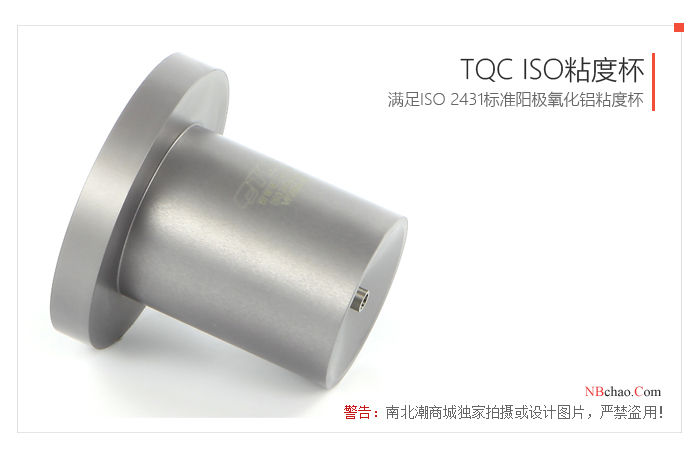
TQC desktop Viscosity Cup has VF2048, VF2049, VF2050, VF2051, VF2183 five models, all of which are made of titanium anodized aluminum, and are in line with the relevant provisions of ISO2431 international standards, there are 3mm, 4mm, 5mm, 6mm, 8mm five filter diameters, the viscosity range of the test is different, and the viscosity value test of the viscosity range of 7~2000cst can be realized. The filter section of the TQC benchtop Viscosity Cup has a small protrusion.
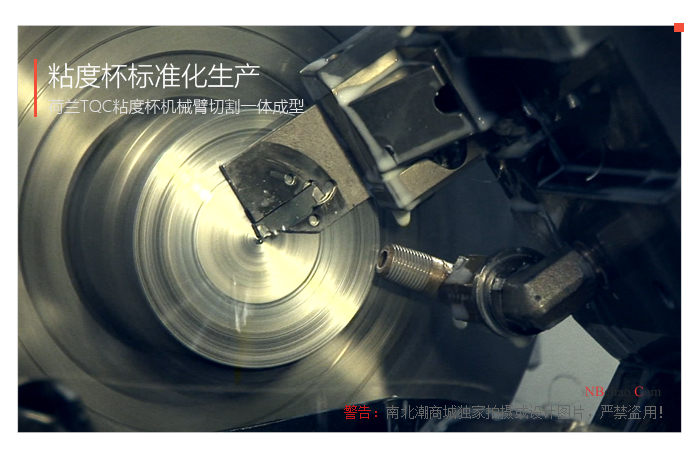
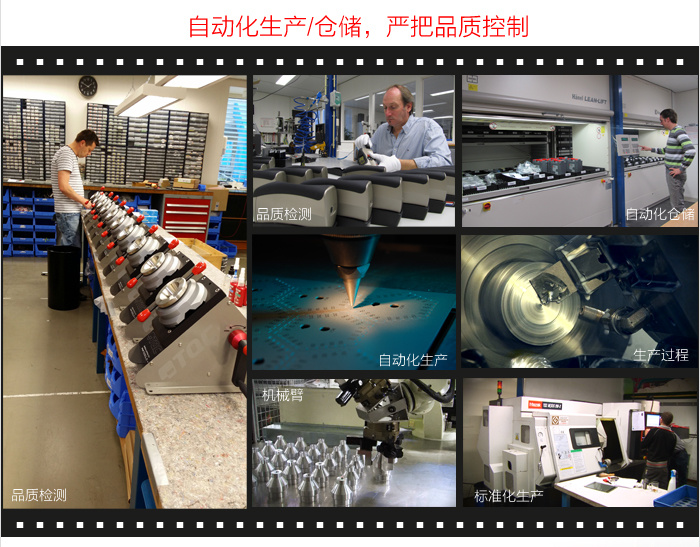
Originally designed for rapid viscosity and consistency assessment of products that conform to or are close to Newtonian mechanical properties, TQC benchtop Viscosity Cup aluminum provides a high degree of accuracy and repeatability based on production quality. The TQC benchtop Viscosity Cup provides outstanding test quality. These viscous cups are produced from selected high-grade materials, using the latest computerized machining technology, and under strict quality control conditions. The smooth, bright surface decoration makes the product easy to use and clean, guaranteeing a long working life.
Parameters
| Cup number | Model | Filter diameter | Viscosity range |
| Number 3 | VF2048 | φ3mm | 7~42cSt |
| Number 4 | VF2049 | φ4mm | 34~135cSt |
| Number 5 | VF2183 | φ5mm | 91~326cSt |
| Number 6 | VF2050 | φ6mm | 188~684cSt |
| Number 8 | VF2051 | φ8mm | 600~2000cSt |
| Other parameters | |||
| Material | Titanium anodized aluminum | ||
| standard | ISO 2431 | ||
Live shot
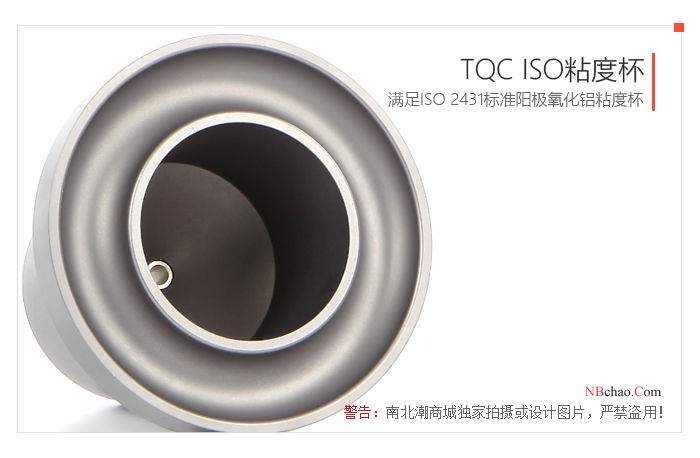
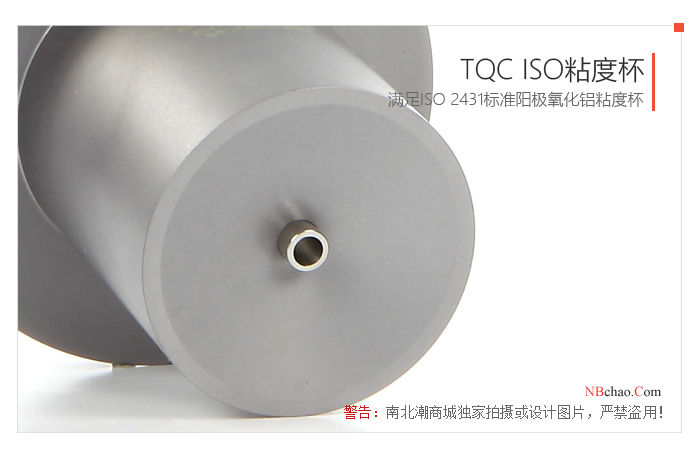
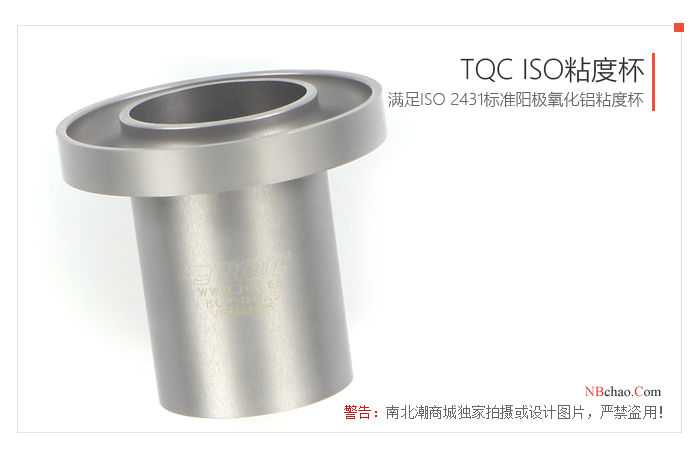
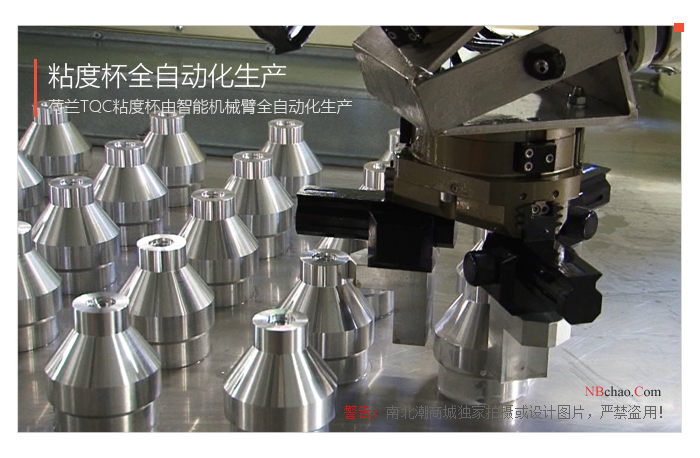
CST units
The unit of kinematic viscosity is Stokes, i.e. Stokes, or S. for short. When the dynamic viscosity of the fluid is 1 poise and the density is 1g/cm3, the kinematic viscosity is 1 Stokes. cSt is an abbreviation for Centistokes, which means centis, i.e. one hundredth of 1 stokes. Cstis is the smallest unit of kinematic viscosity.
Maintenance precautions
Viscosity cups have short pore lengths (i.e., cup wall material), so any change in the pore will have a significant impact on the outflow time. Therefore, it is necessary to clean the Viscosity Cup with a suitable fine brush and solvent, and do not use other cleaning methods and cleaning tools that will cause scratches.
In order to ensure accurate measurement results, it is recommended to purchase at least 1 standard Viscosity Cup with a calibration certificate. By comparing the results of the measured benchtop Viscosity Cup with the standard product sample of the standard product measured by the standard cup, a correction chart is drawn, so that the outflow time can be corrected by the chart, so as to obtain the correct test result.
How to use:
1) Select the appropriate tabletop Viscosity Cup (check the outflow time)
2) Ensure that the Viscosity Cup and test fluid are at the desired experimental temperature.
3) Make sure that there are no bubbles and debris in the fluid.
4) Seal the outflow hole (you can use your hands), fill it with fluid, scrape the excess test solution into the edge groove of the Dutch TQC desktop Viscosity Cup, and place the receiving cup.
5) Release your hand from the outflow hole and start the timer, ending the meter when the first break point occurs in the fluid
Time. The calculated time is the viscosity time corresponding to the test fluid (representing its conditional viscosity in seconds).
6) Fixed flow test method: The procedure is similar to Article 5, but the stop timer should be when 50ml of fluid is flowing.
TQC Model Selection
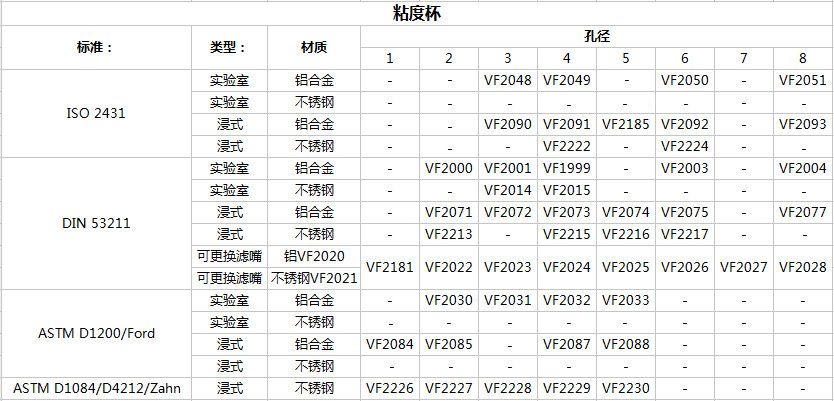
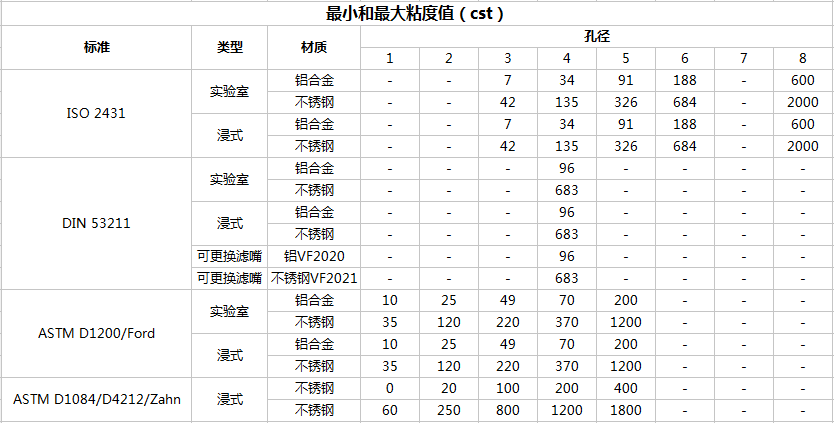
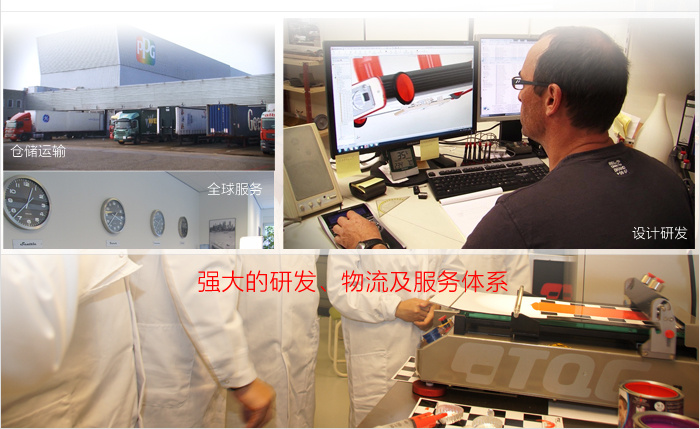
Take you to the Dutch TQC

- 1HB 5351.1-2004《Test method for properties of investment casting slurry-Part 1:Determination of viscosity》
- 2GB/T 33374-2016《Ultraviolet curable coatings—Determination of volatile content》
- 3GB/T 1727-2021《General methods for preparation of coating films》
- 4TB/T 2260-1991《Technical conditions for supply of anti-rust primers for railway rolling stock》
- 5ASTM D5125-2020《Standard Test Method for Viscosity of Paints and Related Materials by ISO Flow Cups》
- 6JJG 743-2018《Flow Cup Viscometers》
- 7ASTM D5125-2020《Viscosity Determination of Coatings and Related Materials by ISO Flow Cup》
- 8ISO 2431-2019《Paints and varnishes flow time with Flow Cup》
- 9HG/T 2244-1991《Machine primer》
- 10HG/T 2243-1991《Machine tool topcoat》