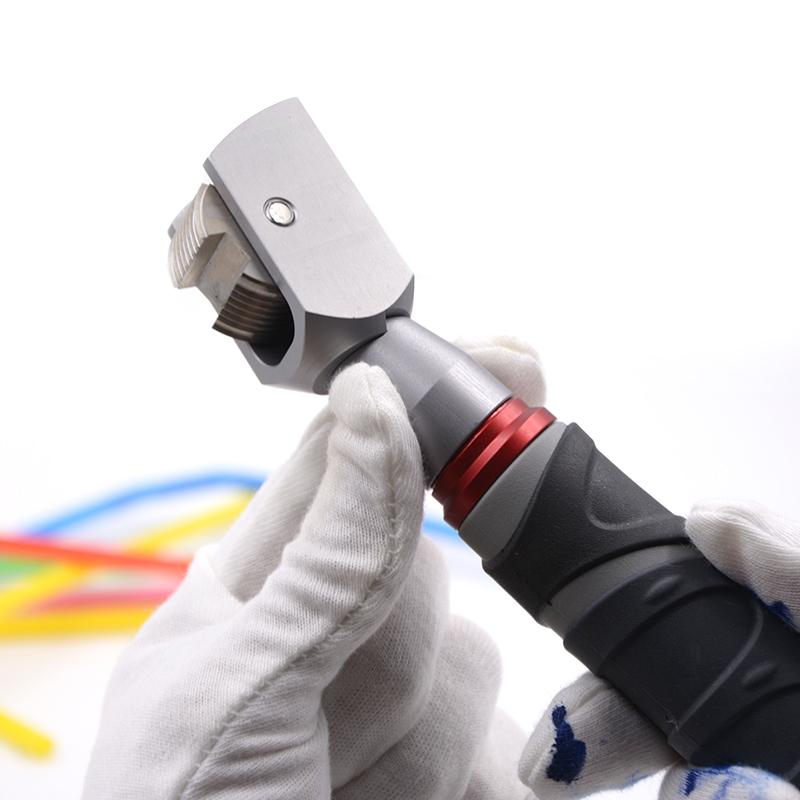

TQC VF1842 Multivariate Cross Hatch Cutter Set CC1000 Series
 VF1842

TQC sheen VF1842 Multivariate Cross Hatch CutterSPEC
TQC sheen VF1842 Multivariate Cross Hatch CutterDetails
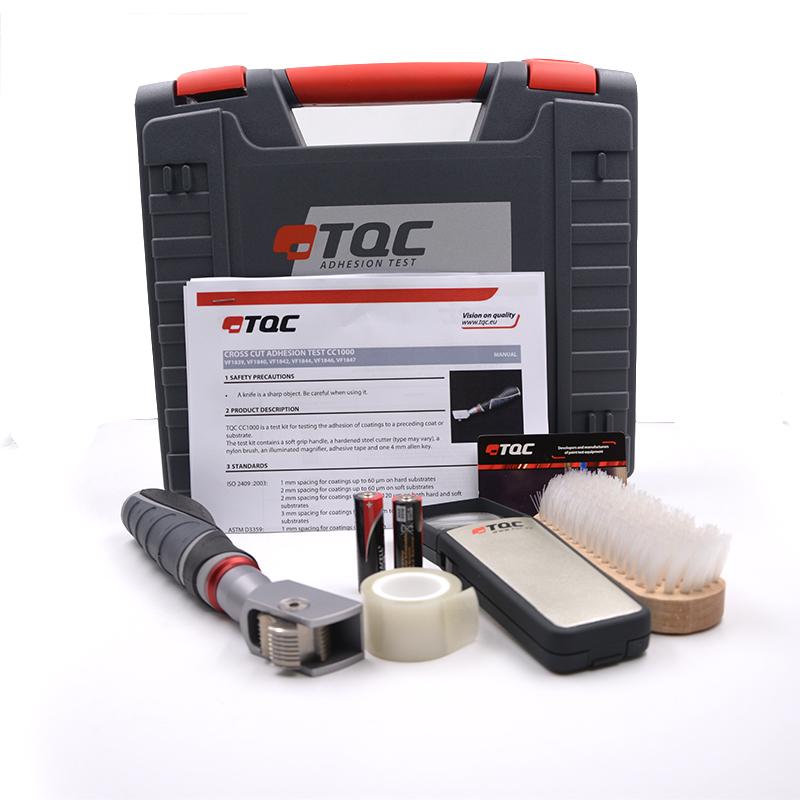
TQC sheen VF1842 Multivariate Cross Hatch CutterPacking list

- SKU
- NB004736
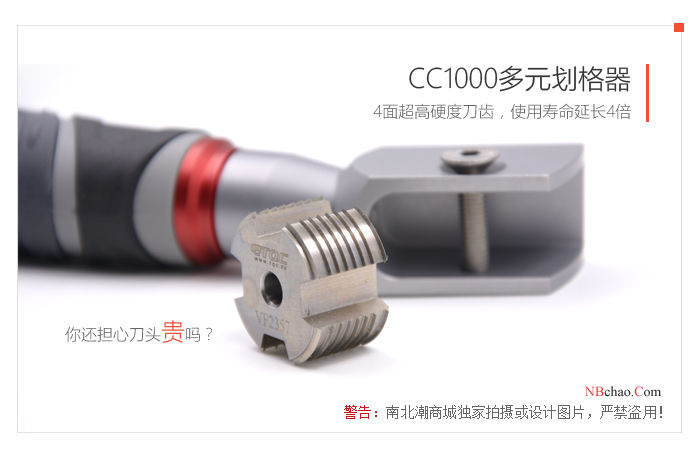
- Number of teeth
- 6 teeth
- Tooth spacing
- 2mm
- Instrument material
- Vacuum hardened stainless steel, aluminum, rubber
- Application standard
- ISO2409、ASTM D3359
- Applicable film thickness environment
- 50~125μm
- Appearance size
- 32*210*42mm
- Instrument Weight
- 331g
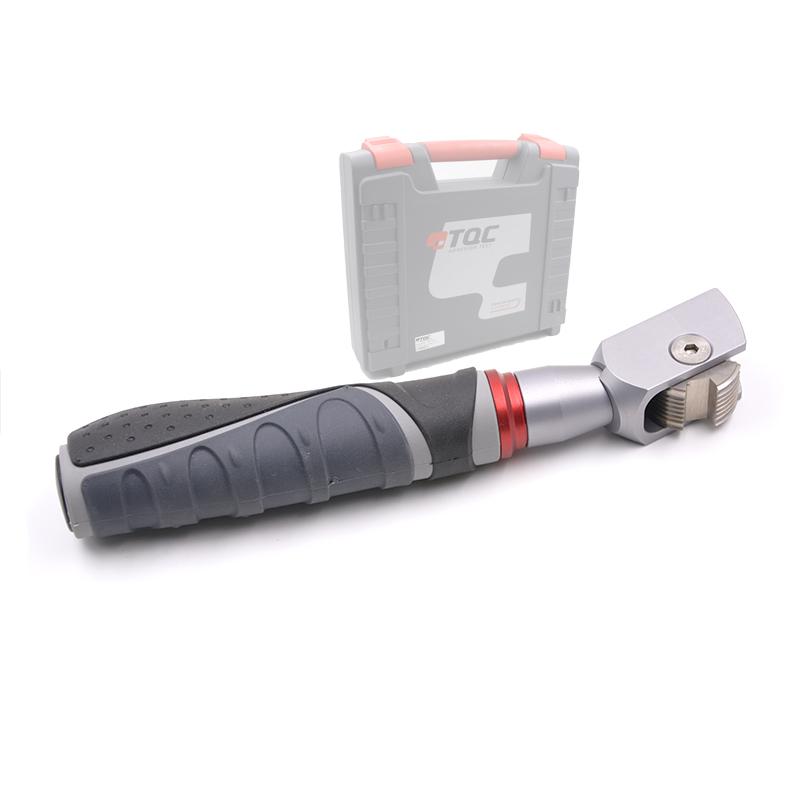
Introduction
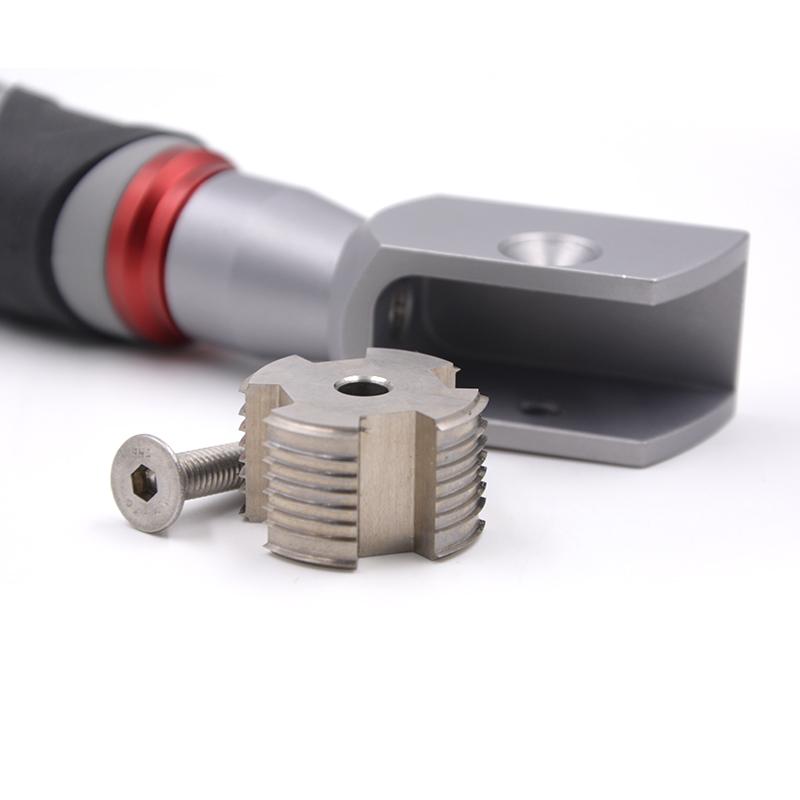
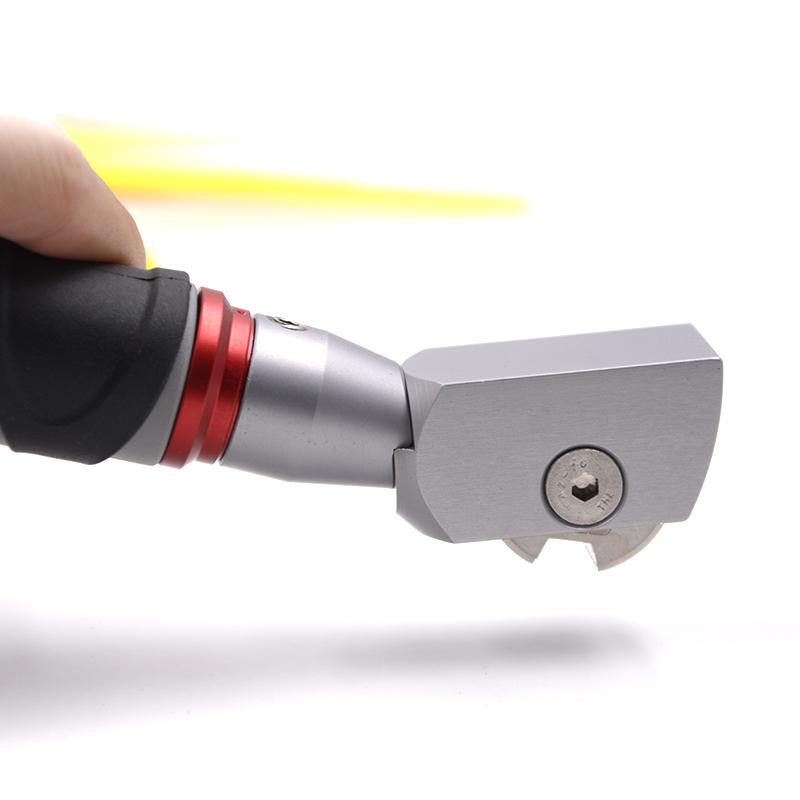
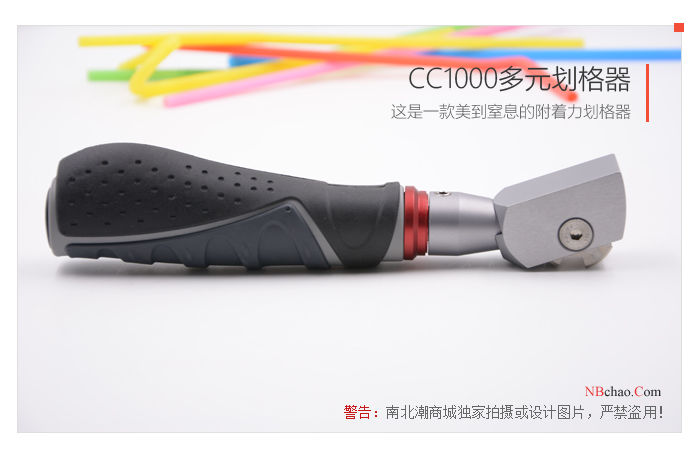
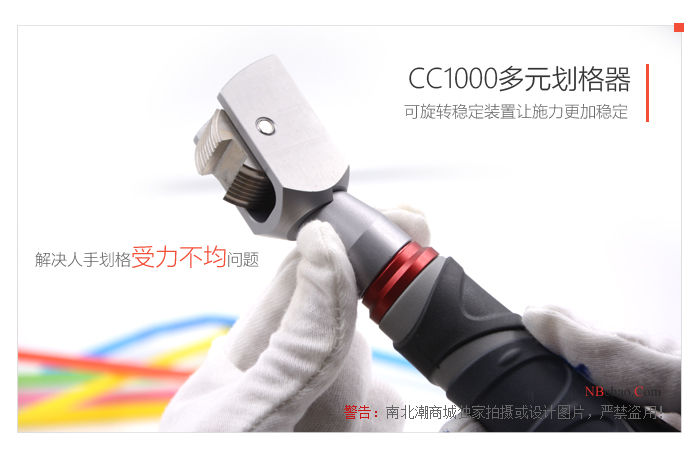
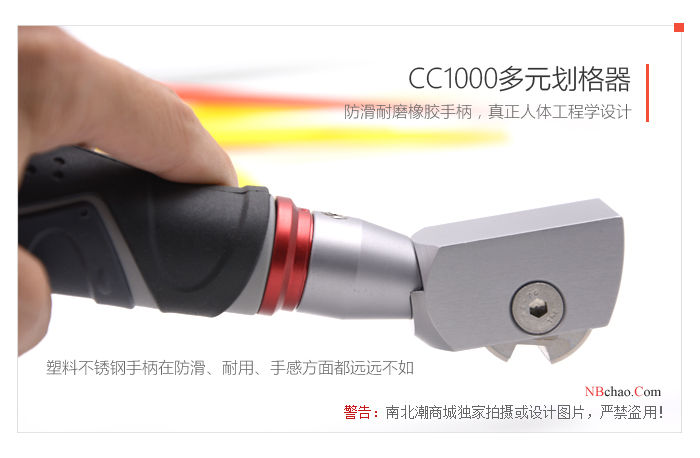
TQC CC1000 series multi-element cross-cutters include five models: VF1839, VF1842, VF1844, VF1846, and VF1847, corresponding to different coating film thicknesses. The CC1000 series scratcher has an automatically adjustable blade holder, which ensures a balanced pressure on the blade. This round cutter has eight cuts.
Product acessories
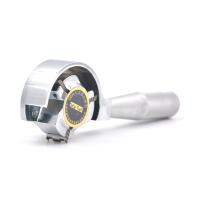
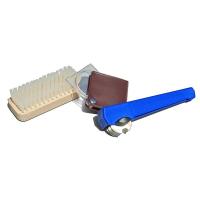
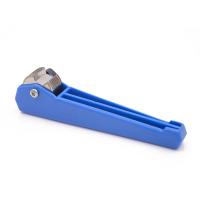
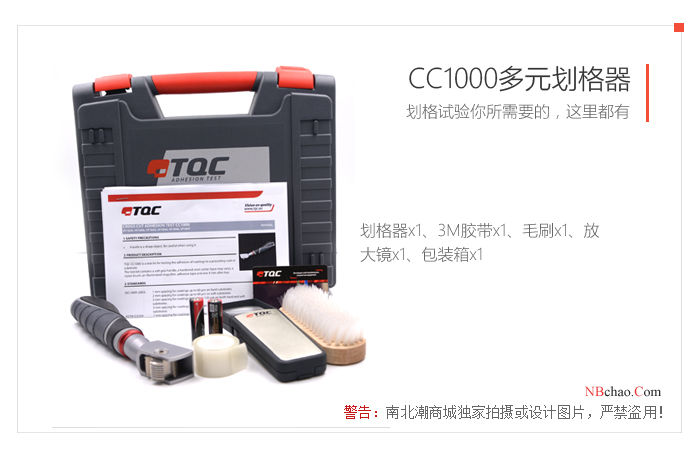
The tool box for the TQC CC1000 series multi-element grating Tester contains: a soft and easy-to-grip handle, a hard cutting blade (the blade is replaceable, see above), a nylon brush, an illuminated magnifying glass, and tape.
Real photos of CC1000 scratcher

Principle
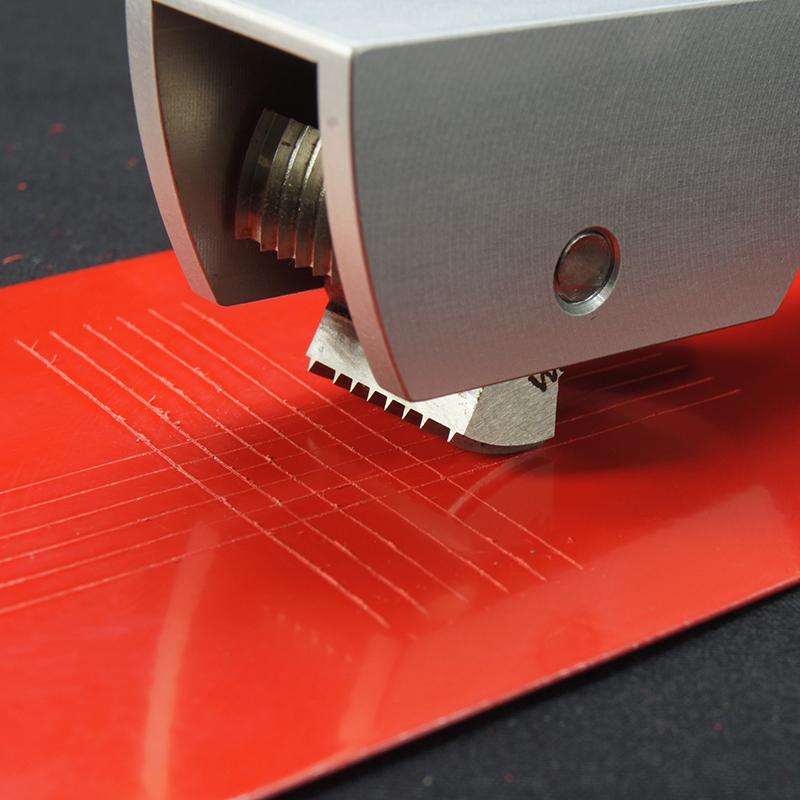
TQC CC1000 series multi-element cross-hatch device uses the Principle of the cross-hatch method. The cross-hatch method is a test method for measuring the adhesion of dry coating on the surface. It uses a row of 6/11 blades between two outer conductors. Mark out 25/100 squares and determine the evaluation level through comparison. Measures the adhesion of a dry coat of paint to a substrate through a series of cuts. Cut out two parallel lines that cross at right angles to get 25 or 100 squares. Assess the area where the parallel lines intersect on a table and treat it briefly with a stiff brush or with tape on a hard substrate.
Comparison table of full range of adhesion Tester models
| TQC | Teeth | CC1000 | CC2000 | CC3000 | Suitable for thick film environment |
| cross-hatch adhesion Tester | - | Self-adjusting blade holder, round cutter with 8 cuts | Self-adjusting blade holder allows for easy changing of the cutter, with a rotating handle and no additional tools required | The blade holder maintains a fixed distance between the paint surface and the two auxiliary wheels, and the cutting depth can be accurately adjusted to ensure repeatability. | - |
| ISO2409/ASTM D3359 | 1 | VF1839 | SP1690 | SP1680 | ISO2409: 0~60μm (solid substrate) ; ASTM D3359: 0~50μm (solid substrate) |
| ISO2409 / ASTM D3359 | 2 | VF1842 | SP1691 | SP1681 | ISO2409: 0~60μm (soft substrate), 61-120μm (firm substrate ) ; ASTM D3359: 50~125 μm (solid substrate) |
| ISO/DIN2409 | 3 | VF1844 | SP1692 | SP1682 | 121-250μm (solid substrate ) |
| ASTM 3359ï¼2009 | 1 | VF1846 | SP1699 | SP1683 | 0~50μm (solid substrate ) |
| ASTM 3359 is less than 2009 | 1.5 | VF1847 | SP1700 | SP1684 | 50~125μm (solid substrate ) |
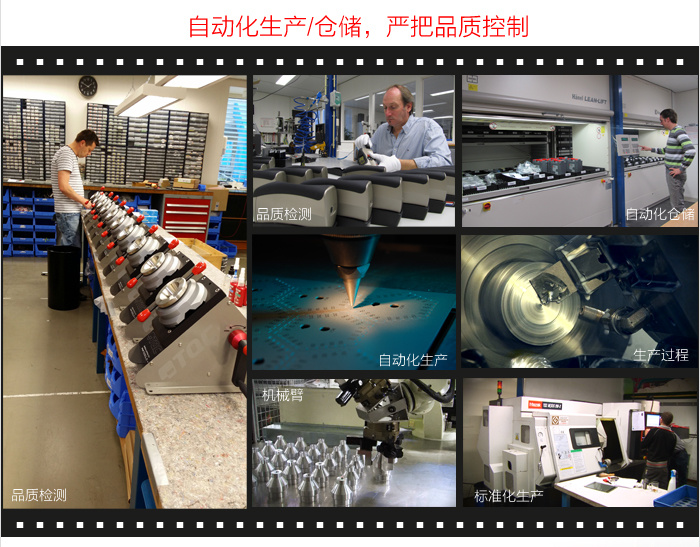
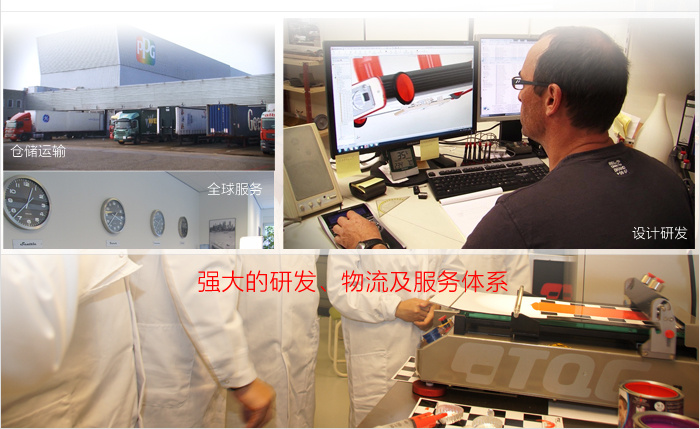
Take you into the Dutch TQC

- 1JJF 2163-2024《Calibration Specification for Paint Film Scribers》
- 2SJ 20910A-2018《General specification for powder spraying coating》
- 3GB/T 9286-2021《Paints and varnishes—Cross-cut test》
- 4GB/T 23997-2009《Solvent-thinned polyurethane wood coatings for indoor decorating and refurbishing》
- 5HG/T 20720-2020《Construction and acceptance specification of waterborne anti-corrosion coatings for steel structures in industrial buildings》
- 6HG/T 5776-2020《Water-based coatings for surface of rubber sealing products》
- 7HG/T 5187-2017《Automobile axle spring anticorrosive primer》
- 8HG/T 5183-2017《Water-based ultraviolet curing coatings for woodenware》
- 9HG/T 5299-2018《Optical polyethylene terephthalate(PET) transparent hardening film for indium tin oxide(ITO)》
- 10HG/T 3829-2006《Floor coatings》