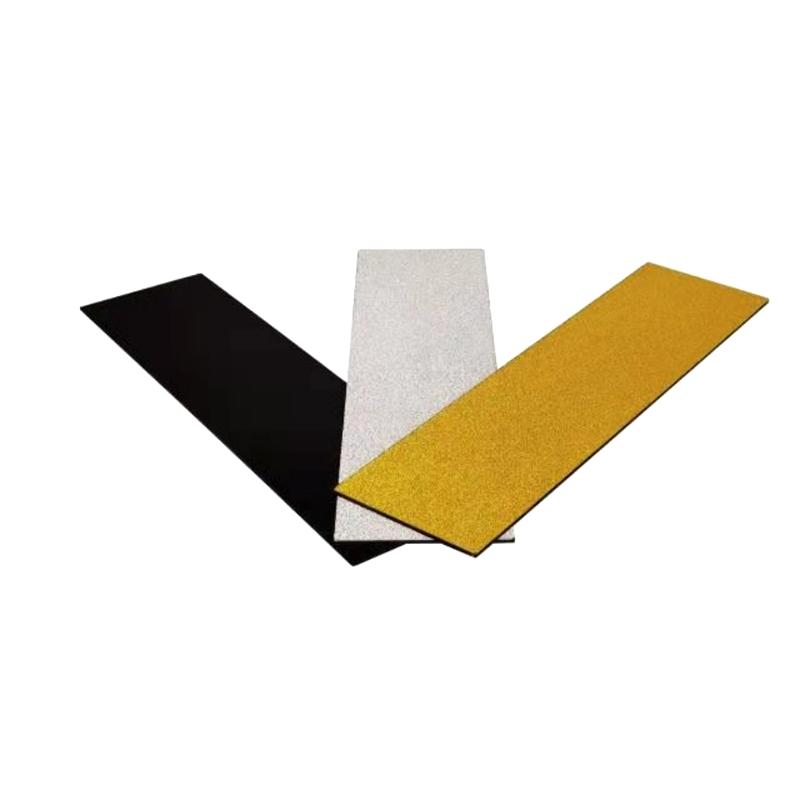
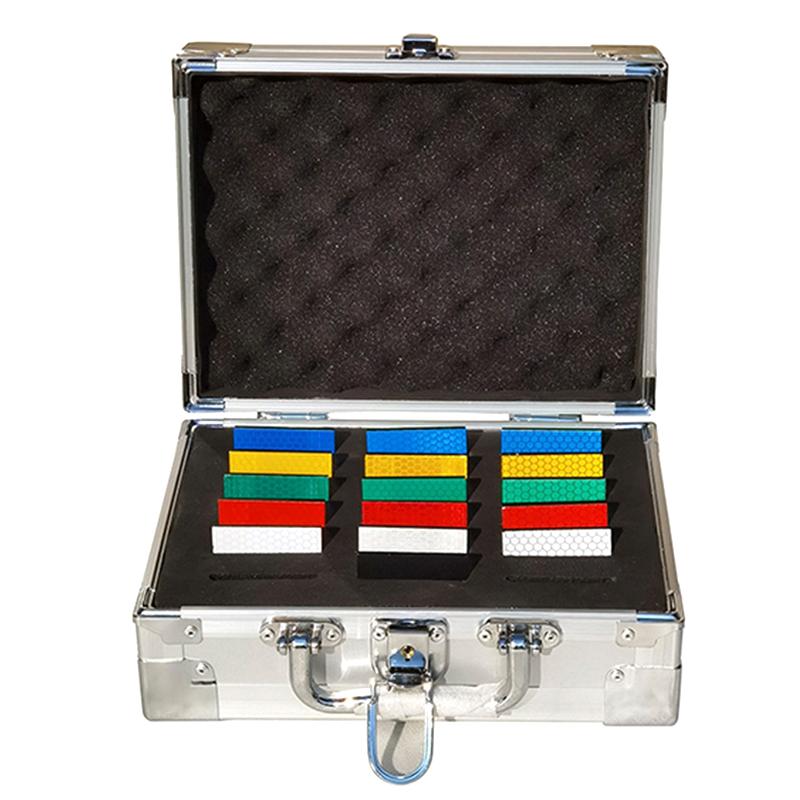
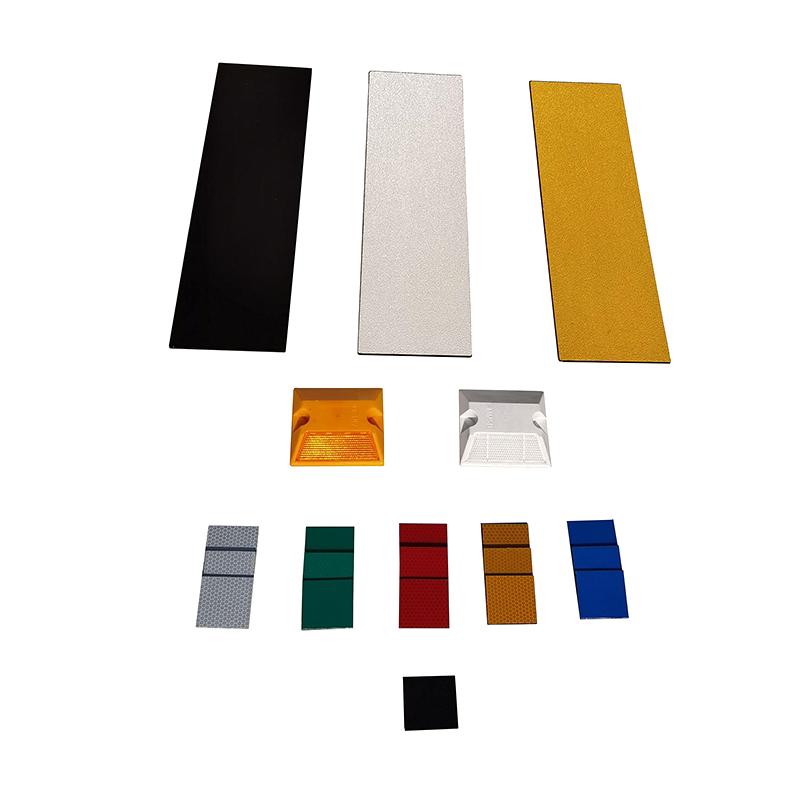

TIANDIXINGHUO XH-BZQ inverse reflection standard
SE XH-BZQ

TianDiXingHuo XH-BZQ Inverse reflection standardSPEC
TianDiXingHuo XH-BZQ Inverse reflection standardDetails
TianDiXingHuo XH-BZQ Inverse reflection standardPacking list

- SKU
- NB048053
1. Overview:
1 Retroreflectance standards are divided into reference standards and working standards according to their purpose and calibration method.
1.1 Reference standard: Used as a reference standard, a calibrated retroreflectance meter is specified in a given tissue or a given area.
1.2 Working standard: used as a working standard, suitable for the self-calibration of retroreflectance measuring instrument.
2 Retroreflective standards include retroreflective sign standards, retroreflective marking standards and protruding road sign standards, which are classified according to structure and magnitude respectively.
2.1 Retro Reflection Marker Standard: The Retro Reflection Marker Standard is made of reflective film and aluminum plate that meet the requirements of GB/T 18833, and is divided into three types: Type I, Type II and Type III, each type mainly includes five colors: white, yellow, red, green and blue. The effective reflective area of the retroreflective mark standard is generally not less than 50mm*50mm.
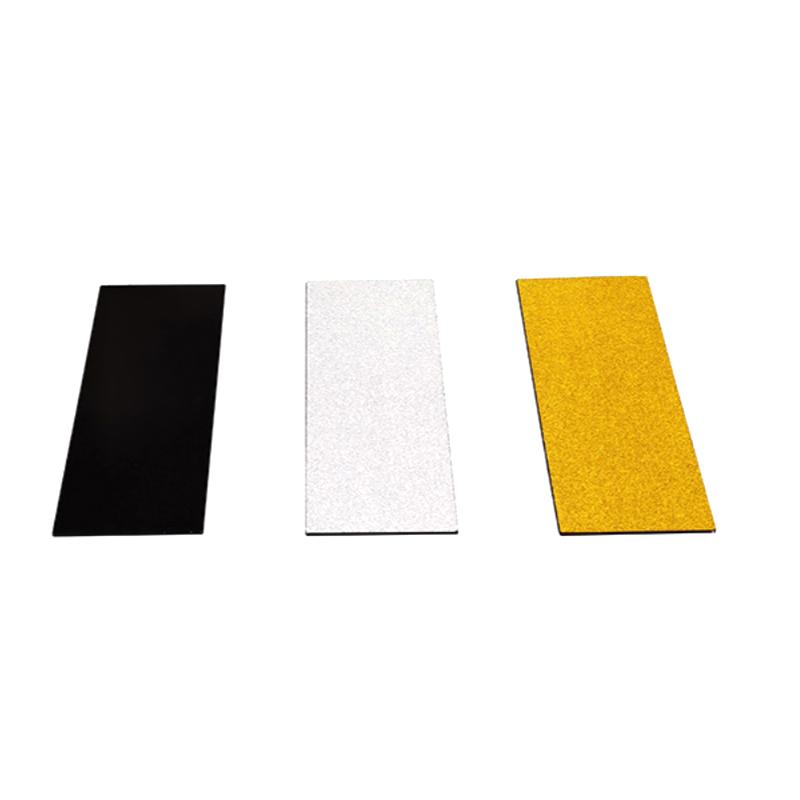
2.2 Retroreflective reticle standard: The retroreflective reticle standard is made of reticle tape and aluminum plate that meet the requirements of GB/T24717, mainly including white and yellow. The effective area of the retroreflection reticle standard is generally not less than 100mm*500mm.
2.3 Protrusion road sign standard: The protrusion road sign standard is composed of engineering plastic matrix and micro-prism type retroreflector, mainly including white and yellow two colors. The dimensions of the protrusion road sign standard should meet the requirements of the A2 protrusion road sign in GB/T24725.
Second, the measurement characteristics
1 Retroreflectance measurements
1.1 Retroreflective Marker Standard Retroreflective Coefficient
The amount of the reference standard and the working standard of the retroreflection mark, type 1, type 2 and type 3 should meet the photometric performance requirements of class V and class III I emitting films in GB/T18833 respectively, and the retroreflection coefficient should not be less than that specified in Table 1.