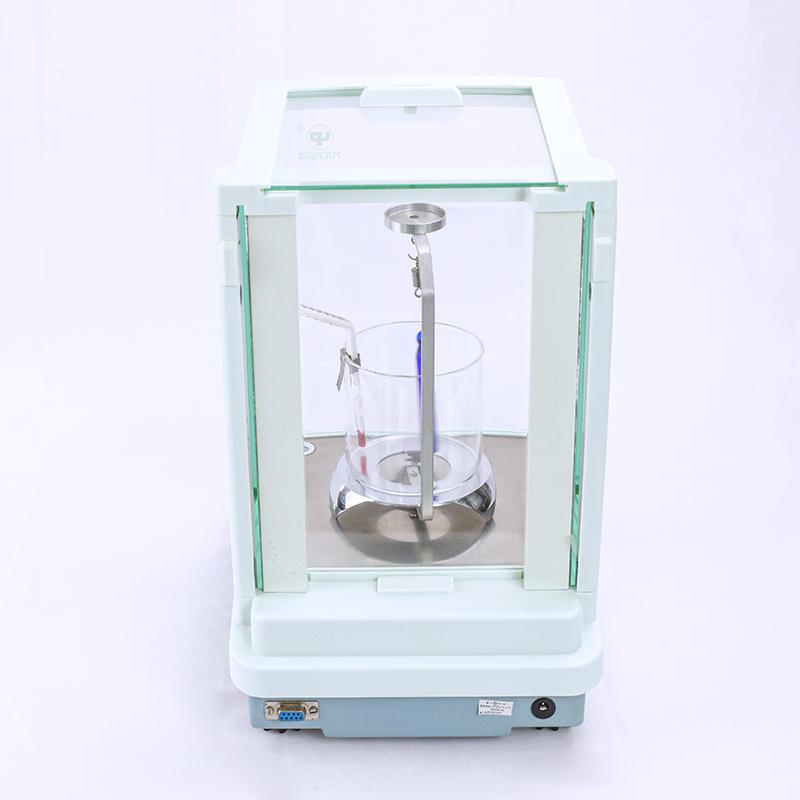
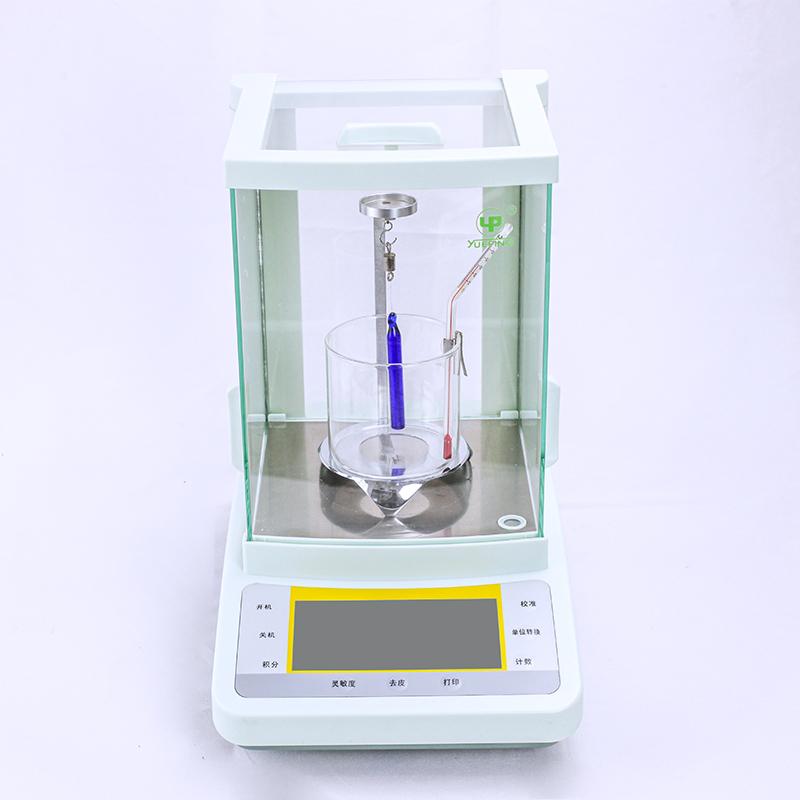
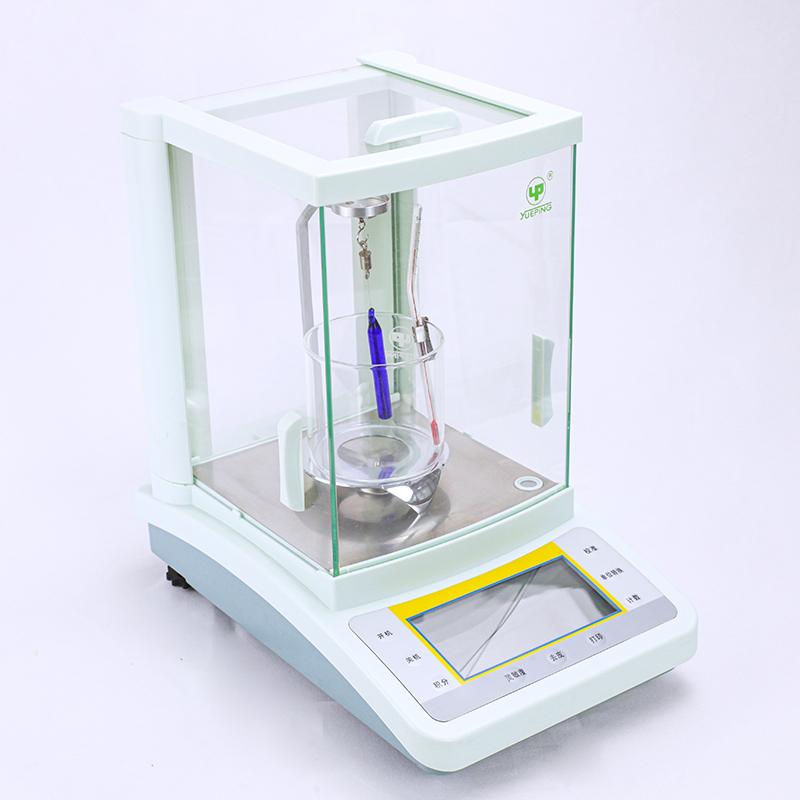
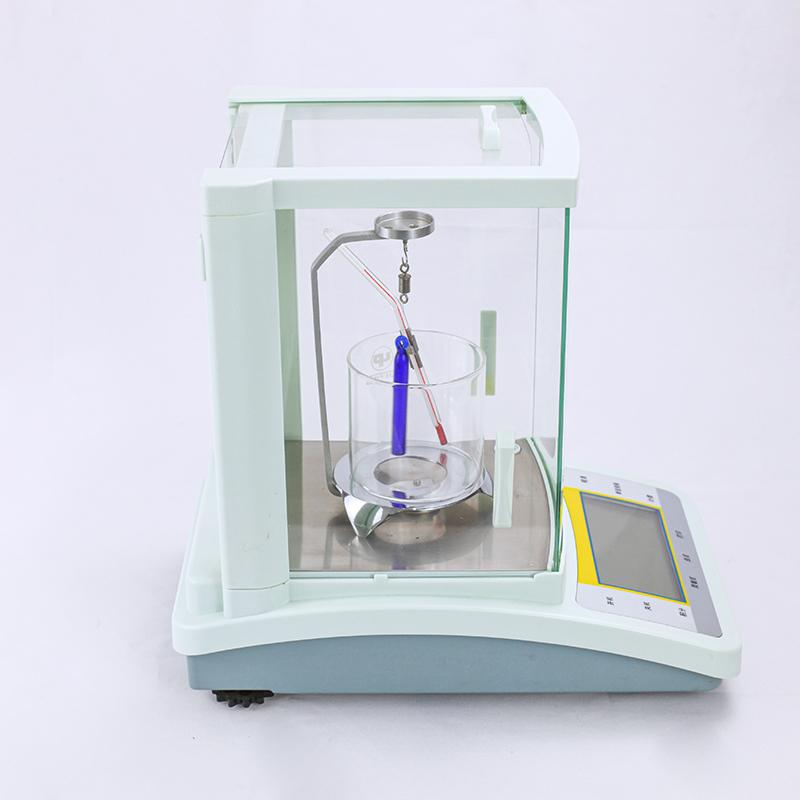

YUEPING FA1004J Electronic Balance Weighing range/g: 0~100 Repeatability Error /g: +/- 0.0002
SE FA1004J

-
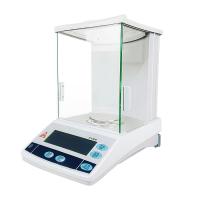 0.1Mg Precision Balance Tianma FA1004 100g Range$ 321.00SE
 -
 JINGQI FA1004N Electronic Balance 100g/0.1mg$ 413.00SE
 -
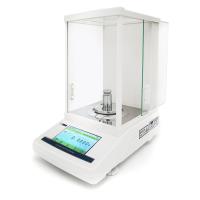 FA1004T Touch Screen Analysis Electronic Balance 100g/0.1mg Internal calibration$ 521.00SE
 -
 FA1004N Electronic Balance 100g/1mg$ 436.00SE
 -
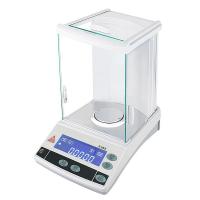 Electronic Balance Tianma FA1004B 100g/0.1mg Internal calibration$ 497.00SE





YuePing FA1004J Electronic BalanceSPEC
YuePing FA1004J Electronic BalanceDetails
YuePing FA1004J Electronic BalancePacking list
- SKU
- NB000481
- Weighing range
- 0~100g
- Repeatability Error
- ±0.0002g
- Adjustment
- Internal calibrated
- Pan Size
- Φ80mm
- Power
- 110V—220V、50Hz—60Hz、5.0V—3.0A、0.5A
- Net Weight
- 6800g
- Dimensions
- 350*215*340mm
- Actual Graduation d
- 0.1mg
- Tare Range
- 0~100g
- Linearity
- ±0.0005g
- Stabilization time
- ≤6s
- integration time
- 2/4/8S adjustable
- Power
- 15V.A
- Test Weight
- 100g
- Warm-up time
- 180min

product description
The liquid/solid specific gravity balance is a new product developed on the basis of the FA/JA series Electronic Analytical Balance. It is also an intelligent balance composed of a high-stability electromagnetic balance sensor and a single-chip microcomputer. It retains all the functions of an analytical balance in addition to the function of measuring the specific gravity of liquids/solids. Yueping electronic specific gravity balance is accurate, fast and stable, easy to operate, and has complete functions. It is suitable for rapid determination of the quality and quantity of objects in industry, agriculture, commerce, schools, scientific research and other units.
Product parameters
| model: | FA1004J |
| Weighing range/g: | 0~100 |
| Actual scale division value/mg: | 0.1 |
| Tare range/g: | 0~100 |
| Repeatability Error (standard deviation)/g: | ±0.0002 |
| Linearity error/g: | ±0.0005 |
| Stabilization time/s: | ≤6 |
| Integration time (adjustable)/s: | 2/4/8 |
| Pan diameter/mm: | Φ80 |
| Dimensions/mm: | 350×215×340 |
| Net weight/kg: | 6.8 |
| power supply: | 110V—220V, 50Hz—60Hz, 5.0V—3.0A, 0.5A |
| Power/VA: | 15 |
| Self-calibration weight value/g: | 100 |
| Very good warm-up time/min: | 180 |
Analytical Balance Calibration
In order to obtain accurate weighing results, calibration is required to accommodate the local acceleration of gravity.
When calibration is required:
• Before using the balance for the first time
• Weighing work is carried out regularly
• After changing placement
Method for Calibration of Electron Density Analytical Balance
1. Prepare calibration weights for calibration.
2. Make the weighing pan empty, press the "calibration" key until the word "CAL-200" appears on the display screen, and then release the key. When the word "CAL-200" flashes on the display screen, put the calibration weight code (try to put it in the center of the weighing pan), and the balance is calibrated. When the display shows "200.0000", remove the weight on the weighing pan. When "0.0000g" appears on the display screen, the calibration of the balance is over, and the balance automatically returns to the weighing working state.


Electronic density analysis balance operation: weighing, taring, adding, reading deviation
Weigh the
above modes after the user selects them (this balance has a memory function, all selected modes can be used for weighing after the power is turned off and will not be lost), press the <tare> key, after the display is zero, set The object to be weighed is on the weighing pan, and when the balance is stable, that is, after the "0" sign on the left of the display screen goes out, the displayed value is the mass value of the object to be weighed.
Tare and
reset the container on the weighing pan, the balance will display the weight of the container, press the <Tare> key, it will display zero, that is, tare weight. Place the object to be weighed in the container again, and the net weight of the object to be weighed will be displayed at this time.
Accumulative weighing
uses tare weighing method, put the objects to be weighed on the weighing pan one by one, and then remove all objects to be weighed one by one, and finally remove all the objects to be weighed. At this time, the absolute value of the displayed number is total mass value.
Put the added object
in the "integral" mode, place the container on the weighing pan, and go to tare. Add the weighing object (liquid or loose object) into the container step by step, and get continuous reading value quickly. When the added object reaches the required weighing value and the "0" sign on the far left of the display goes out, the value displayed at this time is the weighing value required by the user. When adding mixtures, the net mass of each substance may be determined by the tare method.
To read the deviation
, put the standard weight (or sample) on the weighing pan, remove the tare weight, then remove the standard weight, display its negative value, and then place the weighing object on the weighing pan, assuming that the weighing object is heavier than the standard weight or Light, positive or negative deviation values are displayed accordingly.
Lower the scale
and unscrew the screws on the lower cover at the bottom to expose the hooks. Place the balance on the workbench with the hole, adjust the level, and calibrate the balance, and then you can use the hook to hang objects and weigh.
The same series of electronic density analysis balance models
| model | FA1004J | FA1104J | FA1604J | FA2004J | FA2104J |
| accuracy level |  |  |  |  |  |
| Weighing range/g | 0~100 | 0~110 | 0~160 | 0~200 | 0~210 |
| Actual scale division value/mg | 0.1 | 0.1 | 0.1 | 0.1 | 0.1 |
| Tare Range/g | 0~100 | 0~200 | 0~210 | 0~200 | 0~210 |
| Repeatability Error (standard deviation)/g | ±0.0002 | ±0.0002 | ±0.0002 | ±0.0002 | ±0.0002 |
| Linear error/g | ±0.0005 | ±0.0005 | ±0.0005 | ±0.0005 | ±0.0005 |
| Stabilization time/s | ≤6 | ≤6 | ≤8 | ≤8 | ≤8 |
| Integration time (adjustable)/s | 2/4/8 | 2/4/8 | 2.5/5/10 | 2.5/5/10 | 2.5/5/10 |
| Pan diameter/mm | Φ80 | ||||
| Dimensions/mm | 350×215×340 | ||||
| Net weight/kg | 6.8 | ||||
| power supply | 110V—220V, 50Hz—60Hz, 5.0V—3.0A, 0.5A | ||||
| Power/VA | 15 | ||||
| Self-calibration weight value/g | 100 | 100 | 160 | 200 | 200 |
| Very good boot warm-up time/min | 180 | 180 | 180 | 180 | 180 |
- 1GB/T 44343-2024《Soil quality—Determination of 22 elements—Digest with acids and analyse with inductively coupled plasma mass spectrometry》
- 2JJF 1847-2020《Calibration Specification for Electronic Balances》
- 3JJF 1940-2021《Calibration Specification for Electromagnetic Balances》
- 4JJF 1036-2022《Electronic Balance》
- 5GB/T 26497-2022《Electronic Balances》
- 6GB/T 33374-2016《Ultraviolet curable coatings—Determination of volatile content》
- 7SN/T 4118-2015《Determination of short-chain chlorinated paraffins in paints and coatings》
- 8HG/T 5375-2018《Determination of acrylamide content in aqueous adhesive》
- 9HG/T 5164-2017《Textile dyeing and finishing auxiliaries - Water-borne polyurethane emulsions for textile coating》
- 10GB/T 5211.3-1985《Determination of volatile matter of pigments at 105℃》