
HuiNuo QGS film drying time Tester GB/T 1728 standard
 QGS
QGS

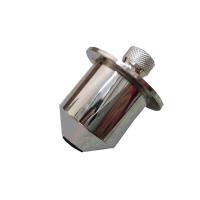
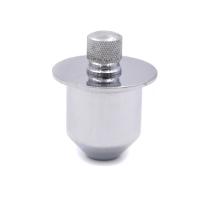
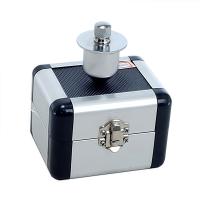
HuiNuo QGS Film drying time TesterSPEC
HuiNuo QGS Film drying time TesterDetails
HuiNuo QGS Film drying time TesterPacking list

- SKU
- NB048520
- execution standard
- GB/T 1728-89
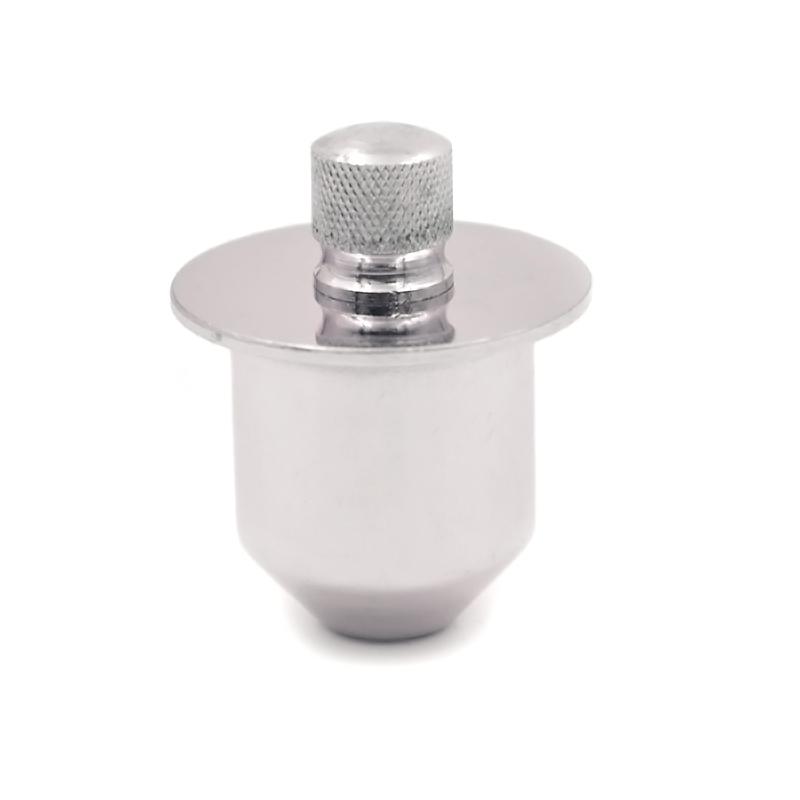
- Nominal Mass
- 200±0.2g
- Weight base area
- 1cm²
The physicochemical process by which a paint sample applied to an appropriate surface changes from a fluid layer to a paint film, which is called drying.
The drying process is divided into two main stages:
(1) When a thin paint film is formed on the surface of the coated sample, it is called surface drying.
(2) When the full thickness of the painted paint forms a paint film, it is called actual drying.
1. Equipment and utensils
(1) The drying time Tester includes:
One weight, weighing 200±0.2 grams, with a base area of 1 square centimeter.
(2) Stopwatch, tweezers, absorbent cotton
(3) glass plate (9*12 cm), or white steel sheet (9*12 cm) with tin and iron slag removed,
or lead plate (5*14 cm)
(4) Room temperature Drying Oven
(5) Stopwatch. 2, 3, 4, 5 are your own
2. Operation and use steps
(1) Preparation before the experiment
Adjust the weight of the weight to meet the requirements:
Make absorbent cotton into 1 cubic centimeter loose cotton ball.
Prepare the sample according to the technical conditions specified in the product standard and do the surface drying measurement, and then place the sample in the Drying Oven (according to the operating specifications) for drying.
(2) According to the actual drying time specified in the product standard, take out and test the degree of dryness at certain intervals according to the drying situation.
During the test, put some cotton balls on the surface of the paint film, gently put the paint test weight on the cotton ball, and start the stopwatch at the same time, after 30 minutes and seconds, remove the weight and the cotton ball, if there are no traces of cotton balls left on the paint film, the actual degree of dryness has been achieved.