
HuiNuo QBJ coating Cupping Tester
 QBJ
QBJ

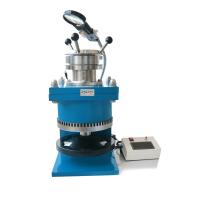
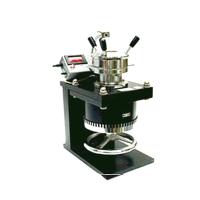

HuiNuo QBJ Cupping TesterSPEC
HuiNuo QBJ Cupping TesterDetails
HuiNuo QBJ Cupping TesterPacking list

- SKU
- NB048556
- Striker Diameter
- Φ20mm
- Sinking Accuracy
- ±0.05mm
- Maximum depth of indentation
- 10mm
- Maximum crushing force
- 1000N
- Digital resolution
- 0.01mm
- Test board size
- 70*70mm
- plate thickness
- δ =0.30-1.25mm
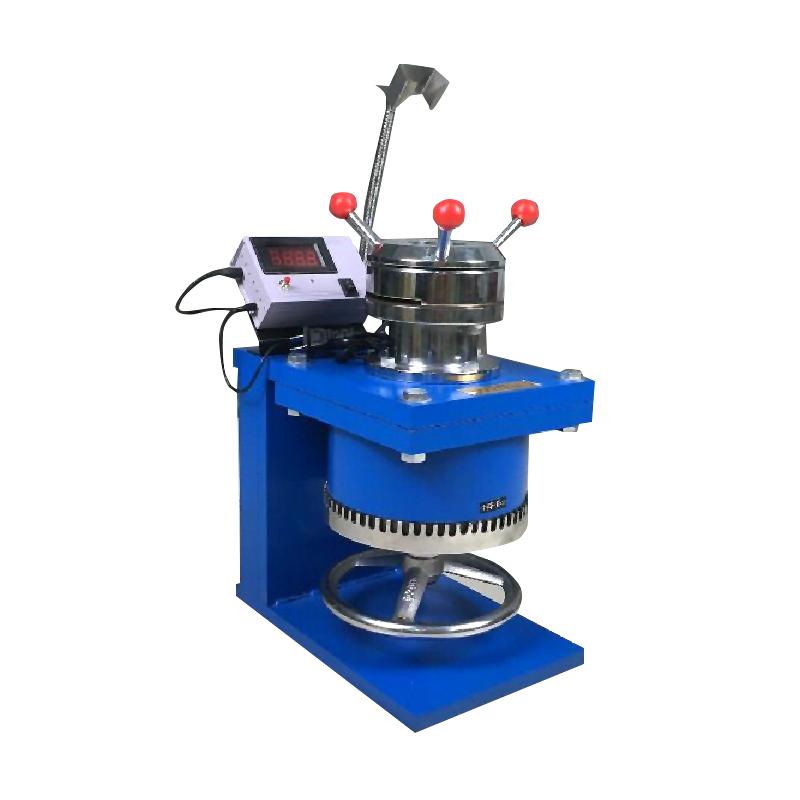
Scope of application
According to the international standard ISO1520 and the national standard GB9753-88 design and manufacture of QBJ coating cupping Tester, suitable for evaluating the coating of pigment varnish and related products (single layer or supporting system coating) under the experimental method specified in the standard, the indentation test, after the gradual deformation, the coating anti-cracking or anti-separation from the metal substrate performance, evaluation of the coating pass or not. The depth of indentation can also be gradually increased to determine the minimum depth at which the coating has just cracked or begun to detach from the substrate.
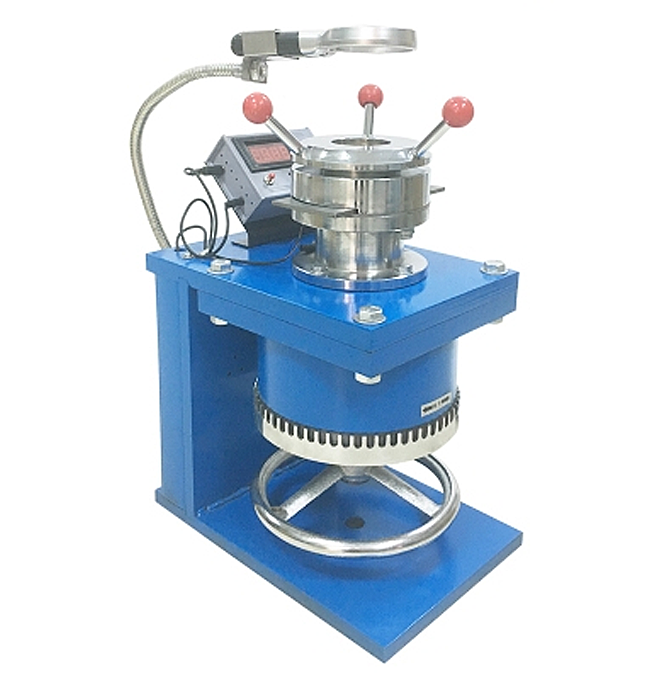
Test procedures and operation methods
1. Preparation of test pieces
(1) The test piece is square, and its size is 70mm*70mm*0.3mm~1.25mm
(2) The material of the test piece should be polished steel plate, and meet the requirements of GB9271, and the test piece should be smooth and not deformed.
(3) The test piece is prepared with a coating according to the standard requirements, dried, and its thickness is measured. In the environment of 23±2°C and 50±5% Relative Humidity, the state adjustment should be carried out for at least 16 hours before it can be put into operation.
2. How to operate
(1) Test of single-sided coated plate: - automatic zeroing
Turn the handwheel of the testing machine to the end in the direction of descent (clockwise), loosen the compression device of the upper test piece of the testing machine, insert the metal side of the single-sided coated test plate face down and the coating side up into the gap of the upper part of the testing machine, and align the punch to the central axis of the test piece, and tighten the pressing device. Press the red zero button on the gauge once, and the display will show zero. Turn the handwheel in the upward direction (counterclockwise) at a speed of 0.2±0.1mm/s (i.e. one revolution in 2~3 seconds). When the reading reaches about 0.40mm, the punch touches the metal surface of the test board, and the display automatically displays the zero point, and the instrument lights up in red at this time. Then continue to rotate the handwheel, the display reading is the rising height, that is, the depth of depression, which is irreversible in progress, otherwise the reading is inaccurate.
(2) The test ,—— of double-sided coated plate is manually zeroed
Screw the handwheel of the testing machine to the end in the direction of descent (clockwise), loosen the compression device of the upper specimen of the testing machine, insert the random zeroing steel plate into the gap of the upper part of the testing machine, and tighten the pressing device. Press the gauge red button once to make the display display zero. Turn the handwheel in the ascending direction (counterclockwise) and slow down when the reading is close to 1.80mm. When the instrument is red light, that is, when the display is zero, stop turning the handwheel. Release the hold-down device, and then manually clear (press the red button of the meter), turn the handwheel in the rising direction at a speed of 0.2±0.1mm/s, and the display reads the rising height, that is, the depth of indentation.
(3) Use the corrected visual acuity or a 10x magnifying glass to check whether the coating on the test piece is cracked or separated from the substrate.
(4) The above procedure should be carried out on two separate test pieces, and if the results are different, the test should be supplemented until the results of the two test pieces are consistent. If there is a crack in the substrate, the test result is invalid.