
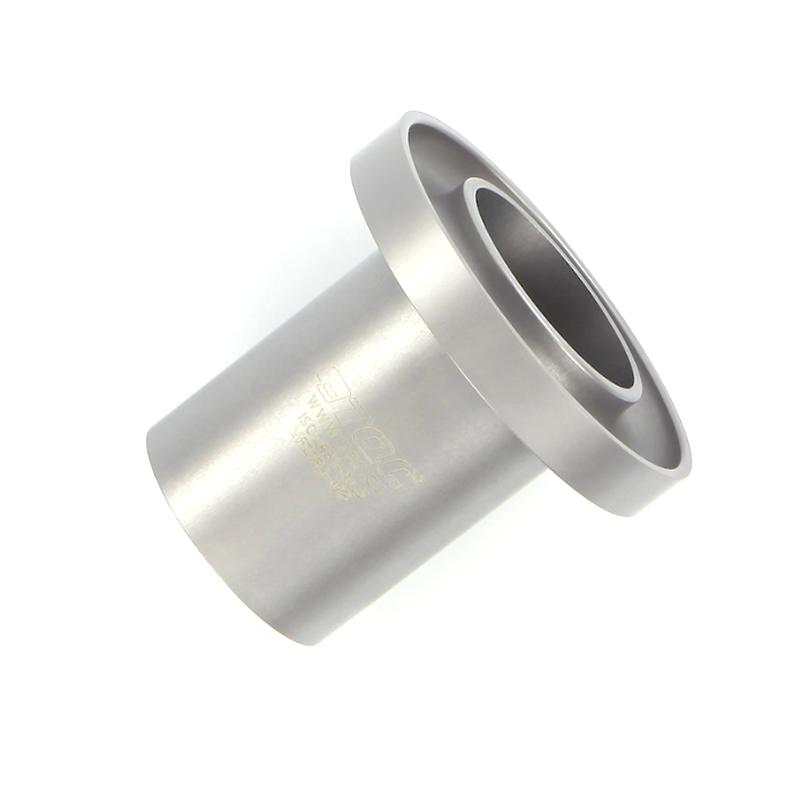
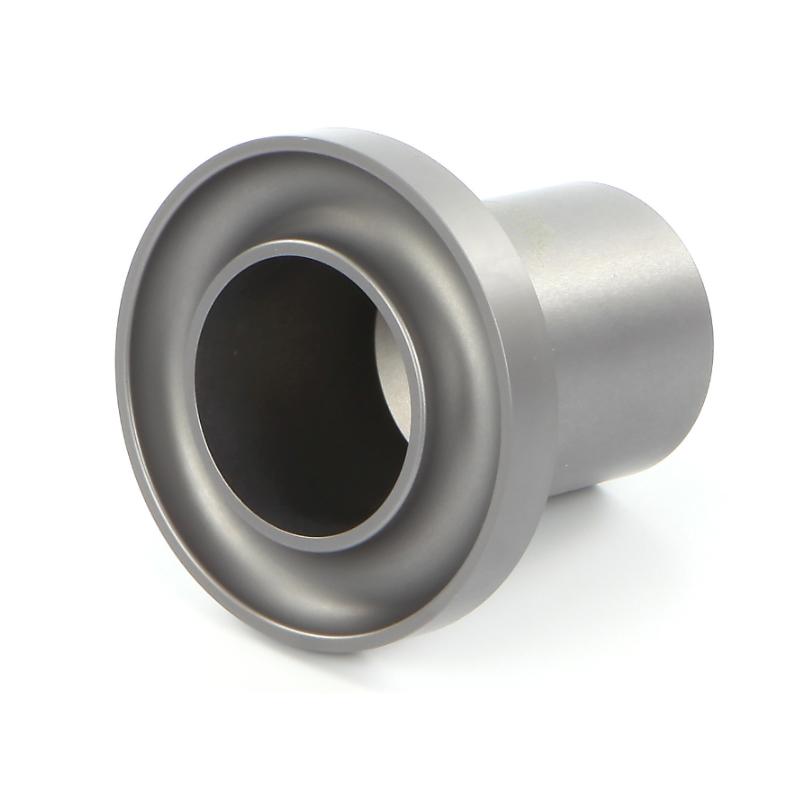


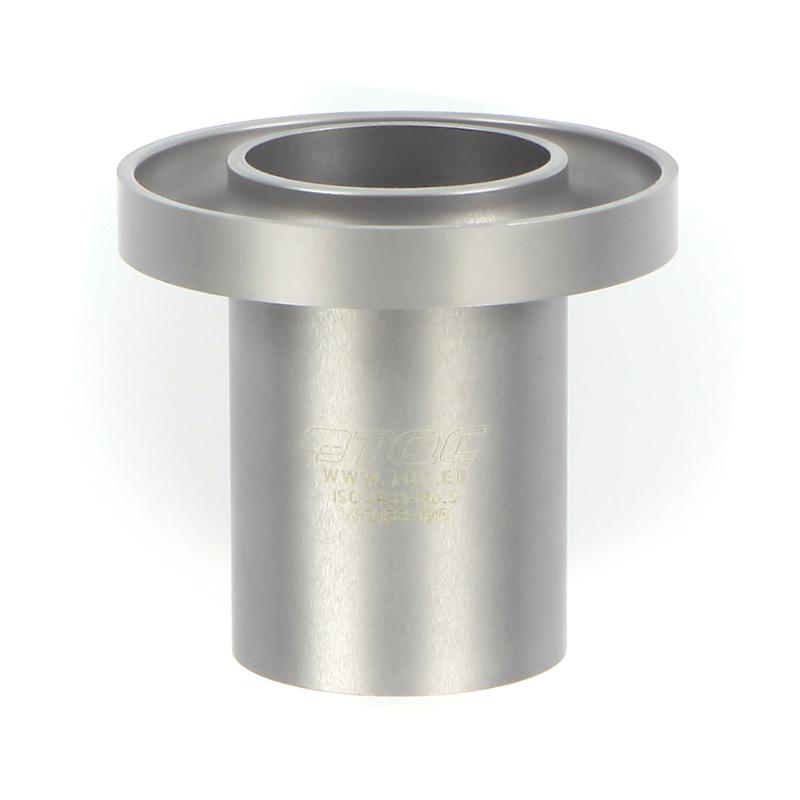
TQC VF2048 desktop No. 3 Viscosity Cup 3mm ISO2431
SE VF2048



TQC sheen VF2048 Desktop Viscosity CupSPEC
TQC sheen VF2048 Desktop Viscosity CupDetails
TQC sheen VF2048 Desktop Viscosity CupPacking list

- SKU
- NB000510
- Viscosity range
- 7~42cSt
- flow hole diameter
- 3mm
- Cup body material
- Titanium anodic oxidation aluminum
- Filter material
- stainless steel
- Applicable standards
- ISO 2431
- Certificate
- without
- Weight
- 337g
Introduction to TQC desktop Viscosity Cup
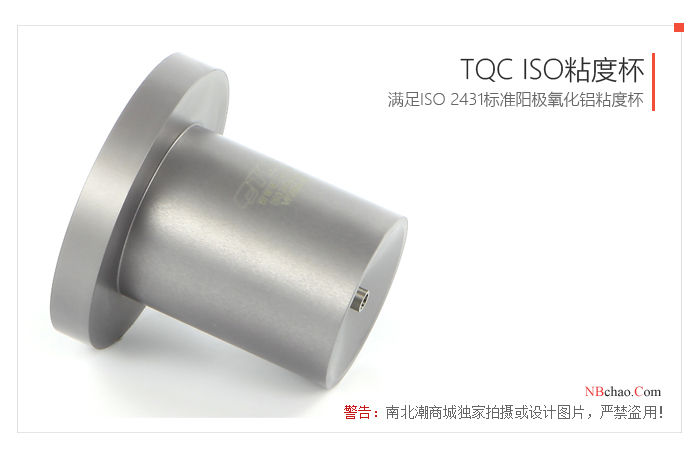
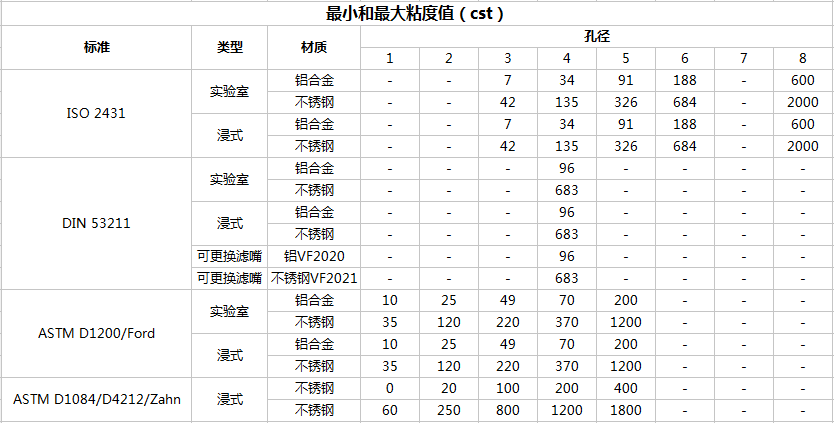
TQC desktop Viscosity Cups are available in five models: VF2048, VF2049, VF2050, VF2051, and VF2183. They are all made of titanium anodized aluminum and comply with the relevant provisions of the ISO2431 international standard. They are available in five types: 3mm, 4mm, 5mm, 6mm, and 8mm. The diameter of the filter is different, and the viscosity range applicable to the test is different. It can realize the viscosity value test in the viscosity range of 7~2000cst. The filter part of the TQC desktop Viscosity Cup has a small protruding part.
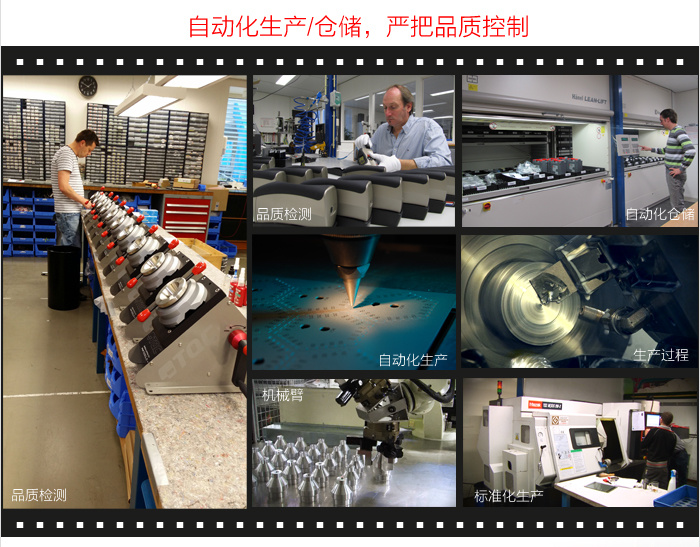
The TQC Benchtop Aluminum Viscosity Cup was originally designed for rapid viscosity and consistency evaluation of products with Newtonian or near-Newtonian properties, providing a high degree of accuracy and repeatability depending on production quality. TQC benchtop Viscosity Cups provide outstanding testing quality. These Viscosity Cups are produced from selected high-grade materials, using the latest computerized machining technology, and are produced under strict quality management conditions. Smooth, bright surface decoration makes the product easy to use and clean, ensuring a long working life.
Specifications
| cup number | model | filter diameter | Viscosity range |
| number 3 | VF2048 | Ï3mm | 7~42cSt |
| No 4 | VF2049 | Ï4mm | 34~135cSt |
| Number 5 | VF2183 | Ï5mm | 91~326cSt |
| number 6 | VF2050 | Ï6mm | 188~684cSt |
| number 8 | VF2051 | Ï8mm | 600~2000cSt |
| Other parameters | |||
| Material | titanium anodized aluminum | ||
| standard | ISO 2431 | ||
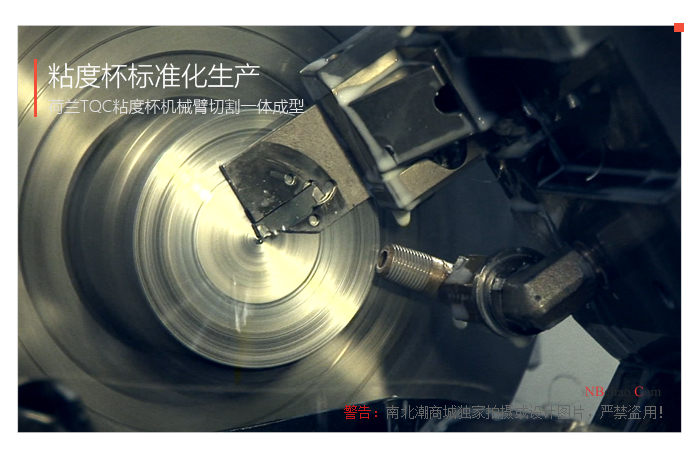
Actual pictures
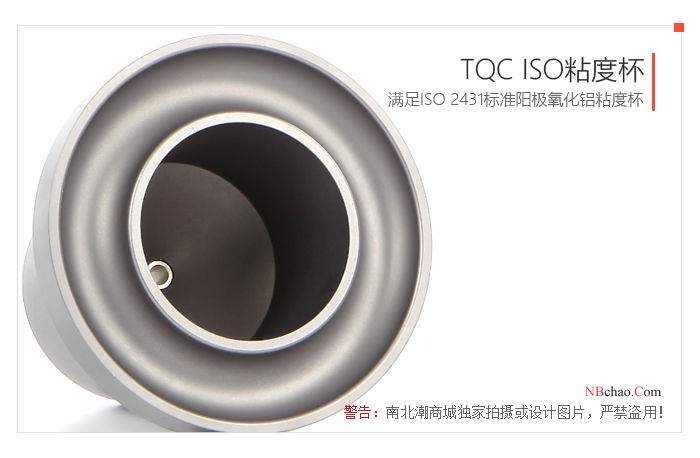
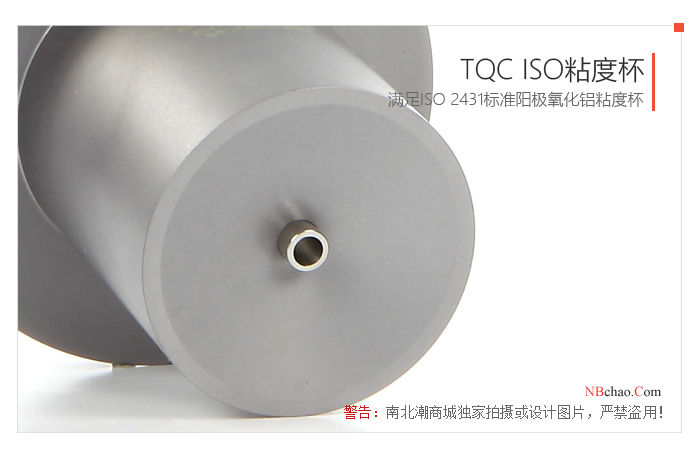
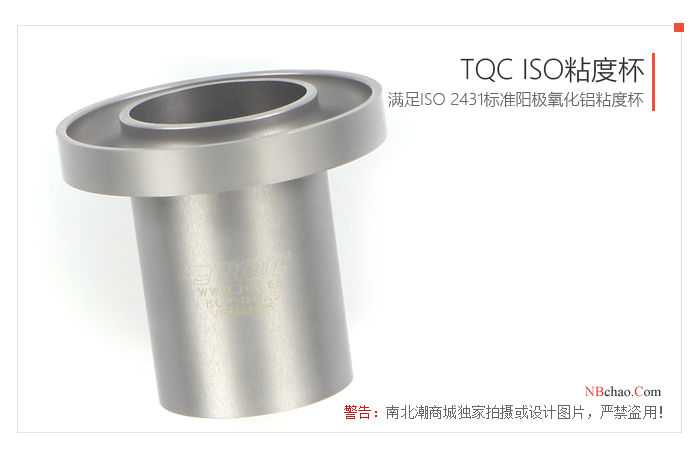
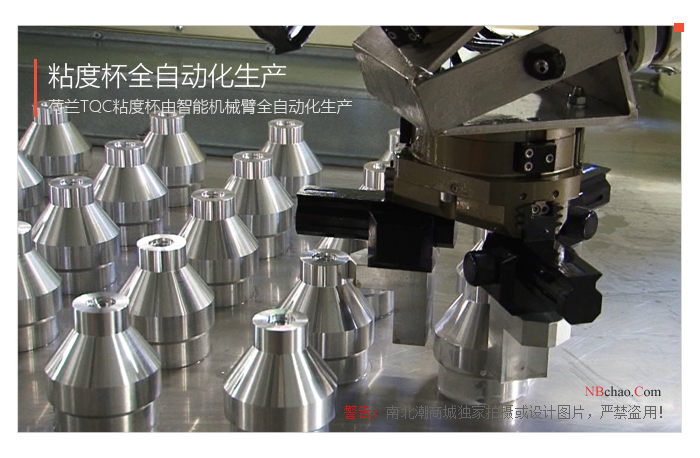
cst unit
The unit of kinematic viscosity is Stokes, which is Stokes, or Stoke for short. When the dynamic viscosity of a fluid is 1 poise and the density is 1g/cm3, the kinematic viscosity is 1 stokes. cSt is the abbreviation of Centistokes, which means centistokes, which is one hundredth of 1 stoke. Centistokes (cst) is the smallest unit of kinematic viscosity.
Maintenance precautions
The Viscosity Cup has a short channel length (i.e. cup wall material), so any change in the channel will have a significant impact on the outflow time. Therefore, you need to use appropriate fine brushes and solvents to clean the Viscosity Cup. Do not use other cleaning methods or cleaning tools that may cause scratches.
In order to ensure accurate measurement results, it is recommended to purchase at least 1 standard Viscosity Cup with a calibration certificate. By comparing the results of measuring the product standard product sample with the benchtop Viscosity Cup and the standard Viscosity Cup, a correction chart can be drawn, so that the outflow time can be corrected through the chart to obtain correct test results.
Instructions
ã1) Select the appropriate benchtop Viscosity Cup (please check the outflow time)
ã2) Ensure that the Viscosity Cup and test fluid are at the required experimental temperature.
3) Make sure there are no bubbles and debris in the fluid.
ã4) Seal the outflow hole (you can use your hands), fill up the fluid, scrape the excess test solution into the edge groove of the Dutch TQC desktop Viscosity Cup, and place the receiving cup.
ã5) Release your hand from the outflow hole and start timing, ending when the first breakpoint appears in the fluid.
hour. The calculated time is the viscosity time corresponding to the test fluid (representing its conditional viscosity, in seconds).
ã6) Fixed flow test method: The procedure is similar to item 5, but the stop time should be when 50ml of fluid flows out.
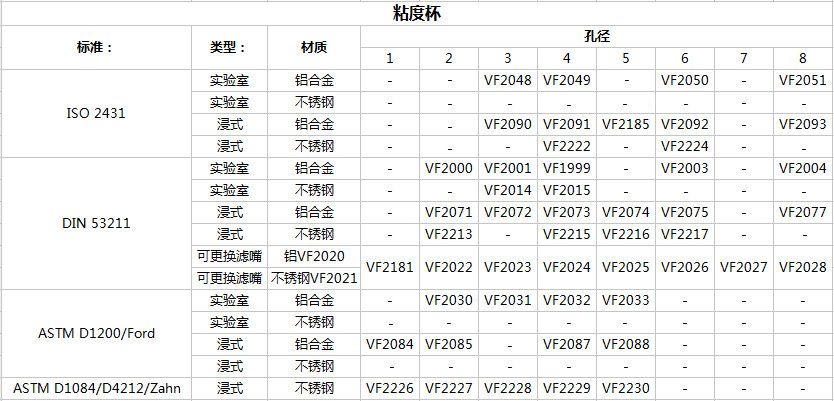
TQC model selection table
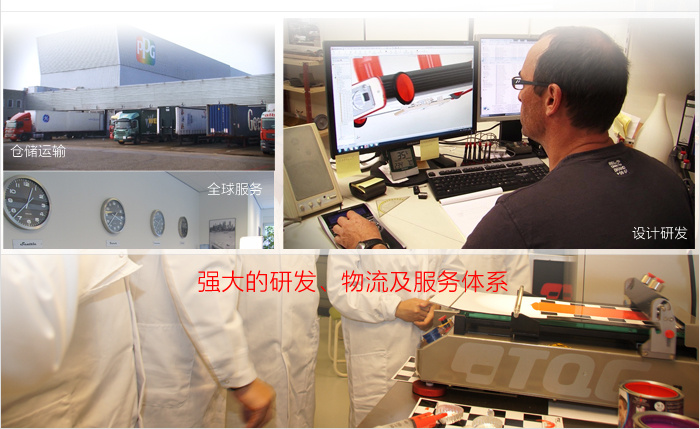
Take you into the Dutch TQC

- 1GB/T 33374-2016《Ultraviolet curable coatings—Determination of volatile content》
- 2GB/T 1727-2021《General methods for preparation of coating films》
- 3ASTM D5125-2020《Standard Test Method for Viscosity of Paints and Related Materials by ISO Flow Cups》
- 4ISO 2431-2016《Paints and varnishes — Determination of flow time by use of Flow Cups》
- 5JJG 743-2018《Flow Cup Viscometers》
- 6ASTM D5125-2020《Viscosity Determination of Coatings and Related Materials by ISO Flow Cup》
- 7ISO 2431-2019《Paints and varnishes flow time with Flow Cup》
- 8GB/T 22235-2008《Determination of liquid viscosity》
- 9GB 1727-1992《Paint film general preparatory method》
- 10GB/T 6753.4-1998《Paints and varnishes outflow time measured with Flow Cup》