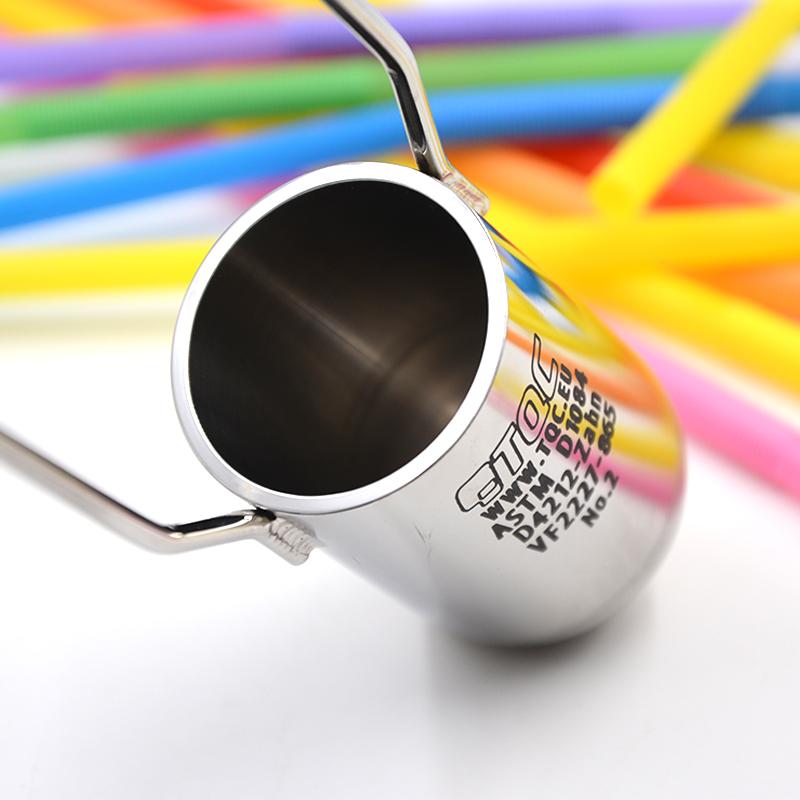
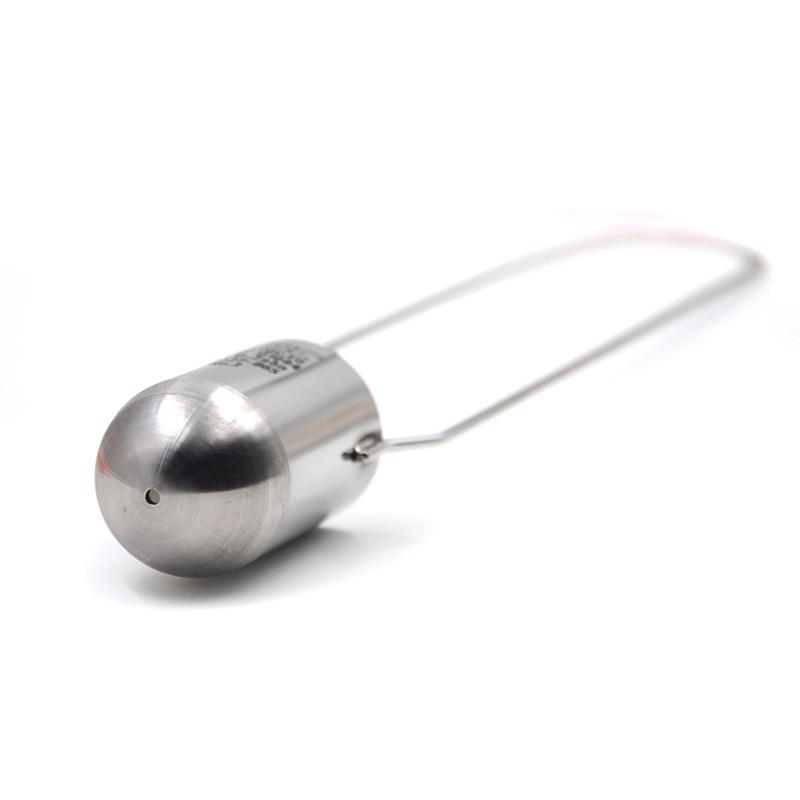
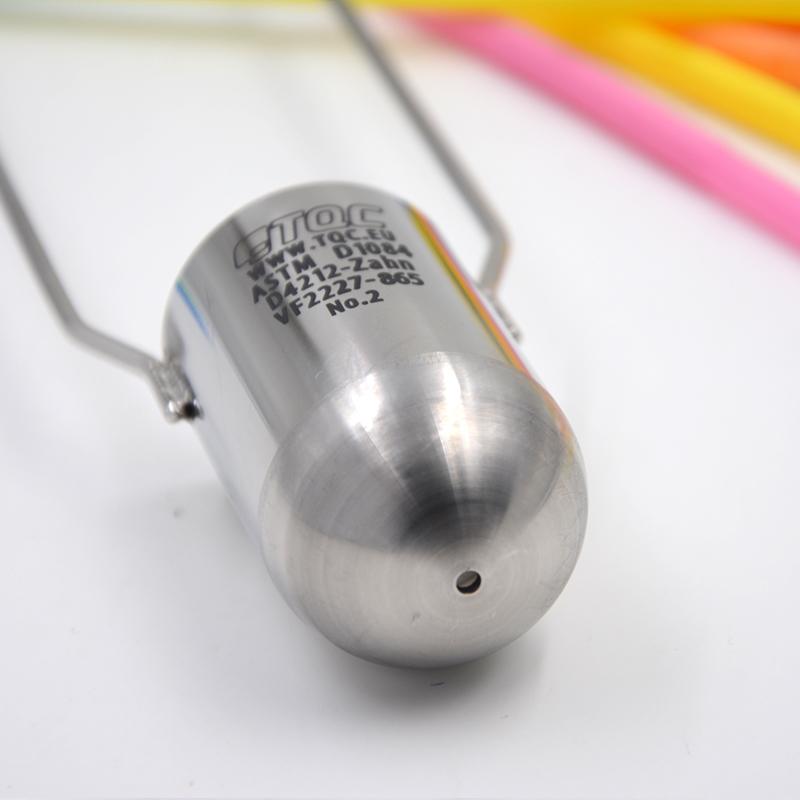
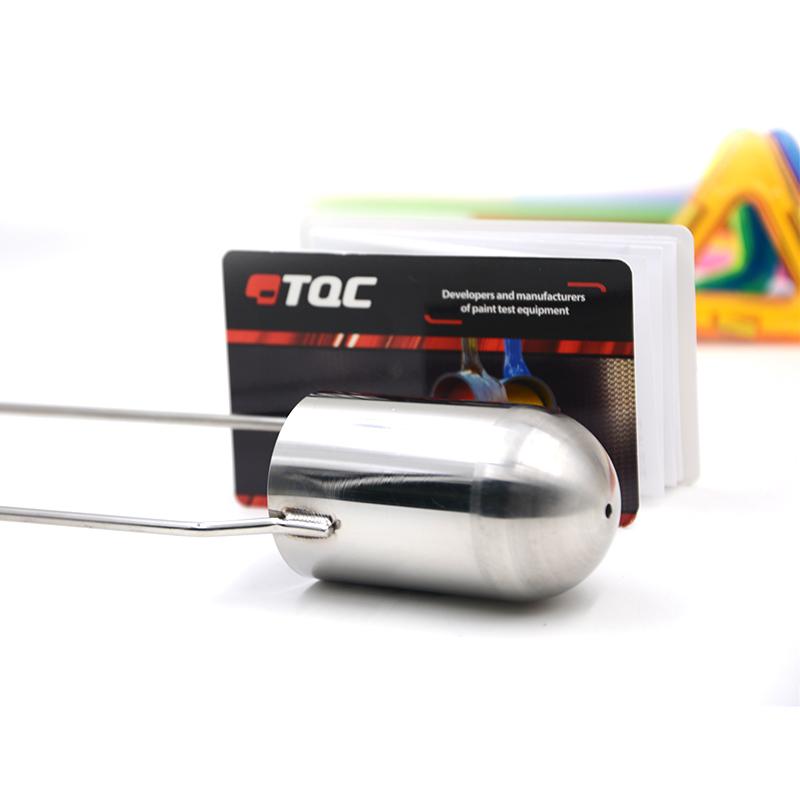

TQC VF2226 Zahn Cup No. 1 Zahn Cup/2.0mm
SE VF2226

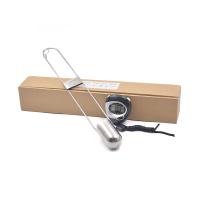
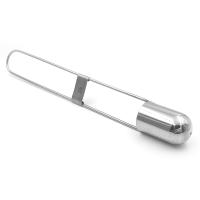
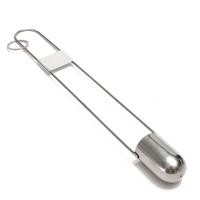
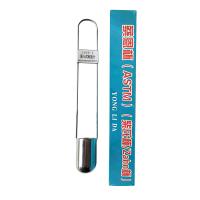
TQC sheen VF2226 Zahn CupSPEC
TQC sheen VF2226 Zahn CupDetails
TQC sheen VF2226 Zahn CupPacking list

- SKU
- NB000524
- Viscosity range
- Max 60cSt
- outflow time
- 35~80s
- flow hole diameter
- 2mm
- Capacity
- 44ml
- Cup height
- 62.5mm
- Cup width
- 36mm
- Maximum width
- 50mm
- Total height
- 330mm
- Cup body material
- stainless steel
- Filter material
- stainless steel
- Handle material
- stainless steel
- Certificate
- without

The Dutch TQC Zion cup has five models: VF2226, VF2227, VF2228, VF2229, and VF2230. The corresponding filter diameters are 2mm, 2.7mm, 3.8mm, 4.3mm, and 5.3mm, corresponding to different viscosity ranges and flow times. The TQC Cai En Cup is made of stainless steel and can test the viscosity values ââof medium, high-low viscosity liquids. It is designed in accordance with international standards, so the structural appearance, specifications and parameters are all in line with the Cai En Cup. of relevant application standards.
ZAHN cup principle
The ZAHN cup was originally designed for rapid viscosity and consistency evaluation of products that conform to Newtonian mechanics or are close to Newtonian mechanical properties (such as paints, inks, pigments, and coatings). Depending on the production quality, it can provide a high degree of accuracy. and repeatability. According to their early forms, although somewhat simple in design, today's Viscosity Cups are produced according to a number of international standards that have been developed over the years and specify not only the precise dimensional tolerances required in the process, but also their use and records of data obtained.
Specifications
| model | filter diameter | Viscosity range | flow time |
| VF2226 | 2 mm | Max 60cst | 35-80s |
| VF2227 | 2.7mm _ | 20-250cst _ | 20-80s |
| VF2228 | 3.8 mm | 100-800cst _ | 20-80s |
| VF2229 | 4.3mm _ | 200-1200cst _ | 20-80s |
| VF2230 | 5.3 mm | 400-1800cst _ | 20-80s |
| Other parameters | |||
| Material | Stainless steel | ||
| type | Handheld, immersed | ||
cst unit
The unit of kinematic viscosity is Stokes, which is Stokes, or Stoke for short. When the dynamic viscosity of a fluid is 1 poise and the density is 1g/cm3, the kinematic viscosity is 1 stokes. cSt is the abbreviation of Centistokes, which means centistokes, which is one hundredth of 1 stoke. Centistokes (cst) is the smallest unit of kinematic viscosity.
Instructions
1. According to the standard, the temperature of the liquid to be tested is 25 degrees Celsius, and the temperature fluctuation needs to be minimal during the test and cannot exceed +/-0.2 degrees Celsius. Adjust the temperature of the liquid to be measured if necessary.
2. According to the specification table and the expected viscosity range of the liquid to be measured, select a Zion cup with an appropriate hole diameter . Immerse the TQC VF2226/ VF 2227/ VF 2228/ VF 2229/ VF 2230 Zion cup into the liquid to be tested. The cup body must be completely immersed in the liquid.
3. Use a thermometer to measure the temperature of the liquid in the Zion cup and record it.
4. Remove the thermometer.
5. Use your index finger to lift the ring on the handle to make the Viscosity Cup vertical. Lift the Zion cup quickly and steadily, and start pressing the stopwatch when the TQC VF2226/ VF 2227/ VF 2228/ VF 222 9/ VF 2230 Zion cup leaves the liquid surface. During the outflow process, the height of the Viscosity Cup should not be higher than 15 cm above the liquid level.
6. When the first definite interruption of the flow stream is observed, stop the timing.
Viscosity cup maintenance
With proper care, painted Zion mugs can last for many years and still look good. To clean the Viscosity Cup, please use a soft cloth. Do not use wire brushes, wire brushes, etc.
Sandpaper or other abrasive tools.
It is especially important to clean the outflow hole to remove residue and avoid scratching its inner surface.
It is recommended to clean the Viscosity Cup correctly after each use (except for immediate repeated testing)
Safety precautions
Paint viscosity assessment may involve hazardous materials, operations, and equipment. Prior to testing, it is the responsibility of the performer to establish appropriate safety and health practices and establish applicable
Regulations and specifications.
Scope of supply
Each Zion mug comes in a hard plastic box with soft protective material inside.
Product actual pictures


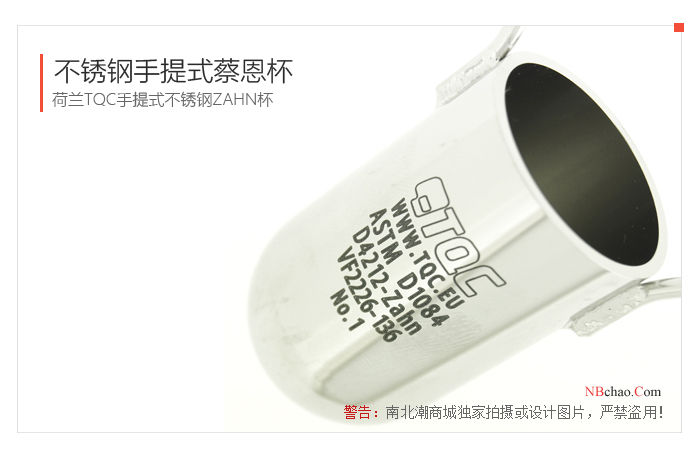


TQC model selection table


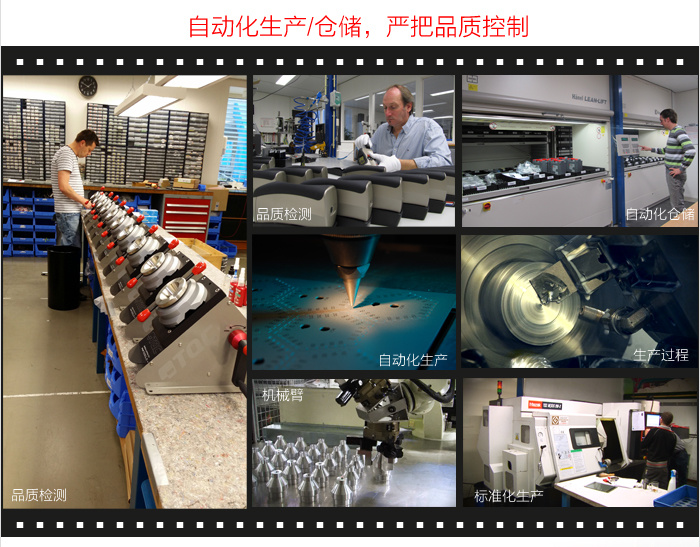
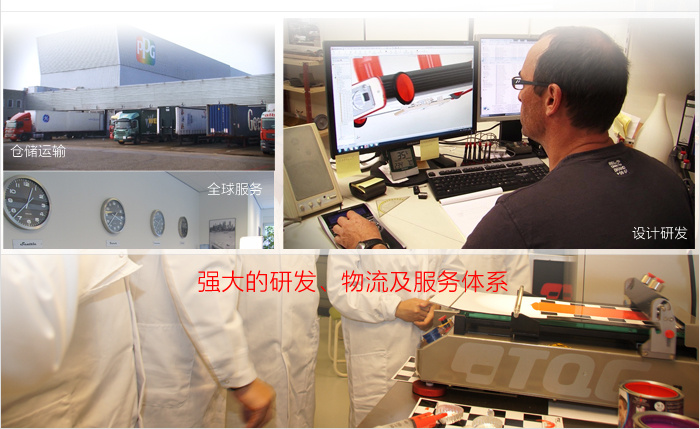
Take you into the Dutch TQC

- 1 《Standard Test Method for Viscosity by Dip-Type Viscosity Cups》
- 2KS A0531-1993《Viscosity of Liquid - Methods of Measurement》
- 3GB/T 13217.4-2020《Test method for viscosity of ink》
- 4ASTM D1084-2021《Standard Test Methods for Viscosity of Adhesives》
- 5JJG 743-2018《Flow Cup Viscometers》
- 6ASTM D4212-2016《Determination of viscosity by immersion viscosity cup》
- 7GB/T 13217.4-2008《Liquid ink viscosity inspection method》