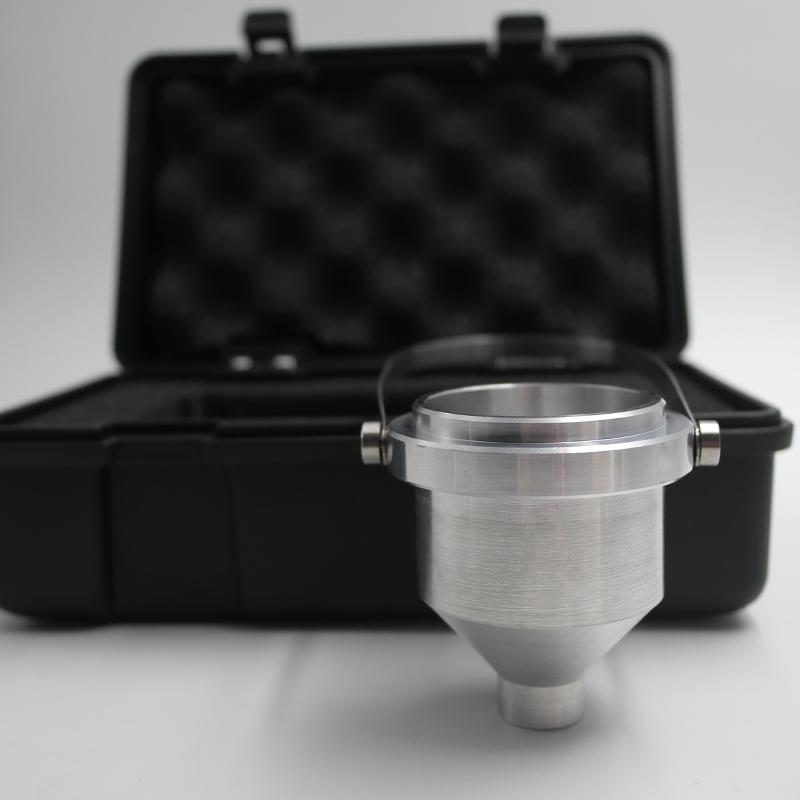
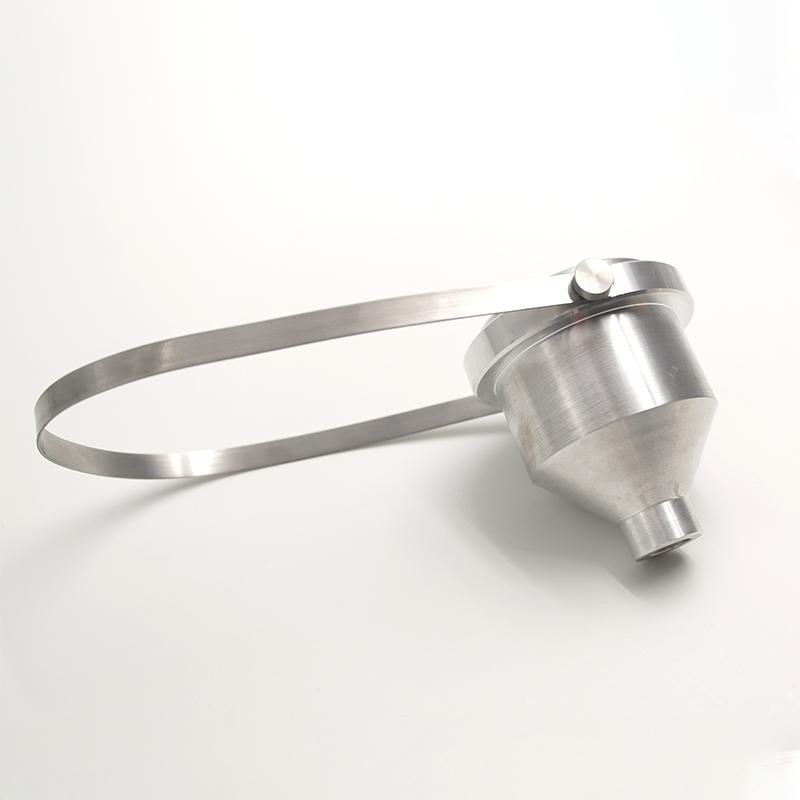
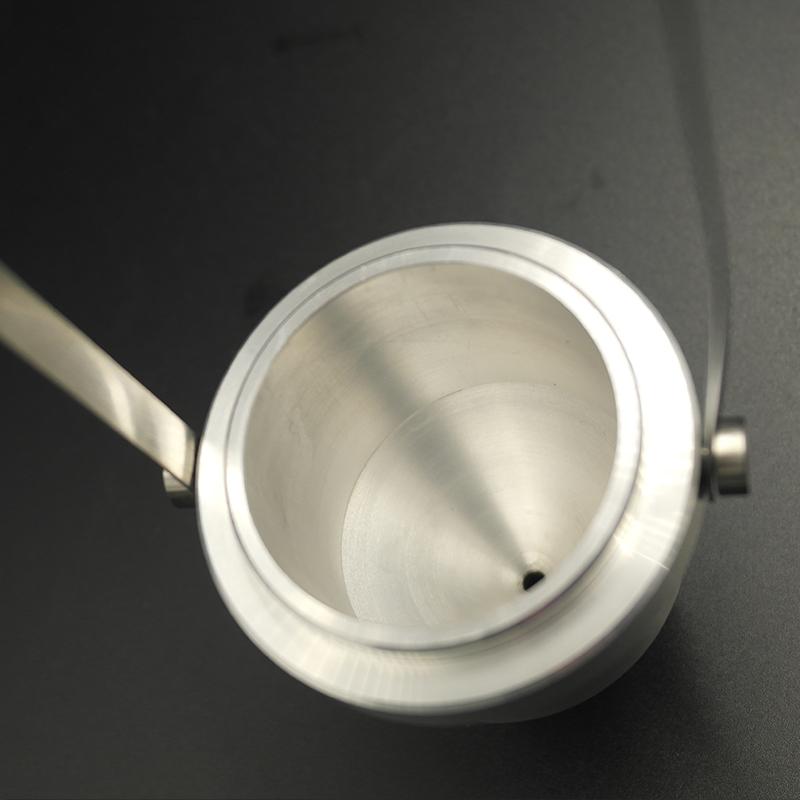
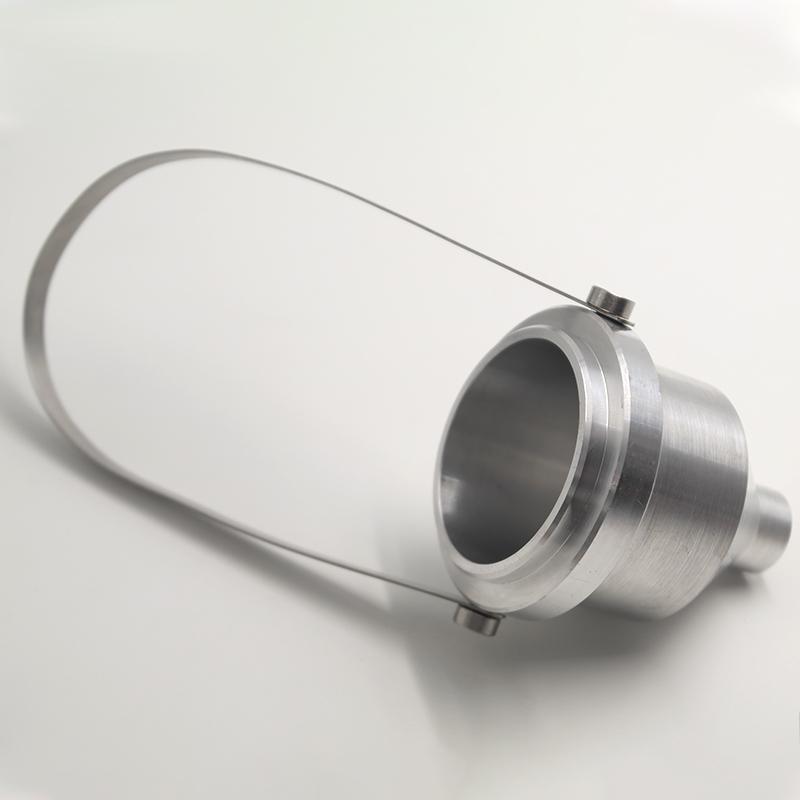
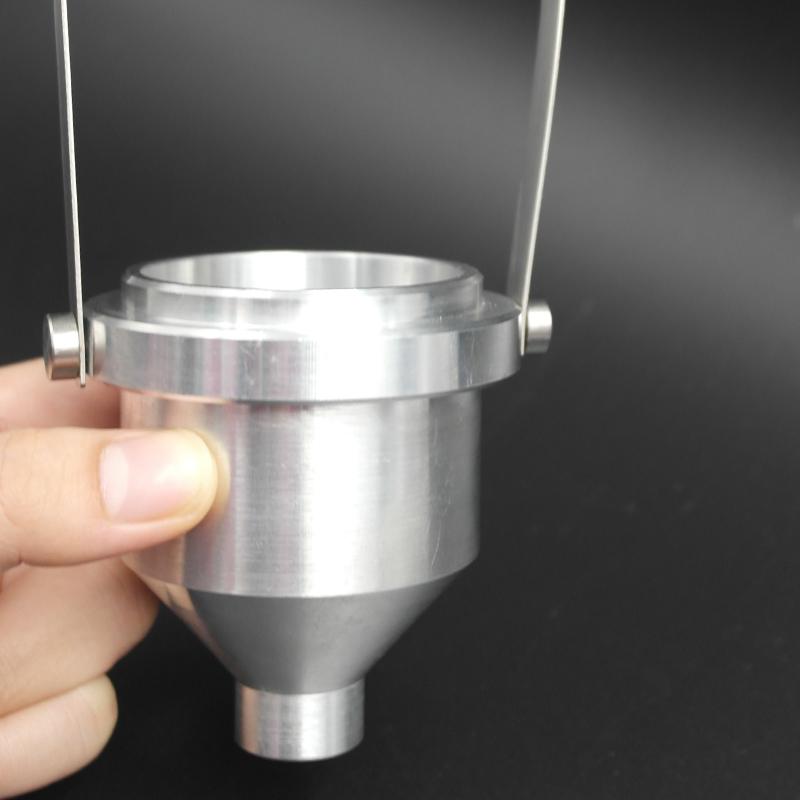

JINGKELIAN QND-4D Portable Viscometer GB1723-79 Standard 4mm caliber for Coatings, paints viscosity measurement
SE QND-4D

-
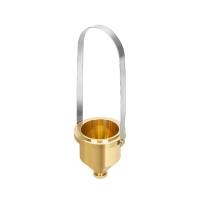 TRUIT TR 1010/2 Portable Coat - 4 cups, Coat 4 Viscometer$ 146.00SE
 -
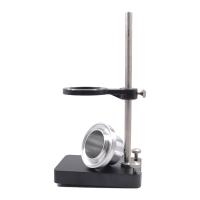 MODERNER T-4 coated 4 Viscosity Cup aluminum alloy material
 -
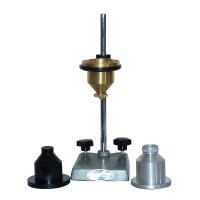 JINGKELIAN QND-4C Viscosity Cup measurement Coatings, paints and other viscosity Measurement range 10-150s viscosity$ 137.00SE
 -
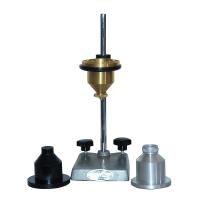 JINGKELIAN QND-4A Viscometer (Bakelite Cup) is suitable for measuring viscosity of Coating products under 150 seconds$ 118.00SE
 -
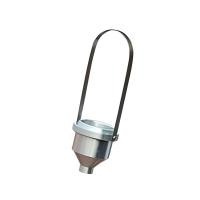 QND-4D Portable coated 4 Viscosity Cup YONGLIDA Portable aluminum coated 4 Viscosity Cup$ 126.00SE





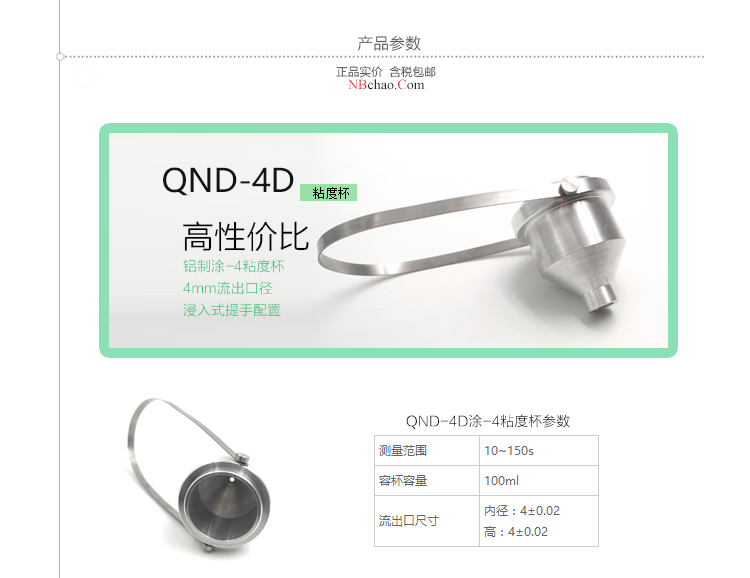
JingKeLian QND-4D 4 ViscoMeters (Portable)SPEC
JingKeLian QND-4D 4 ViscoMeters (Portable)Details
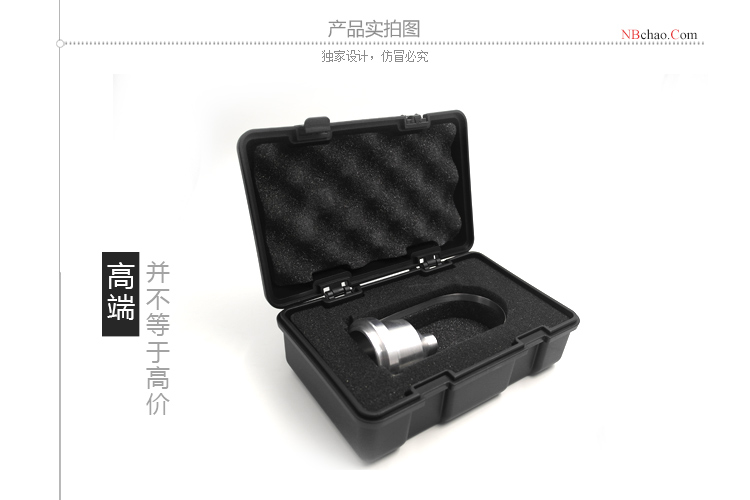
JingKeLian QND-4D 4 ViscoMeters (Portable)Packing list

- SKU
- NB000567
- outflow time
- 10~150s
- Flow hole diameter
- 4mm
- Capacity
- 100ml
- Cup body material
- stainless steel
- Filter material
- stainless steel
- Applicable standard
- GB/T 1723
- Environment temperature
- 25±0.1℃
- Certificate
- without
- Outlet height
- 4±0.02mm
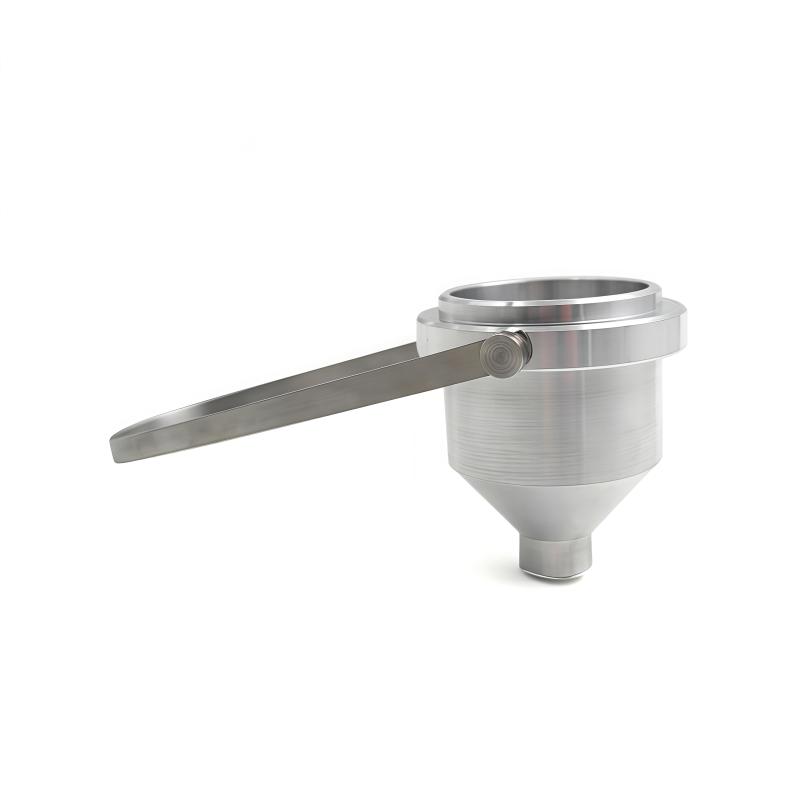
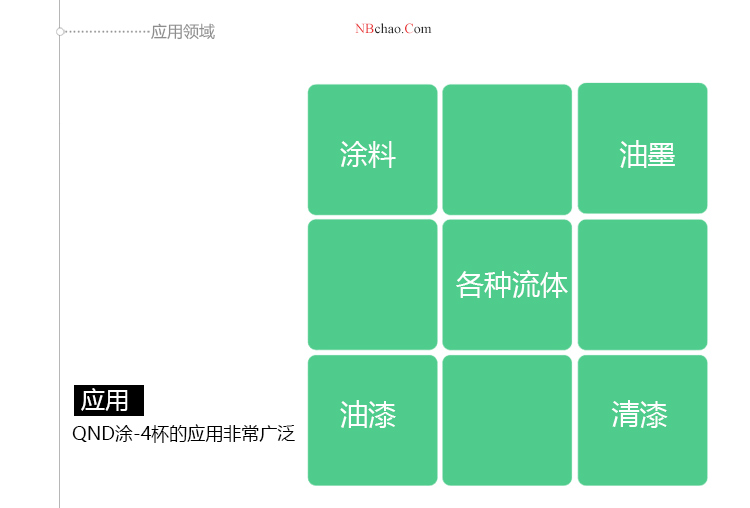
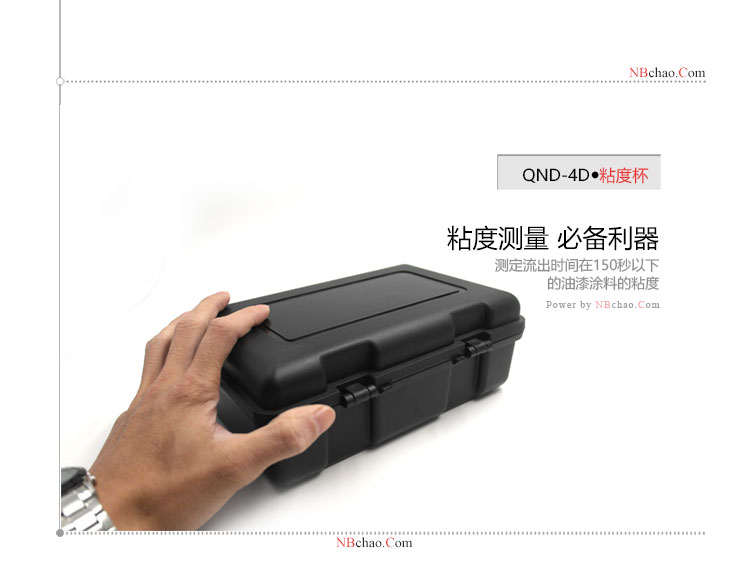
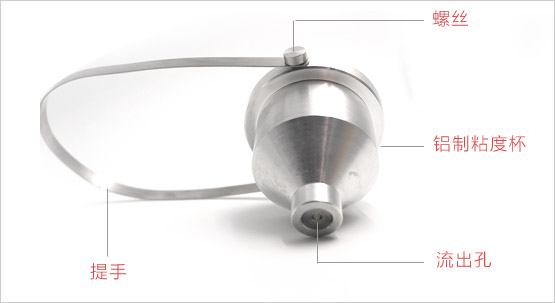
JinKeLian QND-4D Portable Viscometer is a portable Tu 4 Viscosity Cup with a handle, which meets the national standard GB1723 and is designed with stainless steel. QND-4D portable viscometer is suitable for coatings, paints, varnishes, inks and other industries. NBCHAO Mall presents the QND-4D portable viscometer comprehensively in terms of specifications, Details, applications, etc. See the figure below for details:

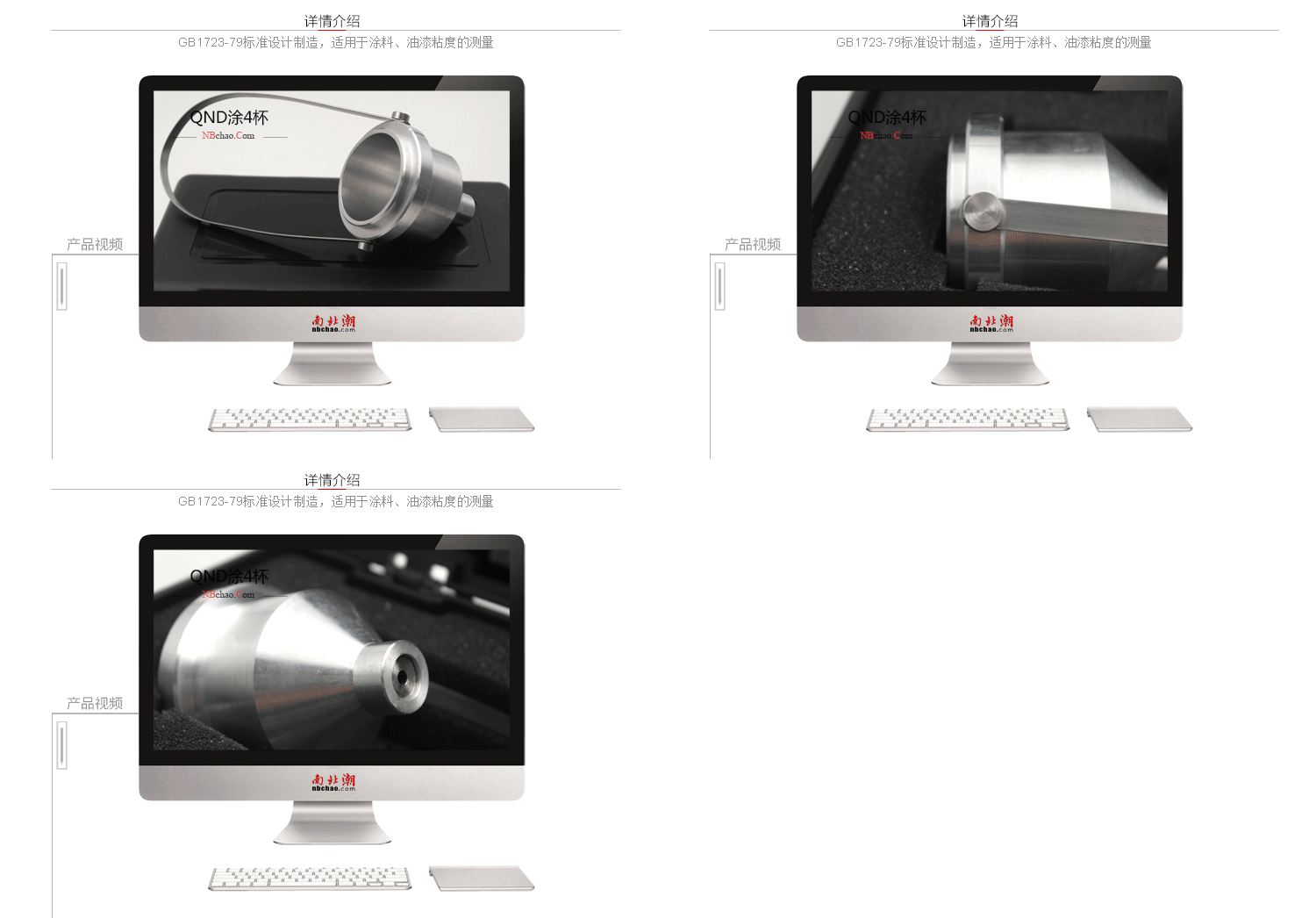

Introduction to QND-4D Portable Viscometer
The QND-4D portable viscometer is a product designed and manufactured according to the QB1723-79 standard. The portable viscometer belongs to the workshop control test instrument. outflow time. (QND-4D portable viscometer hereinafter referred to as viscometer)
Operation method of portable viscometer
1. Before the test, first check whether the connection of the lifting beam is reliable and whether it can rotate freely.
2. Wipe the interior of the Viscosity Cup with gauze or absorbent cotton with the solvent used for the sample, especially the outlet part, and observe it with light until it is wiped clean.
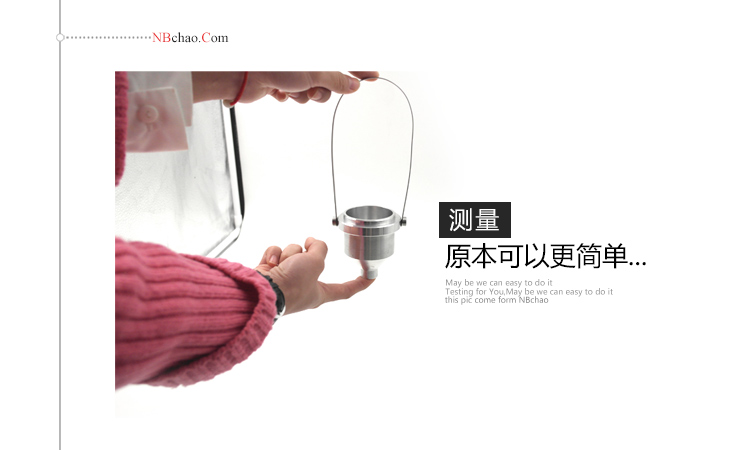
3. Intrude the instrument into the liquid to be tested, lift the lifting beam with one finger and quickly lift the upper plane of the container cup away from the liquid surface, and at the same time start the stopwatch for timing. When the first drop appears in the middle of the sample wire, stop the stopwatch. The time is the full settling time of the measured liquid, that is, the conditional viscosity of the measured liquid.
4. For the conditional viscosity value of the same liquid, the arithmetic mean value should be calculated after three times, but the difference between each measurement should not be greater than 3% of the mean value.
5. After use, the viscometer should be cleaned and wiped clean for storage.
Calibration of Portable Viscometer
Multiplying the viscosity t1 measured by the effective viscometer by the correction coefficient k is the conditional viscosity t measured by the viscometer as shown in the following formula: t=k.tl
There are two ways to obtain the value of k:
1. Quasi-viscosity method: First, prepare more than five kinds of mixed oils of aviation oil and transformer oil with different viscosities, and measure the time of flowing out in the standard viscometer and the effective positive viscometer respectively at 25±0.2°C to obtain A series of time ratios k1, k2, k3, ..... The calculated average value of the two viscometers is the correction coefficient k.
2. Viscosity motion method: when there is a lack of viscous liquid, the t value is calculated according to the following formula:
Tu-1 viscometer: t=0.53n+1.0
Tu-4 viscometer: t]=0.223n+6.0
n is the kinematic viscosity (centistokes) of the mixed oil of aviation oil and transformer oil measured according to GB265-75 "Viscometer Measurement Method" at 25±0.1°C. The self-reported average value of a series of t1 ratios is the kw value. (1 centistoke = 1×10)
- 1GB/T 17001.3-2025《Anti-counterfeiting printing ink—Part 3:Thermochromic anti-counterfeiting printing ink》
- 2 《Standard Test Method for Viscosity by Dip-Type Viscosity Cups》
- 3JB/T 3078-2015《Varnishes used for electrical insulation.Silicone impregnating varnishes》
- 4KS A0531-1993《Viscosity of Liquid - Methods of Measurement》
- 5GB/T 1727-2021《General methods for preparation of coating films》
- 6GB/T 17001.6-2022《Anti-counterfeiting printing ink—Part 6:Infrared excitation fluorescence anti-counterfeiting printing ink》
- 7HG/T 5187-2017《Automobile axle spring anticorrosive primer》
- 8HG/T 3369-2003《Micaceous ironoxide phenolic anticorrosive paint》
- 9HG/T 3349-2003《Various colour phenolic enamel》
- 10CY/T 205-2019《Screen printing - Pigment dispersion paste for textile printing process control requirements and test methods》