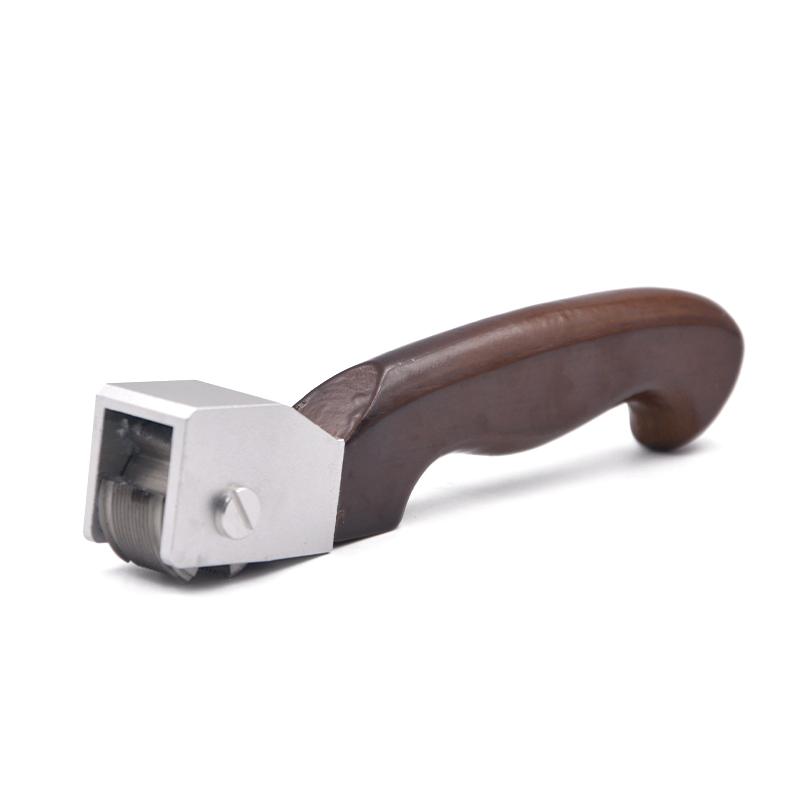
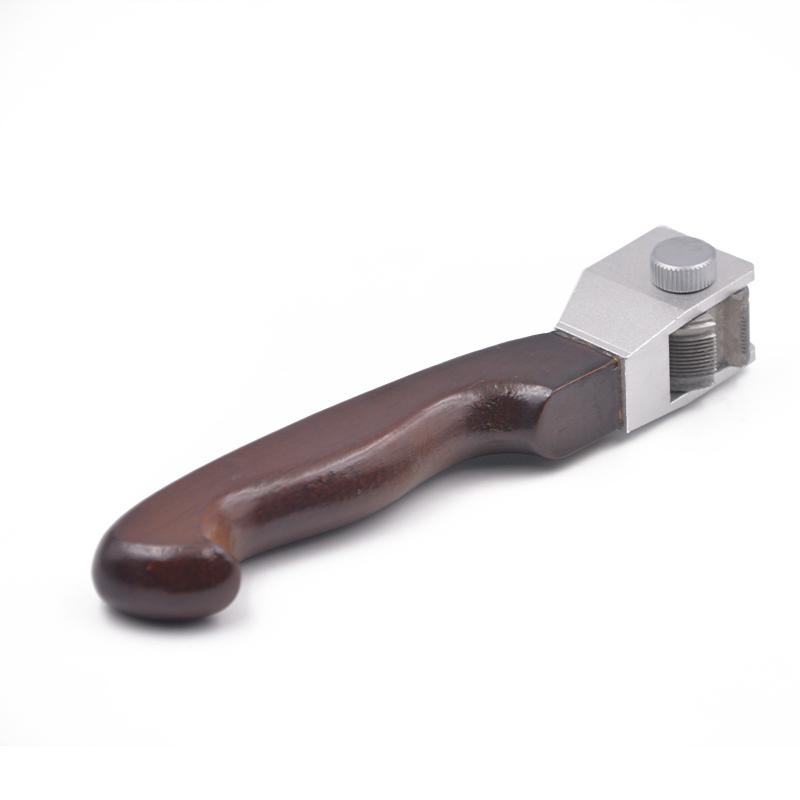
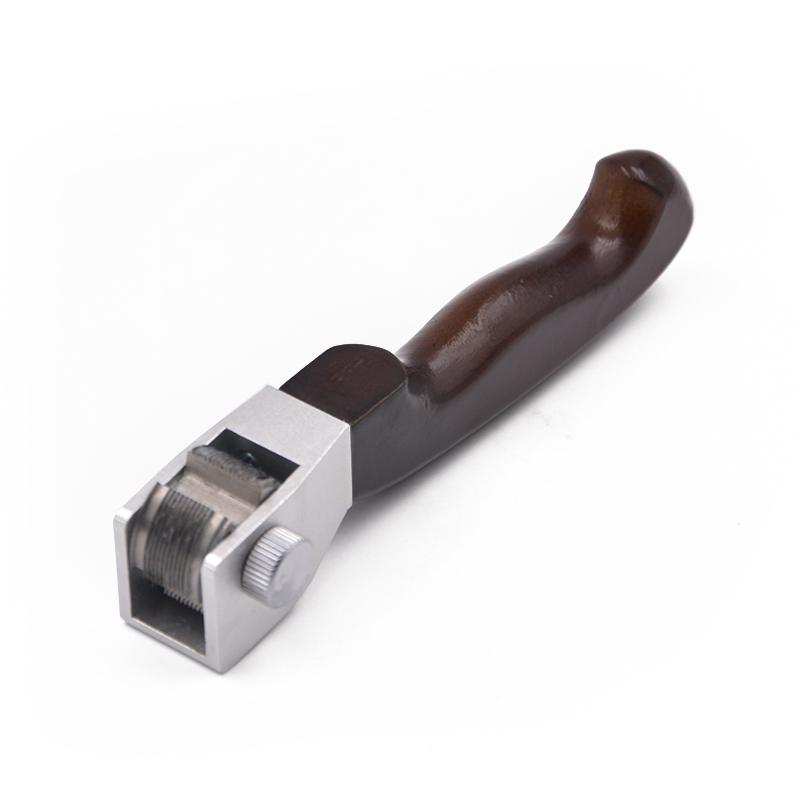
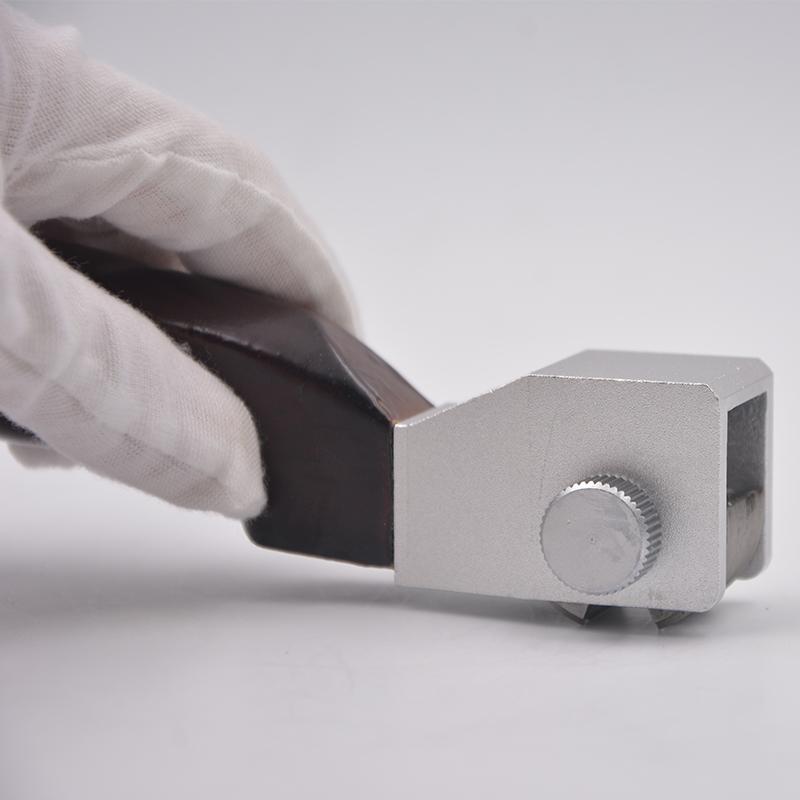

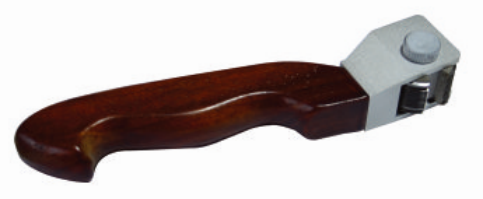
Pushen HGQ 1 * 5 Multi-blade Cross Hatch Cutter Suitable for hard substrates less than 60μm
SE HGQ 1 * 5


Pushen HGQ 1 * 5 Cross Hatch CutterSPEC
Pushen HGQ 1 * 5 Cross Hatch CutterDetails
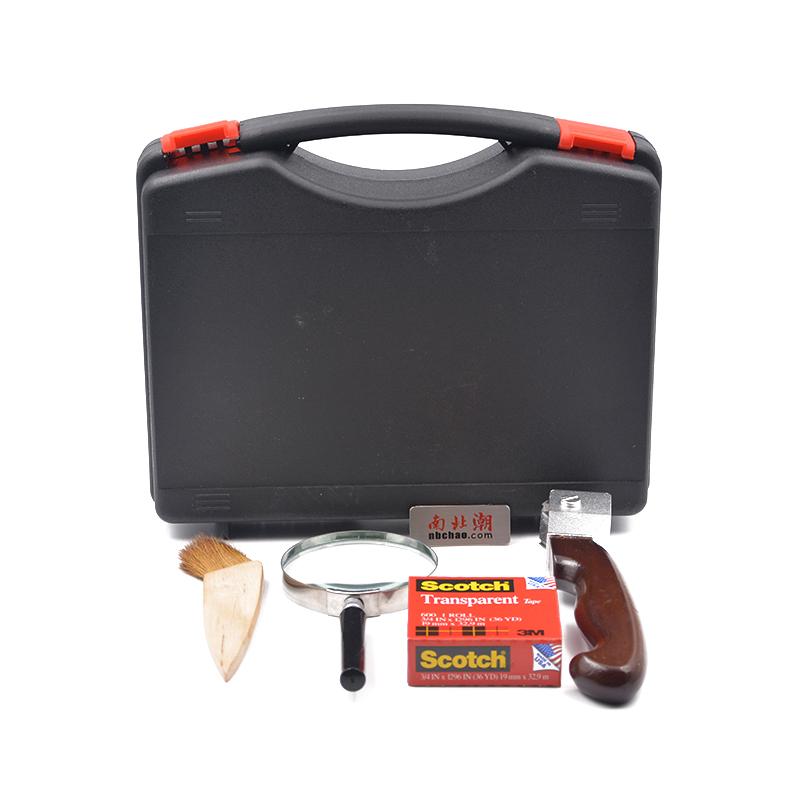
Pushen HGQ 1 * 5 Cross Hatch CutterPacking list

- SKU
- NB000652
- Number of teeth
- 6 teeth
- Tooth spacing
- 1mm
- application standard
- ISO 2409、ASTM D 3359
- Applicable film thickness environment
- 0 to 60 µm (solid substrate)
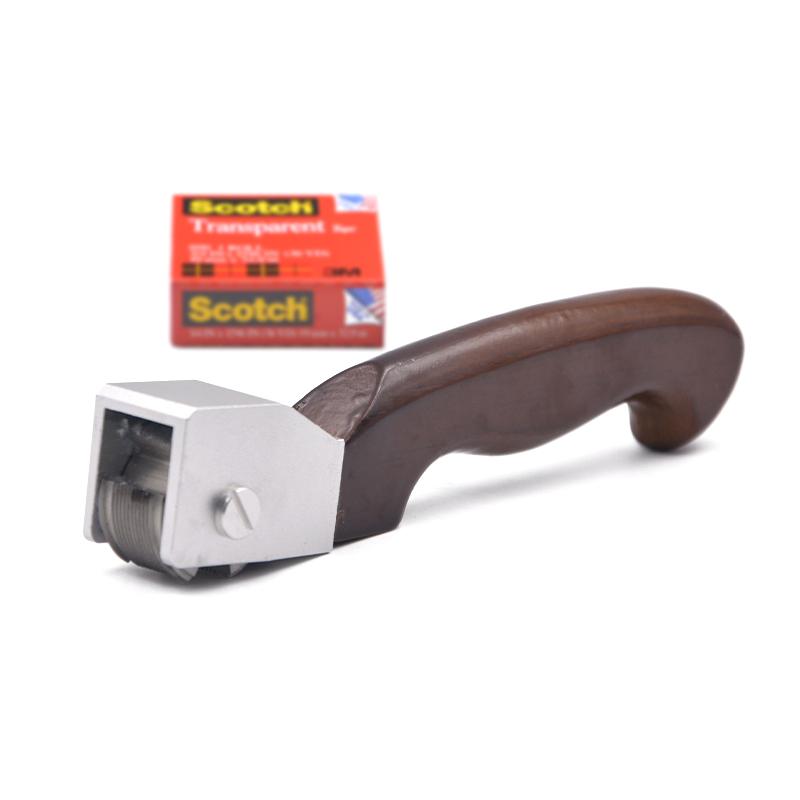
The main parameters
Model: 1mm*25 grid (tooth spacing 1mm, number of teeth 6)
Application: hard substrate test piece less than 60μm
Packing: 1 cross grid, 1 roll of 3M adhesive tape, 1 brush, 1 magnifying glass, 1 packing box
application principle
The cross-cutting device, also known as the hundred grid knife, is used to evenly draw a square of a certain size, and evaluate the adhesion of the coating film to the substrate by evaluating the integrity of the coating film in the square.
Applications
The cross-hatching device is used for the determination of the adhesion of the coating cross-hatch method, not only for the laboratory, but also for the construction site under various conditions.
The cross-hatcher complies with the relevant standards of ISO 2409 and ASTM D 3359, and is also applicable to GB/T 9286 "Cross-cut Determination of Paint and Varnish Films"
Relevant test standard requirements
The cross-hatch with 1mm spacing is suitable for hard substrate test pieces with paint film thickness less than 60μm.
The 1.5mm-spaced cross-hatch is suitable for hard substrate test pieces with a paint film thickness of 30 to 90 μm.
The cross-hatch with 2mm spacing is suitable for hard substrate test pieces with a paint film thickness of 60 to 120 μm.
The cross-hatch with 3mm spacing is suitable for hard substrate test pieces with paint film thickness greater than 120μm.
model information
Multi-bladed crosshatcher:
HGQ 1mm*25 grid (tooth spacing 1mm, number of teeth 6)
HGQ 1mm*100 grid (tooth spacing 1mm, number of teeth 11)
HGQ 2mm*25 grid (tooth spacing 2mm, number of teeth 6)
HGQ 2mm*100 grid (tooth spacing 2mm, 11 teeth)
HGQ 3mm*25 grid (tooth spacing 3mm, number of teeth 6)
- 1JJF 2163-2024《Calibration Specification for Paint Film Scribers》
- 2SJ 20910A-2018《General specification for powder spraying coating》
- 3SY/T 4106-2016《Specification of solvent - free polyurethane coatings for steel pipelines and tanks》
- 4 002-2017《Water based polyurethane coatings》
- 5GB 10810.4-2012《Uncut finished spectacle lenses - Part 4: Specifications and test methods for anti-reflective coatings》
- 6GB/T 13217.7-2023《Test method for adhesion to substrate of ink with tape》
- 7GB/T 4893.4-2023《Test of surface coating of furniture—Part 4:Determination of adhesion by cross-cut》
- 8GB/T 42541-2023《Coated steel pipes for gas piping》
- 9GB/T 13448-2019《Test methods for prepainted steel sheet and strip》
- 10HG/T 2006-2006《Thermosetting powder coatings》