Ink pH meter
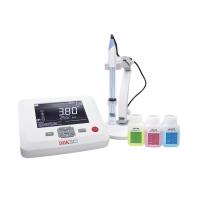
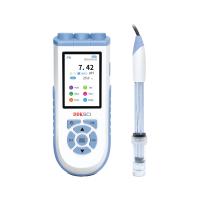
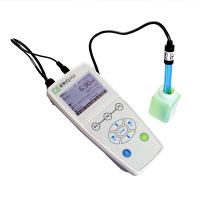
An ink pH meter is an instrument for the measurement of alkaline in inks (coatings, paints, etc.). It uses a pH electrode to convert the pH value into a voltage signal, which determines the pH value of the ink. This helps to ensure the mass stability of the ink, thus guaranteeing the accuracy and conformity of the printing and coating process.
Ink pH meter Testing instrument
-
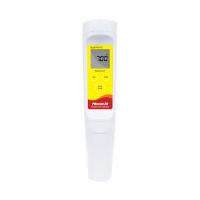 $ 146.00
 -
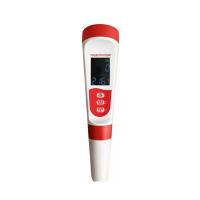 $ 121.00
 -
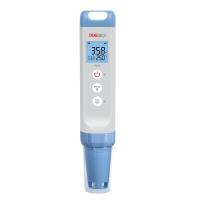 $ 180.00
 -
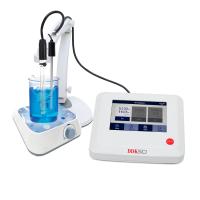 $ 619.00
 -
 $ 309.00
 -
 $ 466.00
 -
 $ 695.00
 -
 $ 561.00
 -
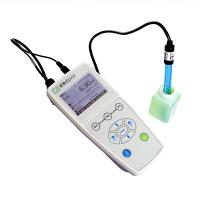 $ 561.00
 -
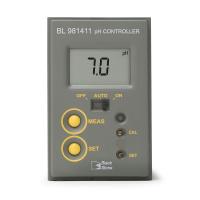 $ 466.00
 -
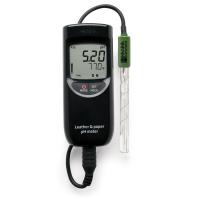 $ 997.00
 -
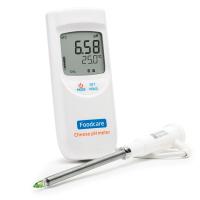 $ 945.00
 -
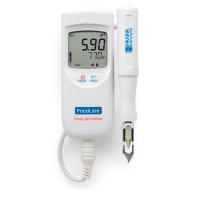 $ 1016.00
 -
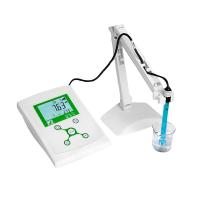 $ 389.00
 -
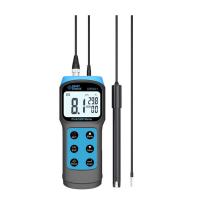 $ 165.00
Ink pH Meter is widely used in the printing and ink manufacturing industry for the measurement of ink acid alkalinity, selection points include electrode materials to adapt to different ink types, corrosion resistance, high-precision, Stability, Automatic calibration function and appropriate ink Flow rate control to ensure printing mass.
Ink pH meter Application Articles
Maintenance and Maintenance of Industrial pH Meter electrode FAQ
This paper introduces the FAQ and maintenance methods of industrial pH Meter Glass electrode in terms of temperature, acid alkalinity, etc., as well as regular correction, activation and other maintenance points to ensure accurate measurement and prolong life.
Detailed Guide to Proper Use of pH Meters
pH Meter is used for measurement of solution alkalinity and electrode potential difference. When using it, you need to understand its structure principle, standardize the preparation of standard buffer solution, correctly calibrate and measure, and do daily maintenance to ensure accurate measurement.
Discussion on Error Correction Method of Electrode and pH Meter
Use and maintenance of pH meters
This paper comprehensively introduces the pH meter, covering its composition and working principle, and elaborates the whole process from activation, standard buffer preparation, calibrating to electrode maintenance to ensure the efficient and stable operation of the pH meter.
How much do you know about the use and maintenance of pH meters?
The pH meter is an instrument used for the measurement of the alkalinity of acid in a solution. The pH value is determined by the measurement of the concentration of hydrogen ions in the solution. Daily use and maintenance includes the maintenance of Glass electrodes, reference electrodes and salt bridges and Miscellaneous electronic components, as well as the calibration of pH meters.
Principle and Application of Standard pH Meter
PH value is an important indicator to measure the alkalinity of solution acid, which is crucial for many industries such as chemical industry, environmental protection, food, medicine, etc.
Basic principle and application analysis of anti-fluorine pH meter
In the monitoring of fluorine-containing water, a specially designed anti-fluorine pH meter is required. This paper will deeply explore the principle and application scenarios of the anti-fluorine pH meter, so that readers can better understand and apply this important instrument.
Proper use and maintenance of pH meters
A pH meter is an instrument for the measurement of acid alkalinity in a solution. It consists of a reference electrode, a Glass electrode, and an galvanometer. It determines the pH value by measuring the concentration of hydrogen ions in a solution and is usually used for accurate acid alkalinity measurement.
Understanding and Addressing Common Challenges in the Use of pH Meters
In the use of pH Meters, accuracy and Reliability are often affected by misunderstandings about temperature compensation, slope interpretation, electrode storage, and calibrating.
How to use pH meter
This article is a general method of using the pH Meter. The specific steps may vary by pH Meter model and manufacturer, so it is recommended to read the relevant instrument instructions for accurate operation steps and precautions before use
Differences between three STIP-scans: pH Meter, Conductivity Meter, and Dissolved Oxygen Meter
pH Meter, Conductivity Meter and Dissolved Oxygen Meter are instruments for the measurement of different water quality parameters, and they have obvious differences in Measured objects, working principles and application fields.
PH meter conversion of mv and ph value
The conversion between pH value and mV is non-linear and depends on the specific model of the pH Meter and calibrated Linear dispersion. Typically, the pH Meter converts the measured potential value (mV) to the corresponding pH value based on the specific electrode Response and calibrated Linear dispersion.
PH meter and reading rules for universal ph indicator paper
For pH Meter and pH test paper, this article details some common reading rules, whether using pH Meter or pH test paper, you need to follow the instructions for use and ensure accurate operation.
PH meter composite electrode type
pH Meter composite electrode is a common electrode for the measurement of ph value, composed of different materials.
Conductivity Detector PH Meter maintenance project
Items for maintaining a Conductivity detector pH Meter typically include regularly calibrating, cleaning electrodes, checking electrode status, maintaining electrode storage fluids, avoiding drying, storage, and transportation.
Ink pH meter Relevant standards
ActiveJJG 919-2023
Verificating Meters for pH Meters
ActiveJB/T 6858-2018
Test method of pH meters and Ion Meters
ActiveJB/T 6203-2017
Industry pH meters
ActiveHB 5351.5-2004
Test method for properties of investment casting slurry-Part 5:The pH-meter method for the determination of acidity
ActiveGB/T 1545-2008
Paper, board and pulp - Determination of acidity or alkalinity
GB/T 1545-2008 "Paper, Cardboard and Paper Pulp Water Extraction Determination of acidity or alkalinity" specifies two methods of paper, Cardboard and paper pulp water extraction solution acidity or alkalinity: Titrimetric method and pH Meter method.
ActiveGB/T 11165-2005
Laboratory pH meter
Laboratory pH meter GB/T 11165-2005 This standard specifies the product classification, requirements, test methods, inspection rules and labels, Encasement, transportation, storage, etc. of laboratory pH meters. This standard applies to laboratory pH meters with PH Glass electrodes as hydrogen ion Sensors.
ActiveJB/T 6858-1993
Test methods for pH Meters and Ion Meters
ActiveHG/T 3851-2006
Determination of pigment hiding power
HGT 3851-2006 "Determination of pigment hiding power" This method refers to the minimum amount of pigment used in the pigment and toner to grind the ink paste evenly on the Checkerboard Glass plate, so that the Checkerboard is just covered, expressed in g/mt.
AbolishGB/T 1709-1979
Determination of pigment hiding power
Standard GBT 1709-1979 "pigment hiding power measurement method" refers to the pigment and toner ground into color paste, evenly painted on the Checkerboard Glass plate, so that the Checkerboard is just covered with the minimum amount of pigment.
Ink pH meter Instrument terminology
- What is a pen pH meter?
- What is a Laboratory pH Meter?
- What is an industrial pH meter?
- What is a Desktop pH Meter?
- What is an industrial pH meter?
- What is an experimental pH meter?
- What is the working principle and operation method of pH meter?
- What is a pH tester?
- What is a portable pH meter?
- What is an acid-base meter?
Ink pH meter Testing FAQ
- What is the difference between a ph potentiometer and a PH Meter?
- What are the types of pH meters?
- Why does the pH meter measure that the pH value is negative?
- What is the difference between a potentiometer pH meter?
- How to adjust the slope of the PH Meter?
- What is the difference between a PH Meter and a universal ph indicator paper reading?
- What is the difference between a ph ion meter and a PH Meter?
- How to solve the inaccurate pH of the water tested by the pH meter?
- What is the principle of compound pH meter?
- What is the principle of online PH Meter?